
SUNLED Lighting: Your Premier Indoor Lamps Manufacturer!
Shenzhen SUNLED Lighting Co., Ltd. was established in November 2012. It is an enterprise integrating R&D, production and trade. It mainly produces LED lighting products.
Highly Efficient Production
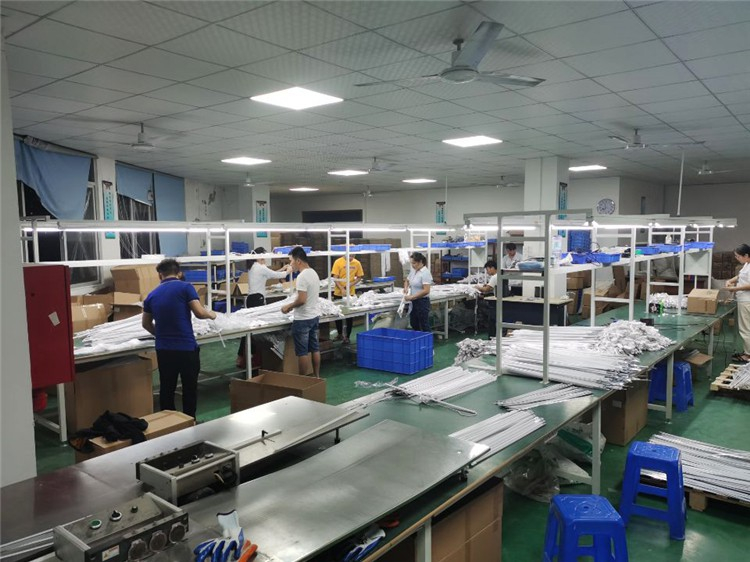
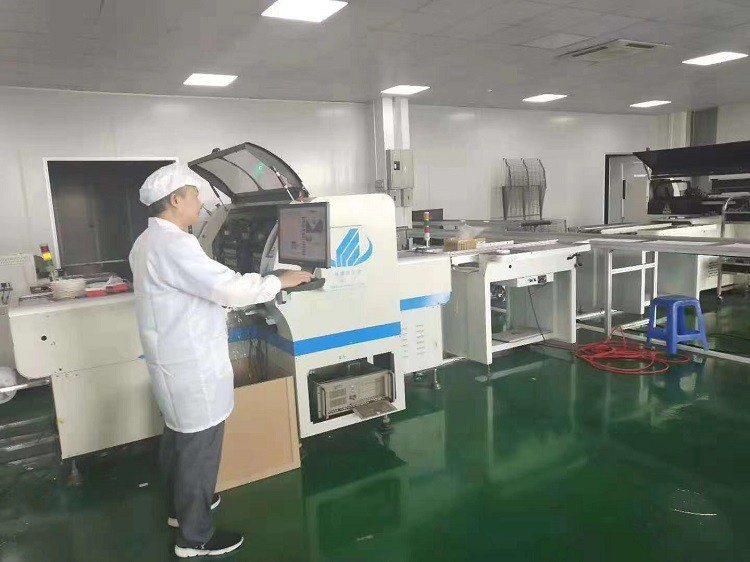
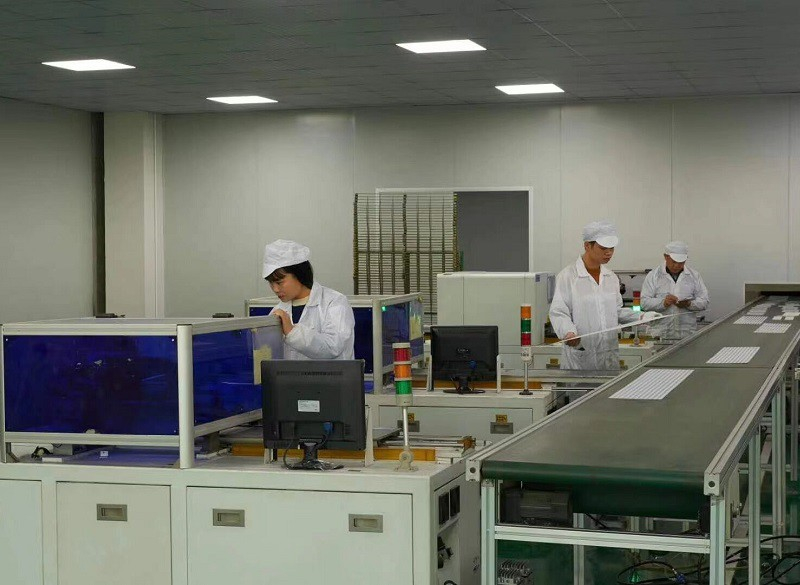
We have independent factories for product production. The company's production department has 30-50 employees, and has 4 complete production lines, 4 placement machines and a complete set of LED testing equipment. The daily output of LED products reaches 20,000 pieces.
Strong R&D Capabilities
We have a R&D team composed of several senior engineers in the LED industry, focusing on the improvement of existing products and the development of new LED products. We can not only provide customers with solutions but also customize LED products according to requirements.
High Quality Guarantee
In terms of raw materials, we mainly use chips imported from Taiwan, and the quality of every product we produce meets customer requirements. Our products are produced under a strict quality control system, the defective rate will be less than 0.2%, and the products are provided with a 2-5 year warranty.
Fast Delivery
It only takes 3-5 days for us to produce samples, and only 1-2 weeks for mass production. We can quickly package and send the finished products to you. We have cooperated with international logistics companies such as DHL, UPS, FedEx and TNT, and can deliver products to all parts of the world on time.
-
![18W Round LED panel light]() 18W Round LED panel light12V 18W Round LED panel lightview more
18W Round LED panel light12V 18W Round LED panel lightview more
Voltage:DC12V/24V
Power:18W
led type:smd2835
Diameter:225MM
color:ww/cw/w
thickness:16MM -
![36W LED Panel Light]() 36W LED Panel LightVoltage: AC230V Built-in driverview more
36W LED Panel LightVoltage: AC230V Built-in driverview more
Power: 36W
LED CHIP: Smd2835
Size: 595mm*595*18mm
Working Temperature(℃): -25-45℃ -
![RGB Cabinet Lights]()
-
![LED Closet Light]()
-
![Motion Sensor LED Kitchen Light]() Motion Sensor LED Kitchen LightHuman body sensor lightview more
Motion Sensor LED Kitchen LightHuman body sensor lightview more
Battery Capacity:3.7V1500mAh
Sensing Distance:3-5 meters -
![LED RGB Cabinet Light]() LED RGB Cabinet LightLED RGB cabinet lightview more
LED RGB Cabinet LightLED RGB cabinet lightview more
led chip:smd5050
SIZE:68*8MM
Voltage:DC12V
Power:2W -
![LED Human Body Sensor Light]() LED Human Body Sensor LightCharging Voltage: DC5Vview more
LED Human Body Sensor LightCharging Voltage: DC5Vview more
Charging current: 0.5A
Battery capacity: 3.7V1500mah
Sensing distance: 3-5meters
Working Temperature(℃): -25-45℃ -
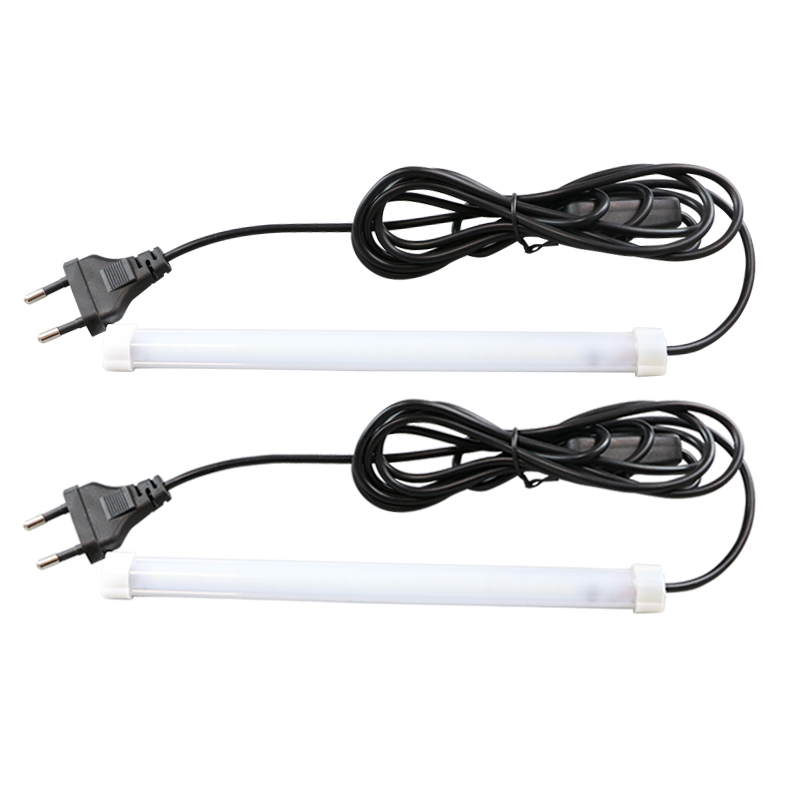
![220V LED Cabinet Light]() 220V LED Cabinet LightWire length: 2mview more
220V LED Cabinet LightWire length: 2mview more
Leds qty: 12leds
Size: 69*69*13mm
Voltage: AC220V
Working Temperature(℃): -25-45℃ -
![24V LED Purification Light]() 24V LED Purification Light24V LED purification lightview more
24V LED Purification Light24V LED purification lightview more
Power:10W/M
LED chip:2835P
Voltage :DC12V -
![75W Led Purification Lamp]() 75W Led Purification Lamp75W Led purification lampview more
75W Led Purification Lamp75W Led purification lampview more
led chip:smd2835
Length:1.2m
Voltage:220V
Power:75W -
![100W Led Purification Fixture]() 100W Led Purification Fixture100W led purification fixtureview more
100W Led Purification Fixture100W led purification fixtureview more
led chip:smd2835
Length:1.2m
Voltage:220V
Power:100W -
![GU10 LED Spotlight]()


What is LED Indoor Lamp?
An LED lamp or LED light is an electric light that produces light using light-emitting diodes (LEDs). LED lamps are significantly more energy-efficient than equivalent incandescent lamps and fluorescent lamps. The most efficient commercially available LED lamps have efficiencies exceeding 200 lumens per watt (lm/W) and convert more than half the input power into light. Commercial LED lamps have a lifespan several times longer than both incandescent and fluorescent lamps.
LED lamps require an electronic LED circuit to operate from mains power lines, and losses from this circuit means that the efficiency of the lamp is lower than the efficiency of the LED chips it uses. The driver circuit may require special features to be compatible with lamp dimmers intended for use on incandescent lamps. Generally the current waveform contains some amount of distortion, depending on the luminaires' technology.
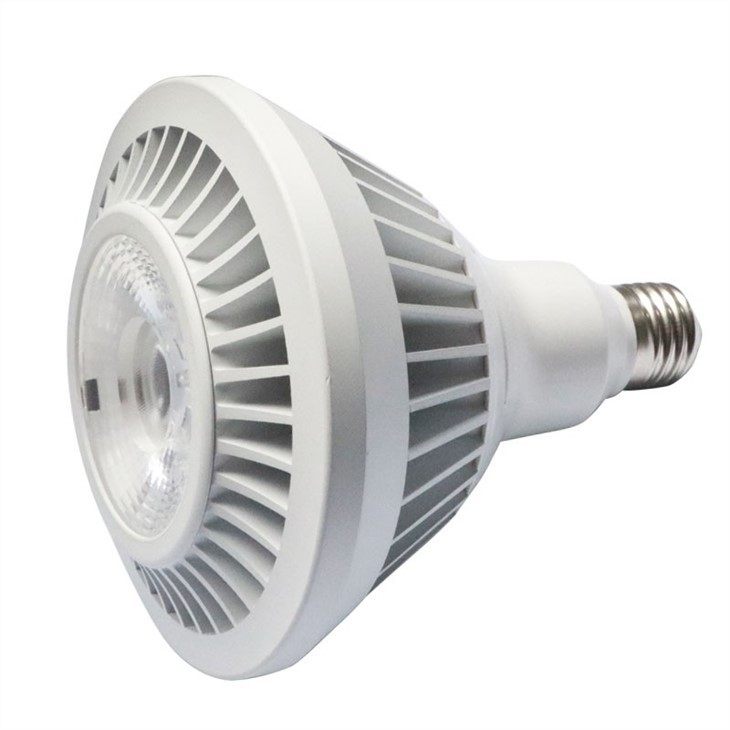
Different Types of LED Indoor Lamps
LED Bulb
LED light bulbs use light-emitting diodes to produce light that is brighter than conventional lighting products like CFL or incandescent light bulbs. They are energy efficient, long-lasting, and durable while emitting minimal heat. Their compact size means that they can fit anywhere, making them versatile enough to be used for residential, commercial, and industrial purposes.
LED Battens
LED Battens are the best alternatives to conventional CFL tubes. They provide bright and uniform light great to light up kitchens, store rooms, and other utility rooms at home or office space. LED Battens are stylishly compact and can be easily fitted into the ceilings. Because LED batten lights emit less heat, they require comparatively less maintenance.
LED Ceiling Lights
LED ceiling lights make your room look brighter while serving multiple purposes. Depending on your room size and decor, you can go for modern and energy-efficient LED ceiling lights to light all the corners of your room.
Dimmable LED Lights
Dimmable LED lights are a relatively common option that gives the user the ability to control the brightness of the light with a compatible dimmer switch. Some dimmable LED lights require a physical dimmer switch to function, though many are capable of being controlled through a smart home system or a mobile app.
Can LED Lights
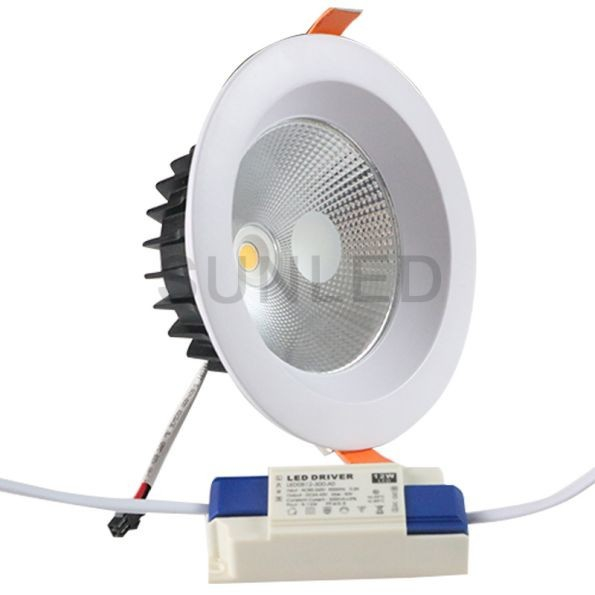
Can LED lights are specifically designed to fit into recessed lighting sockets, which are commonly referred to as cans. These LEDs have built-in reflectors to help direct the light down and out of the bulb for longer beams and wider coverage. Can LED lights are available with a range of different features, so you can find dimmable can LEDs, RGB (red, green, blue) can LEDs that change color, and even smart home compatible can LEDs.
Full-Spectrum LED Lights
Commonly referred to as RGB lights, full-spectrum LED lights are capable of producing a broad range of color temperatures and colored light. Typically, these lights will come with a basic remote control or the ability to connect to a mobile device through an app. Using the remote or the app, you can change the color of the lights to one of thousands of different options.
Track LED Lights
Intended for direction lighting, work area task lighting, and spotlighting decorative features of the home, track LED lights need to be installed on compatible lighting tracks. The LED lights can be moved along the track and the direction of the light can be adjusted to focus the beam towards a specific area or object.
Smart LED Lights
Smart LED lights are capable of integrating with existing smart home systems, allowing users to control the lights with voice commands or through a mobile app. These lights can also come with color change, color temperature control, and dimming functions, making it possible to completely customize your home lighting to suit your needs.
Basic Components of an LED Indoor Lamp
LED Chips
There are different types of LED Chips. The types are called by their shape or size. For example, 2830, 3030, and 5050 are some types. 3030 means the width and length of the chip would be 3 mm X 3 mm and so on.
Heat Sink
All light sources produce heat. Older bulbs radiated heat into their immediate environment, making the bulb hot to the touch. In LED bulbs, a heat sink conducts the heat away from the light emitting diodes to keep the entire unit cool. The heat sink is composed of a piece of metal the LED chip sits on that provides a path for heat to leave the light source.
PCB for LEDs
The LED Printed Circuit Board is placed where the LED chips are mounted in a particular series and parallel to attain the required Voltage and current. Each type of LED has a particular voltage. The driver and the PCB design have to be matched to work at the optimum level.
LED Driver
The Power Supply or the LED Driver is the heart of the LED lighting fixture. The like of the product mainly depends on the quality and suitability of the LED Driver. The core part of any driver depends on the Integrated Chip or the IC and its dependent components. There are few IC manufacturers which are used in the industry including Fair Child, BP Semi, etc
Housing
Housing also plays a key role in the overall quality of the product. Especially if the product is outdoor, like a street light or flood light, or garden light, its role is more. All the LEDs generate heat. The heat has to be dissipated as quickly as possible. That is the reason the majority of the quality manufacturers use aluminum or aluminum alloy in their manufacturing like ADC 12 grade.
Base
The base of a light bulb is the part that screws into a fixture or socket. Because LEDs are designed as direct replacements for existing light bulbs, they are available in a wide selection of base types, including all those you recognize from more traditional bulbs.
Lens/Optics
Due to the brightness of LEDs, a covering component is added to evenly distribute the light. This cover is called a lens on single-direction lamps and optics on omnidirectional lamps. These components are typically made of shatter-resistant plastic and help give LEDs the familiar look and feel of more traditional bulbs.
In its simplest form, an LED -- or Light Emitting Diode -- is a type of semiconductor that has two terminals and manages the direction light will go. When an electrical current runs through the semiconductor (aka diode), it makes light. To make the light magic happen, the LED uses a process called p-n junctions. One side of the diode fills with semiconductive substances that have a negative charge, while the other side fills with semiconductive substances. However, this time they have a positive charge. What is keeping these two sides apart is what we call the p-n junction. Additionally, the p-n junction is what keeps the electrical current flowing in only the direction you need it to.
When an electrical current passes through the diode, the material emits electrons on the n-type side. Those electrons get moving, and travel over to the p-type side and literally "fills in" electron holes that are in the positive atoms there. When this filling in happens, those electrons lose some energy, which releases in the form of a photon of light. The size of the photo expels is a factor of how much energy releases. Depending on the frequency of photon you get will regulate what color light you see, or if the light is visible by humans.
Benefits of LED Indoor Lamps
Energy-Efficiency
LED bulbs are far more energy efficient when compared to the traditional alternatives with energy savings of 80-90% over incandescent or halogen technologies and up to 50% in comparison to fluorescent lamps.
Longer Lifespan
LEDs last 2 or 3 times longer than fluorescent bulbs and over 50 times longer than incandescent lamps. The typical lifespan of an LED is up to 50,000 hours, further slashing replacement and maintenance costs.
Instant Light
Many fluorescent lights can take a while to ‘warm-up’ and reach their full brightness, however LEDs light up immediately.
Eco-Friendly
LED technology has the potential to dramatically reduce carbon emissions as around 20% of the world’s electricity is used on lighting, so finding a more energy efficient solution will reduce this. Additionally, as LEDs don’t contain mercury, disposal of the bulbs is much easier and cleaner.
Lower Heat Output
Unlike filament bulbs, an LED lamp does not project infrared heat in its beam, making them more suitable for lighting heat-sensitive items like artworks or food. As LEDs emit less heat they are also ‘safer’ than traditional bulbs, reducing the risk of fire caused by high temperature bulbs.
Added Durability
LEDs are a solid state form of lighting, meaning they are able to withstand lower temperatures and higher levels of vibration and shock in comparison to incandescent or fluorescent lamps.
Great Uses of LED Indoor Lamps
Home LED Applications
There are plenty of Home LED Applications that can be done by any do it yourselfer. From under cabinet LED Lighting using our LED Strip Lights or LED Modules to Indoor and Outdoor incandescent replacements, LED Lighting conversions for your home are not only easy to do but will also save you energy and replacement costs as LED Lights are earth friendly, low energy, and long lasting.
Business LED Applications
Our RGB LED Strip Lights, Modules, Bulbs, and Wall Washers are perfect for any bar, club, night spot, window display, signage, specials rack, building accent, or any place needing an eye catching color changing light. Our Single-color LED Strip Lights, Modules, Bulbs, and Wall Washers are perfect for interior and exterior task lighting, and ambient accent lighting.
Signage and Exhibit LED Applications
Retrofitting your existing neon or fluorescent lit signage or exhibit to LED Lights is an easy way to save money on energy and repair costs. With most of our LED lights lasting up to 50,000 hours your LEDs will need little maintenance and will take far less power to leave running than fluorescent or neon. Also thanks to RGB color changing lights and sophisticated control systems you can make your LED Sign or exhibit do anything you can imagine.
Special Event LED Applications
Special Event LED Lighting applications are perfect for party planners, event planners, caterers, DJs, audio/visual specialists, or any other type of special event planner or designer. Whether you want to jazz up your party or event with color changing RGB LED Lights or just add accent or single color ambient lighting, our product is perfect for your event.
Marine LED Applications
LED lights have a wide variety of applications in the boating and marine world. Due to the fact that most marine vessels run on either 12VDC, 24VDC and also high AC voltage, LED lights provide an ultra bright and low energy solution for Marine lighting Applications. Retrofit your existing halogen fixtures to see the power saving benefits of LED Lights.
Automobile LED Applications
The Use of LEDs in the automotive industry is growing. With LEDs, energy is saved and there is clearer visibility. These are extensively used in the back and rear of an automobile for better accessibility. LED lighting can improve the safety of pedestrians and drivers as it enhances visibility when it is ON, OFF, and dimmed in any part of the journey.
Architectural LED Applications
LED Lights can be used in all types of architectural applications. Whether you want to light up your staircase or bring accent to a sculpture, LED lights and lighting can bring a whole new dimension to your architectural application. We have products for both indoor and outdoor LED applications.
Art Work LED Applications
Many people don't realize the enhancements you can bring to art work with the use of LED lights. LED lights are so versatile that you can use them in a wide variety of mixed media applications. Whether you want to use power saving LEDs to light your work or you want to use LEDs as part of your work, they provide a great solution for art work applications.
Plastic Components
These components provide insulation to the bulb’s circuitry. They also help keep the current flowing through the LED more efficiently, ensuring that it works correctly and stays cool. Furthermore, plastic components are usually very durable and can withstand external damage from heat or moisture.
Electronics
LEDs have a wide range of electronic components that are required for them to function properly. These components include things such as resistors, transistors, capacitors, and diodes. All of these components must work together to ensure that the LED bulb produces light efficiently and safely.
Epoxy Resin
This is the most common raw material used in LED bulbs, as it helps to protect and insulate the circuitry within. The epoxy resin also helps prevent any potential damage from moisture or other external elements.
Metal Alloys
Metallic alloys are often used to create a bulb’s base, which not only supports the bulb but also provides heat dissipation. Common metals found in LED bulbs are aluminum, steel, and brass.
Glass Components
Glass is often used in LED bulbs as an optical component, as it helps to direct light more efficiently and also can help protect the bulb from external elements. Common glass components found in LED bulbs include lenses, reflectors, and diffusers.
How are LED Indoor Lamps Made?
The LED light manufacturing process is a complex procedure made up of three main steps: LED chips, LED package, and LED lamp. Each step must be executed to the highest standard to ensure quality control and product consistency.
The process begins with the manufacturing of the LED chip. First, the semiconductor material is grown in a high-pressure, high-temperature chamber, where elements (gallium, arsenic, phosphor) are purified, mixed, and liquified into a concentrated solution. Once combined, a rod is placed into the solution and slowly pulled out. After the rod is removed, the solution quickly cools and begins to crystalise to create a long crystal ingot. Next, the crystal ingot is sliced into semiconductor wafers, each sanded and cleaned to remove any dust, dirt, or organic material.
The semiconductor wafers are then layered up and diced into small segments called chips. The chips get separated and packaged into individual LED packages. The LED package acts as a casing that holds the chip, bond wire, and phosphor layer. The packages allow the LED chip to emit bright white light.
Finally, the LED packages are mounted onto a printed circuit board and integrated into the product. The most common LEDs in the home are pendant lights, flush ceiling lights, and spotlights, but the opportunities are endless when it comes to integrating LED lights into products. With integrated LED lighting fixtures, manufacturers can market more exciting products offering Smart functions, increased design opportunities, better quality lighting, longer lifetime, and improved energy efficiency.
What Should Be Considered When Choosing Indoor Lighting?
Purpose
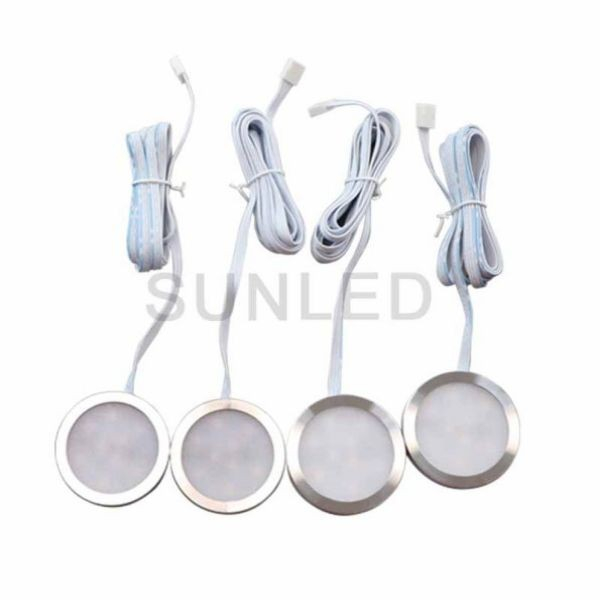
The first thing to consider when choosing indoor lighting is the purpose of the room or space you are lighting. Different spaces may require different types of lighting, such as task lighting for a home office or ambient lighting for a living room.
Brightness
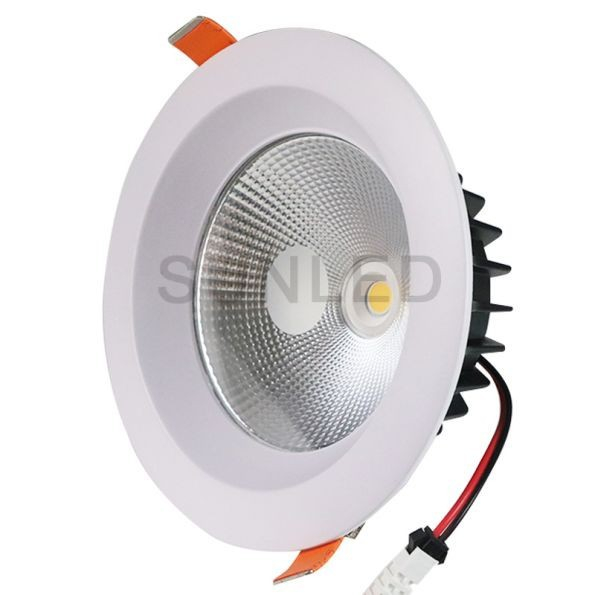
The brightness of the lighting is another important factor to consider. The brightness of the lighting should be appropriate for the activity or tasks being performed in the room, and should also be comfortable for the eyes.
Colour Temperature
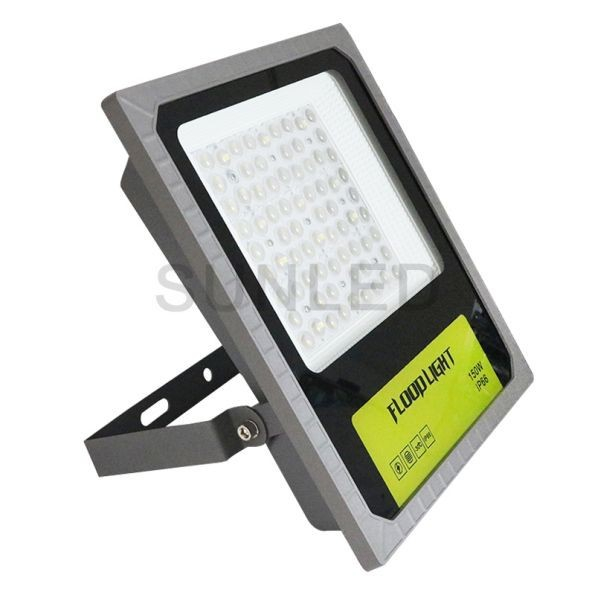
The colour temperature of the lighting is another important consideration. The colour temperature can affect the mood and ambiance of a room, with warmer temperatures creating a cozy and relaxing atmosphere, and cooler temperatures creating a more energizing and stimulating environment.
Energy Efficiency
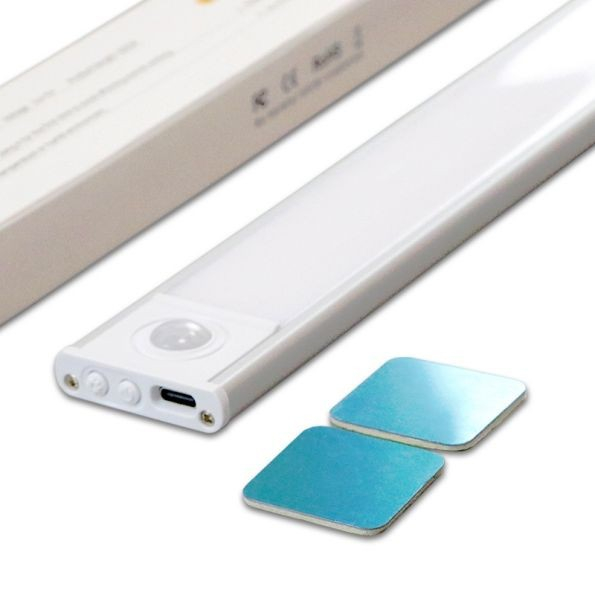
Another important factor to consider when choosing indoor lighting is energy efficiency. Energy-efficient lighting can save you money on your energy bills and help to reduce your carbon footprint.
Style and Design
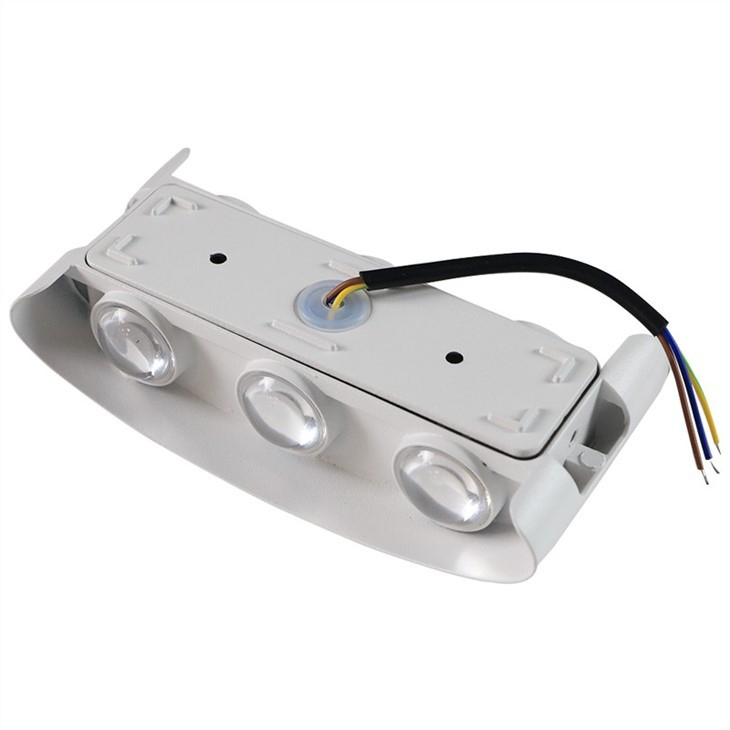
The style and design of the lighting should also be considered, as it can have an impact on the overall aesthetic of the room. The lighting should complement the existing decor and style of the room.
Maintenance and Lifespan
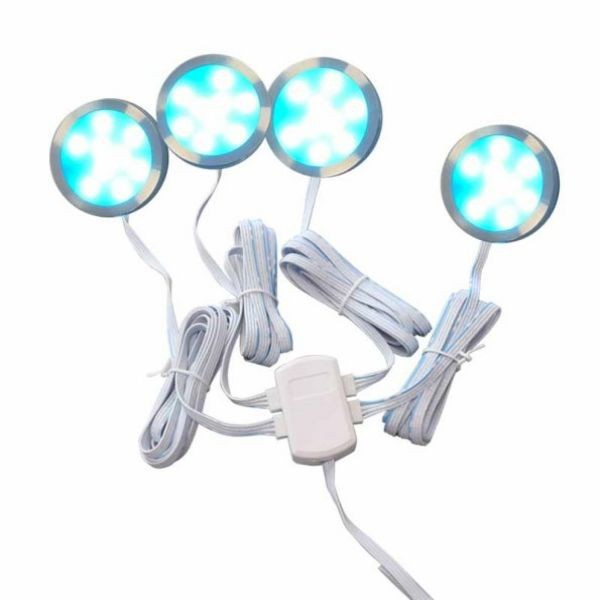
It is also important to consider the maintenance and lifespan of the lighting. Some types of lighting may require more maintenance than others, and some may have a shorter lifespan, which can affect the overall cost and convenience of the lighting.
Tips for Extending LED Fixture Lifespan
Proper Installation and Mounting:
Ensuring correct installation prevents physical damage that can occur through improper handling or mounting. Correct installation aligns with the manufacturer's guidelines, from selecting the right mounting hardware to wiring it appropriately. This meticulous approach minimizes undue stress on the fixtures, promoting a longer lifespan.
Implementing Lighting Controls and Dimming:
Incorporating lighting controls and dimming options not only saves energy but also enhances the life of the led lights. By allowing the user to adjust brightness levels according to need, the LED lights are not always operating at full capacity, reducing wear. Advanced control systems can further adapt lighting based on occupancy or time of day, adding more layers of efficiency and longevity.
Maintaining Stable Operating Temperatures:
LEDs are sensitive to temperature, so a consistent temperature environment ensures that the LED lights function optimally. Ensuring proper heat dissipation through heat sinks or proper ventilation can prevent overheating, a common factor that reduces LED lifespan. On the other end, protecting LEDs from extreme cold can prevent issues with startup and flickering.
Our Factory
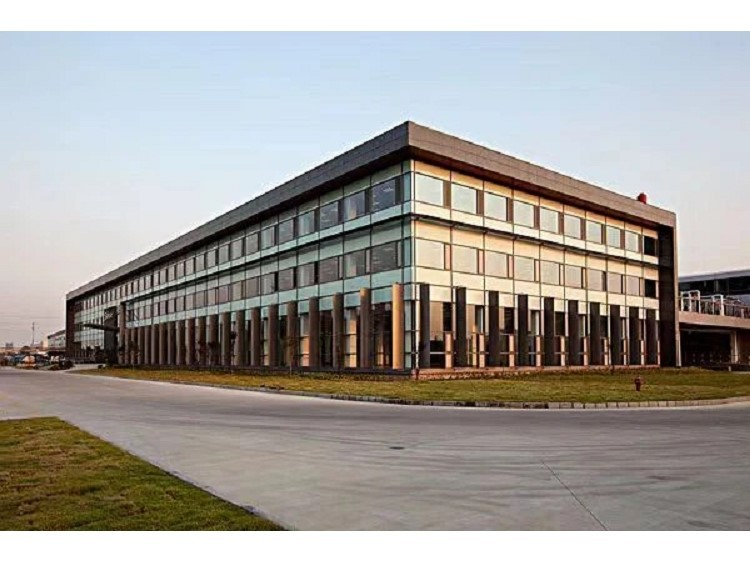
We have an independent factory and are able to provide competitive prices. Currently, there are 2 Sanyo high-speed placement machines, 2 Samsung precision placement machines and a full set of LED product testing equipment. The daily output reaches 20,000, and the order can be delivered in time.

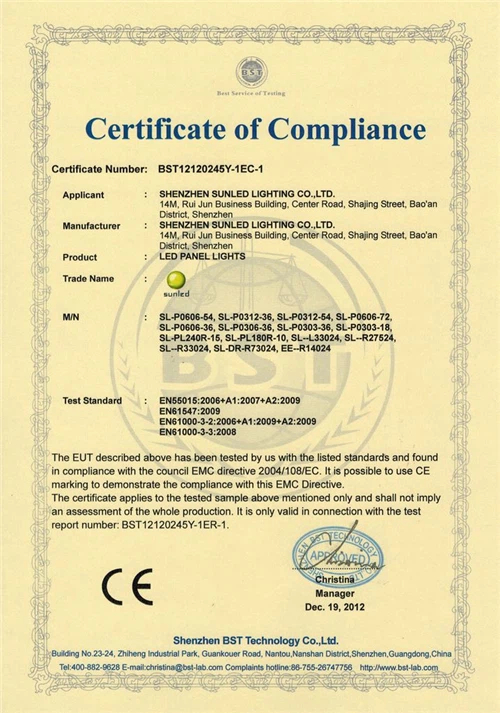
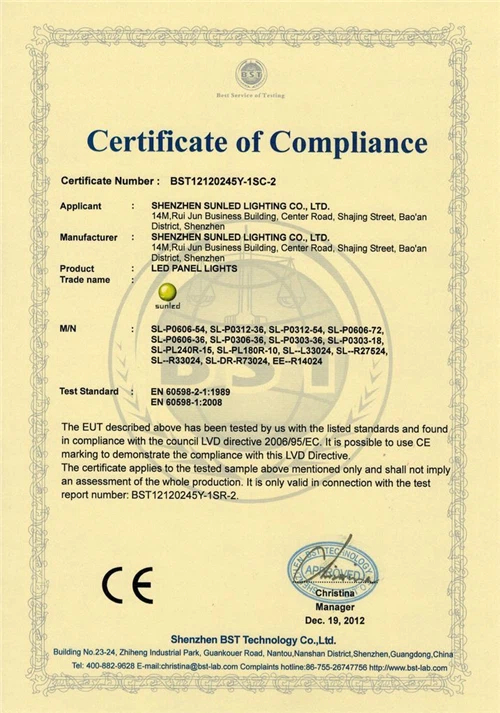
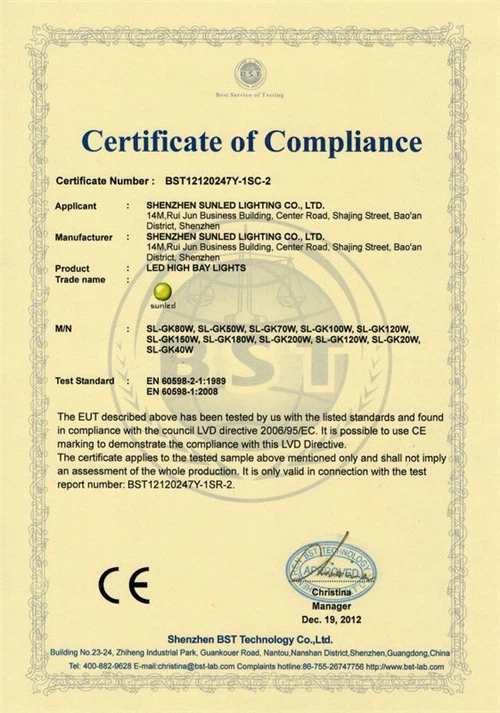
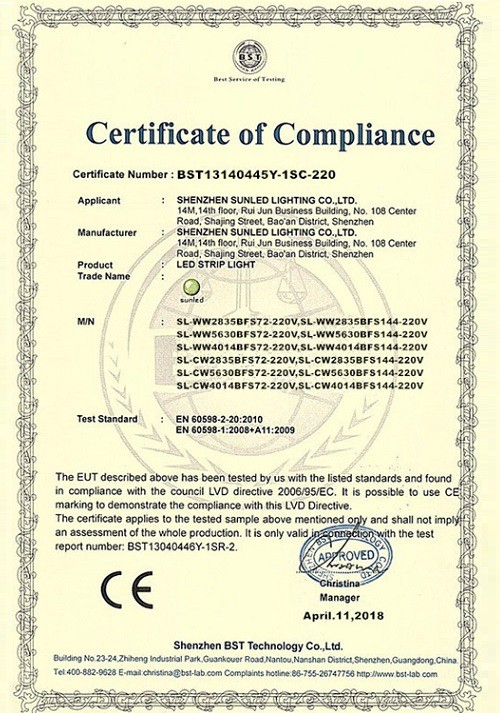
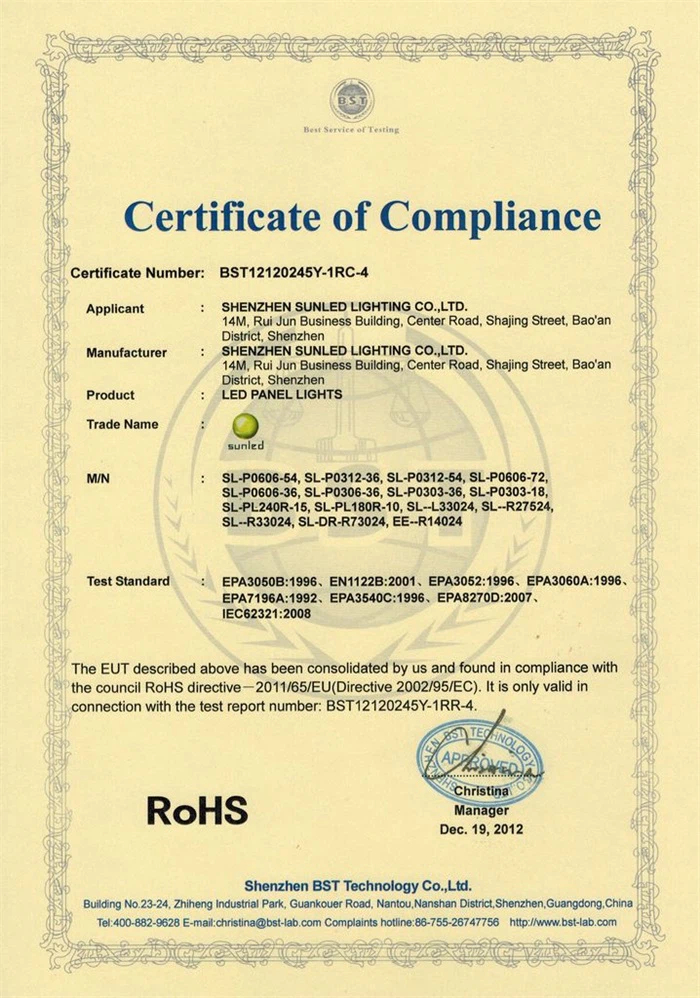
Our Certificates
Our products are produced under a strict quality control system, comply with industry standards and have passed CE certification, and the defective rate will be less than 0.2%. The products are exported to more than 80 countries around the world and receive favorable feedback from customers.
Ultimate FAQ Guide to Indoor Lamps
As one of the leading indoor lamps manufacturers and suppliers in China, we warmly welcome you to wholesale cheap indoor lamps in stock here from our factory. All customized products are with high quality and low price. Contact us for more details.