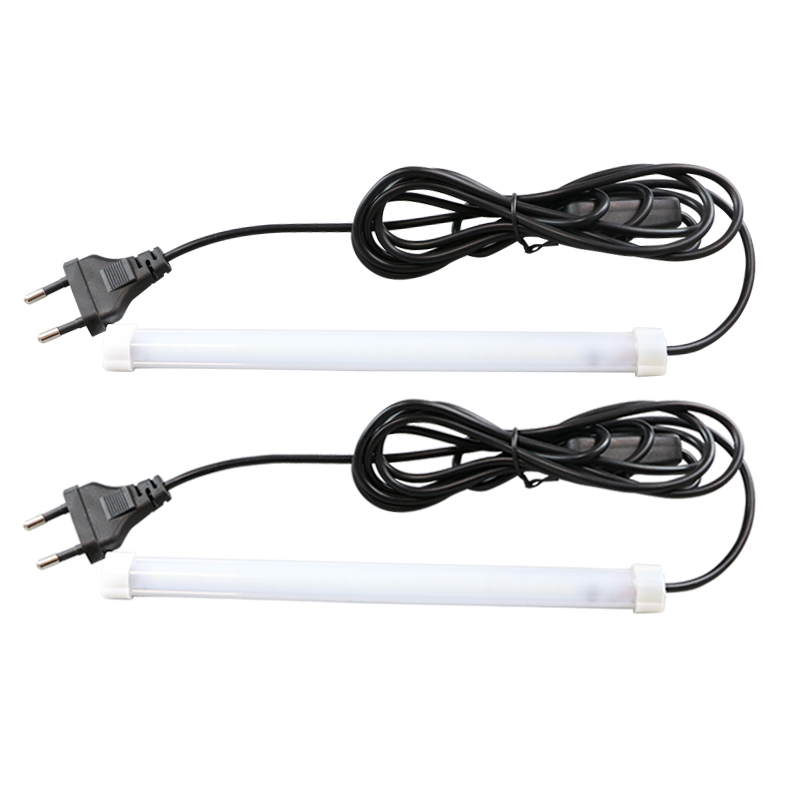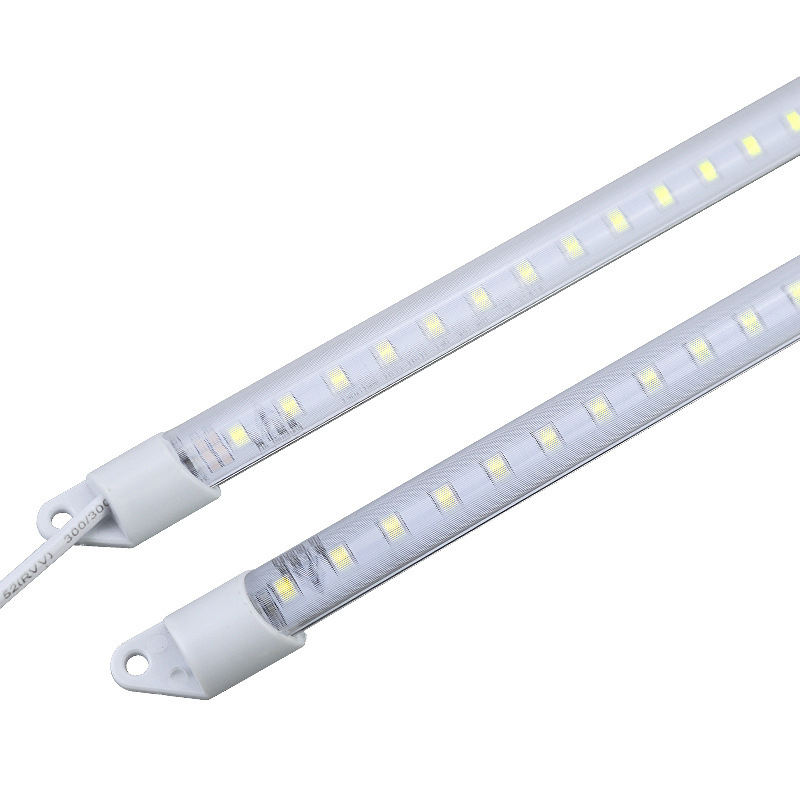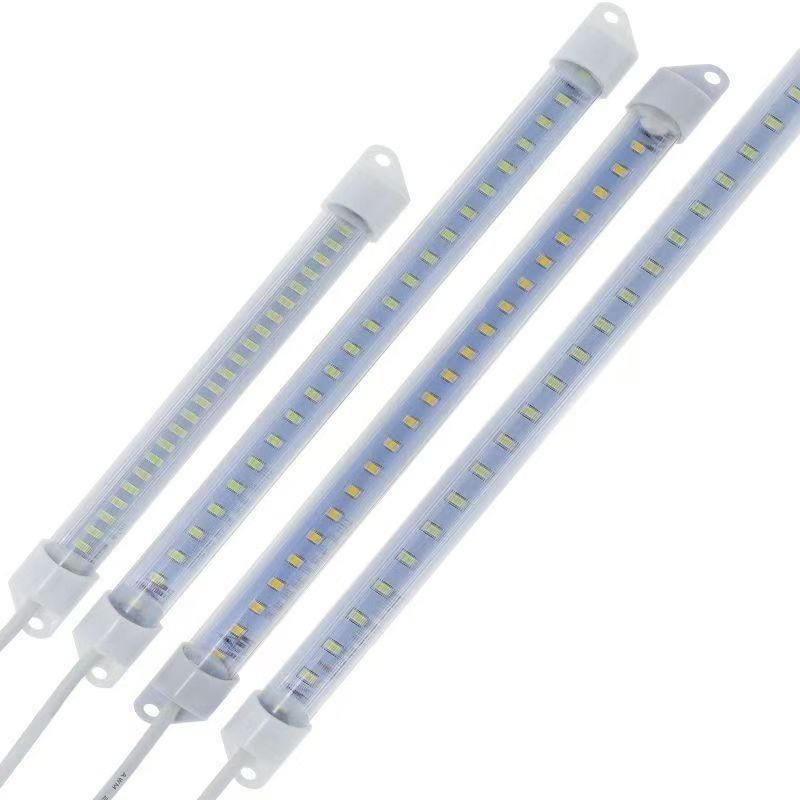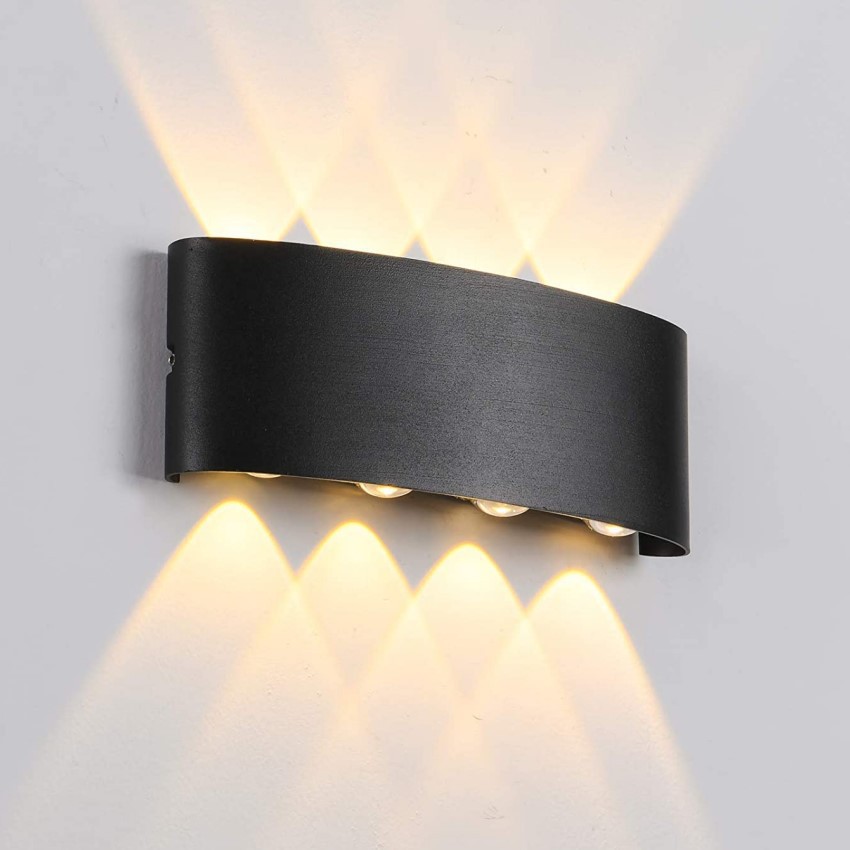

SUNLED Lighting: Your Premier LED Module Manufacturer!
Shenzhen SUNLED Lighting Co., Ltd. was established in November 2012. It is an enterprise integrating R&D, production and trade. It mainly produces LED lighting products.
Highly Efficient Production
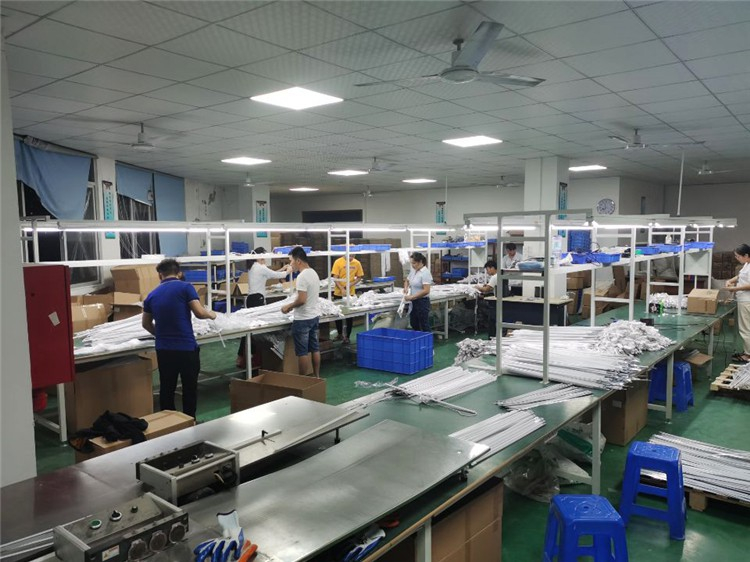
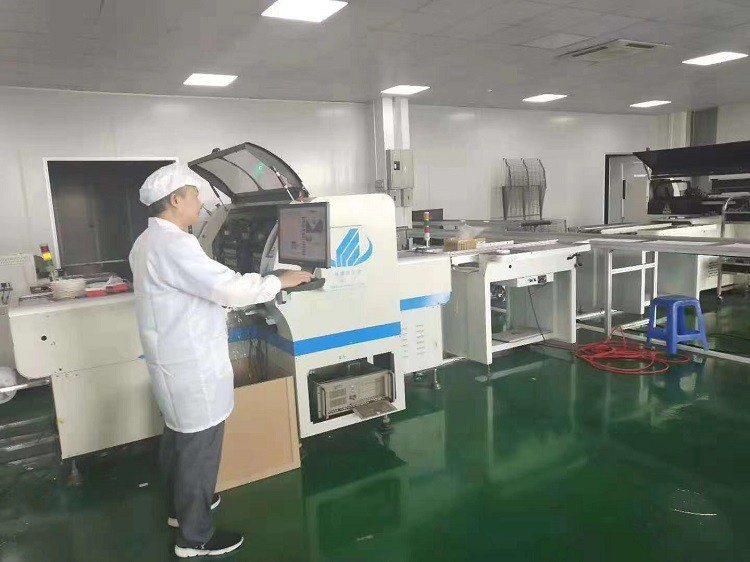
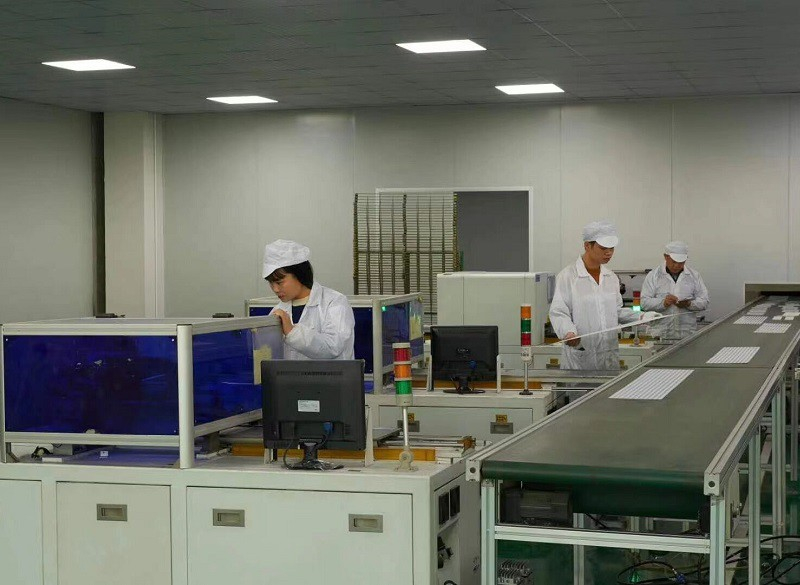
We have independent factories for product production. The company's production department has 30-50 employees, and has 4 complete production lines, 4 placement machines and a complete set of LED testing equipment. The daily output of LED products reaches 20,000 pieces.
Strong R&D Capabilities
We have a R&D team composed of several senior engineers in the LED industry, focusing on the improvement of existing products and the development of new LED products. We can not only provide customers with solutions but also customize LED products according to requirements.
High Quality Guarantee
In terms of raw materials, we mainly use chips imported from Taiwan, and the quality of every product we produce meets customer requirements. Our products are produced under a strict quality control system, the defective rate will be less than 0.2%, and the products are provided with a 2-5 year warranty.
Fast Delivery
It only takes 3-5 days for us to produce samples, and only 1-2 weeks for mass production. We can quickly package and send the finished products to you. We have cooperated with international logistics companies such as DHL, UPS, FedEx and TNT, and can deliver products to all parts of the world on time.
-
![5050smd Led Modules]()
-
![3 LED Module]()
-
![High Voltage 3light Module]()
-
![6-light Led Module]()
-
![SMD2835 LED Lights Module]()
-
![5050 Led Module Luxeon]()
-
![Injection Led Lighting Modules]()
-
![12V 3LED 2835 Lens Injection Molding LED Module]() 12V 3LED 2835 Lens Injection Molding LED Module12V 3 light 2835 lens injection molding LED moduleview more
12V 3LED 2835 Lens Injection Molding LED Module12V 3 light 2835 lens injection molding LED moduleview more
Voltage:DC12V
Power:1.2w
led type:smd2835 3LED
Size:63*14*3mm -
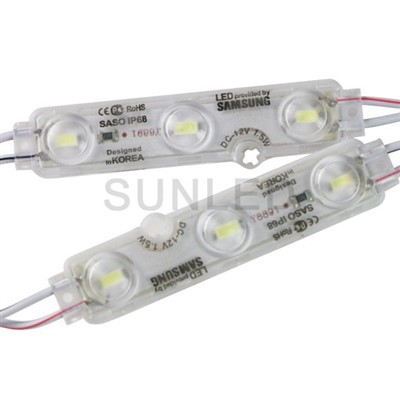
![12V Samsung Injection Molding LED Module]() 12V Samsung Injection Molding LED Module12V Samsung injection molding LED moduleview more
12V Samsung Injection Molding LED Module12V Samsung injection molding LED moduleview more
Voltage:DC12V
Power:3W
led type:smd2835 3LED
Size:100x20MM -
![5730 LED Module]() 5730 LED ModuleLed chip: SMD5730view more
5730 LED ModuleLed chip: SMD5730view more
IP Rating: Ip67 WATERPROOF
size: 70*14mm
Voltage: DC12V
Working Temperature(℃): -25-45℃


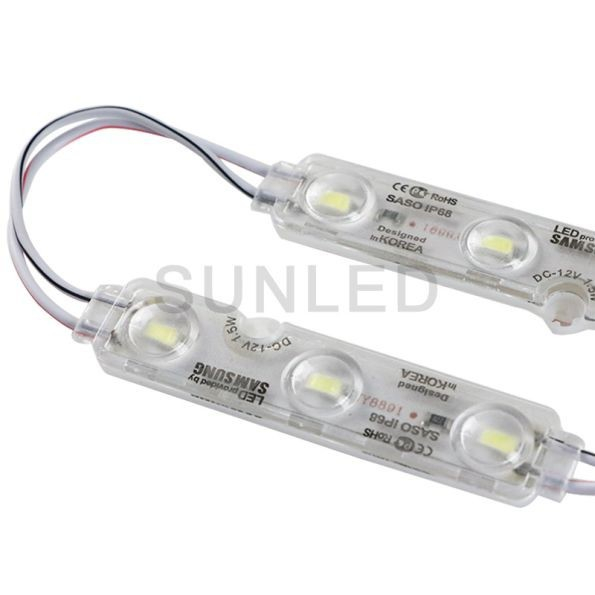
An LED module is a device designed to plug into a compatible unit or operate on its own. It is mainly used as portable or energy-efficient lighting. These modules throw bright illumination from small bulbs after turning on. The LED module light has various LED bulbs. A fixture and board contain all of them and deliver power to LEDs. The entire fixture work as a single unit. The voltage is applied to the semiconductor. When electrons run loose after energizing, then they start transmitting lights.
This is one of the perfect choices for saving energy bills. LED module offers brighter lights and consumes fewer watts than incandescent bulbs. Moreover, an LED module for sign board can throw lights in various colors. Therefore, LED light can deliver the lights in different shades and a rainbow of colors. This is mainly used for advertising purposes.
How do LED Modules Operate?
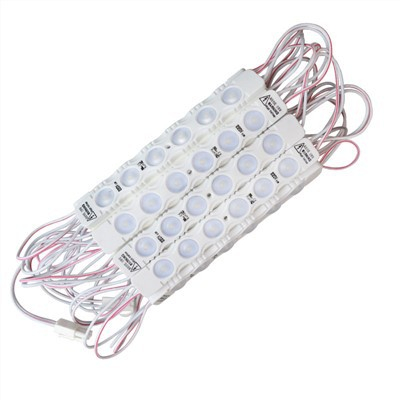
LED light modules can fit a wide range of uses. They can operate alone or plug into a compatible fixture. Certain LED light modules, like linear light modules, can use a pin base connection, while others, like channel letter LED modules, connect to one another through a wire connection. Some offer an adhesive back to allow them to stick to a fixture during installation.
LED light modules can install into new fixtures or retrofit old fixtures. Some manufacturers make integrated LED module fixtures that can retrofit traditional bulb fixtures. Integrated LED fixtures offer new lighting designs. Without having to accommodate a traditional bulb style, manufacturers can create new and unique fixture designs.
Different Types of LED Modules
Classification Based on Shape
● Linear LED Modules
These modules have a rectangular shape and are used in applications like under-cabinet lighting, cove lighting, and linear architectural lighting.
● Round LED Modules
These modules feature a circular shape and are commonly used in downlights, spotlights, and other applications that require focused light.
● Flexible LED Modules
These modules consist of flexible LED strips that can be bent and shaped to fit curved surfaces and intricate designs. They are used in applications like signage, decorative lighting, and curved architectural lighting.
Classification Based on Size
● Small LED Modules
Owing to their size, small LED modules make perfect light fixtures in narrow profiles and applications where space is limited. They are particularly effective in channel or shallow built-up letters for signage and display units. Small LED modules are also ideal for creating an atmosphere for celebrations or events, such as parties, weddings or romantic evenings in with your partner. Compared with fluorescent lighting, small LED modules are far more efficient and have no issues with flickering or heat.
● Standard LED Modules
Standard LED modules also guarantee exceptional longevity, as well as excellent durability, versatility and energy efficiency. They are available in a range of colours as standard, including RGB/RGBW, pure or warm white, red, blue, green and yellow. Standard LED modules are often used for halo illumination in built-up letters, backlighting or as a simple decorative luminaire. Many of our standard LED modules are suitable for external use.
● Large LED Modules
What distinguishes large LED modules as a different type of LED lighting system is that they are not only more powerful than small or standard modules, but they also have a greater return depth of at least 50mm. Return depth is the space between the LED emitters and the surface, and this impacts whether you can observe each LED chip instead of the continuous block of light you would hope for. Large LED modules also provide more power at a lower cost than other types, and typically higher beam angles, meaning the light they emit has a wider reach.
New Technologies Being Introduced in LED Modules
The highly illuminated and colorful LED lights also score over their conventional counterparts due to the new and evolving technologies that they incorporate. Some of the latest technological trends improving the LED modules and lights include:
Plug-and-Play
The new LED module that incorporates plug-and-play technology comes with an integrated circuit (IC) that is fixed on board. Hence the components of the LED module are not required to be attached externally anywhere.
Remote Phosphor
New technology can provide for lesser heating and a reduction in color shifts. LED modules having this new technology also have a better life cycle and can provide for good energy efficiency.
Bluetooth Wireless Communication
LED modules can also be connected wirelessly through the sensors and switches. Such LED modules incorporating the Bluetooth wireless communication technology can be controlled through smartphones as well and are quite energy efficient.
Correlated Color Temperature (CCT) of LED Module
LED module lights are available in various correlated color temperatures, which are measured in Kelvin (K). Common CCT ranges include:
Warm White (2700K - 3000K)
This range provides a cozy, inviting ambiance and is used in residential and hospitality applications.
Neutral White (3500K - 4100K)
This range offers balanced, natural light that is suitable for office spaces, retail stores, and other commercial applications.
Cool White (5000K - 6500K)
This range emits a crisp, bright light that is ideal for task lighting, outdoor lighting, and industrial applications.
LED Module Colour Options: RGB/RGBW
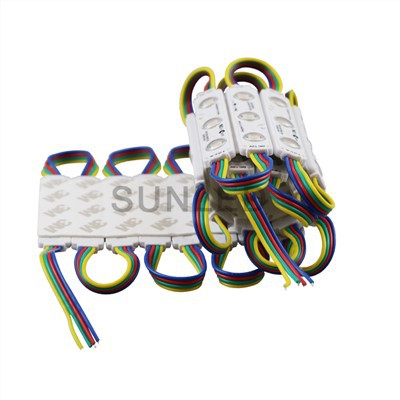
RGB and RGBW LED modules are small colour-changing devices that can be used to create a variety of creative lighting effects. RGB LED technology has been on the market for a while, whereas RGBW is a relative newcomer. RGB modules contain red, green and blue emitters, and RGBW modules contain the same with an additional white LED chip. The combination of these colours at different brightness levels creates a more full spectrum of colour than a simple red, green or blue LED module is able to.
RGB and RGBW LEDs emit a very smooth and consistent colour - perfect for making a statement with feature lighting. By combining red, green and blue, RGB LEDs can achieve over 16 million different hues. However, some colours such as brown and pink are difficult to produce. Because of the added white chip in RGBW modules, you can create more pastel shades and hues of white that you couldn’t achieve with RGB LEDs alone. RGB and RGBW LED modules can easily be identified by the number of pins on them: RGB modules will have four pins, while RGBW modules will have five.
LED
● Dip LED: DIP (Double In-Line Package) LEDs are the most traditional form of LED lights. Even, most people can imagine what an LED light looks like when they recall it. DIP LEDs have a chip that is typically encased in hard plastic and uses two straight, parallel connecting pins.
● SMD LED: SMD LEDs are surface-mount diodes. Because three diodes can be placed on the same chip, they are smaller and more efficient than traditional DIP LEDs. It has better brightness and the ability to change colors.
● COB LED: COB (Chip on board) LEDs are the latest development in LED lighting with their higher power. Similar to SMD chips, COB LEDs have multiple diodes, usually about nine or more.
PCB
PBCs for each product is customized and require different designs and materials in order to meet various needs. For circuit boards in the LED industry, the efficiency of the board’s heat transfer is important. With the growing interest in more efficient and cost-effective lighting methods. However, much of the function of an LED depends on the temperature of its system. For many companies, the solution to this problem is aluminum-based PCBs.
IC
LED driver IC is an integrated circuit (IC) that provides brightness control and backlight color control. What we need to understand is that when the refresh rate of the IC is higher, the clearer the picture displayed by the LED module will be.
Cable
Cables are an important part of the LED module. Usually, the cable is used together with other components to achieve the task of illumination and display.
Benefits of Using LED Modules
Energy Efficiency: LED modules are highly energy-efficient, using up to 80% less energy than traditional lighting sources, such as incandescent bulbs or fluorescent lamps. This can result in significant energy cost savings over the lifetime of the LED module.
Long Lifespan: LED modules have a much longer lifespan than traditional lighting sources, lasting up to 50,000 hours or more, which can result in reduced maintenance and replacement costs.
Low Heat Emission: LED modules emit very little heat compared to traditional lighting sources, reducing the risk of fire hazards or heat-related damage.
Design Flexibility: LED modules come in various shapes, sizes, and colors, making them highly versatile and suitable for a wide range of lighting applications, from indoor and outdoor lighting to signage and displays.
Environmentally Friendly: LED modules are free of toxic chemicals, such as mercury or lead, and are highly recyclable, reducing their impact on the environment.
Instant On: LED modules turn on instantly and do not require a warm-up period, unlike traditional lighting sources, which can take several minutes to reach full brightness.
High Color Quality: LED modules are available in a range of color temperatures and can be designed to provide high color rendering, which can result in better color accuracy and visibility.
Applications of LED Modules
Outdoor Landscape and Accent Lighting
LED module lights can be used to highlight the architectural details of your house or light up pathways and driveways. Their low voltage (as a 12v led module) and energy efficiency make them suitable for outdoor use.
Interior Lighting
LED strip lights and modules are great for indirect lighting in cupboards, cabinets, and tight spaces where bulky lights cannot fit. They provide decorative accent lighting for bathrooms, bedrooms, and living rooms. Their small size and low profile allow them to be hidden neatly along edges and corners.
Led Modules for Signs
LED modules are a common choice for electric signs due to their high brightness, long life span, and energy efficiency. LED sign modules typically use high-powered SMD or Through-hole LEDs arranged in patterns to form words, icons, or shapes. Signage LED modules allow you to create vivid, visually striking displays that attract attention.
Vehicle Lighting
LED modules are commonly used to light up the dashboard, interior, license plate, and headlights of vehicles. They are durable and long-lasting, unaffected by vibrations
Task Lighting
LED modules are ideal as night lights, reading lights, and table lamps where focused bright light is needed. They produce little heat compared to incandescent bulbs.
Flashlights and headlamps
LED module lights are used in place of incandescent bulbs in flashlights and headlamps as they have a longer lifespan and lower power consumption.
Design an LED module
Overall Light Output:
Overall light output refers to the total amount of light emitted by a light source or lighting fixture. It is usually measured in lumens, which is a unit of measurement for the total amount of visible light emitted by a source. The higher the overall light output, the brighter the light emitted by the source or fixture.
Efficiency of the Module:
● Choose the Right Type of Led: There are many different types of LEDs available, and choosing the right one can make a big difference in efficiency. Look for LEDs with high luminous efficacy, which is the measure of how much light is produced per watt of electricity.
● Use a High-Quality Driver: The driver is the component that regulates the voltage and current to the LED. Using a high-quality driver can help to ensure that the LED operates at its maximum efficiency.
● Optimize the Heat Sink: LEDs produce heat, and if the heat isn't dissipated properly, it can reduce efficiency and longevity. Make sure your heat sink is properly sized and designed to remove heat efficiently.
● Use a Reflector: A reflector can help to direct the light output of the LED in the desired direction, increasing efficiency and reducing wasted light.
● Control the Voltage and Current: LEDs are sensitive to voltage and current fluctuations. Using a constant voltage or current source can help to maintain stable operation and increase efficiency.
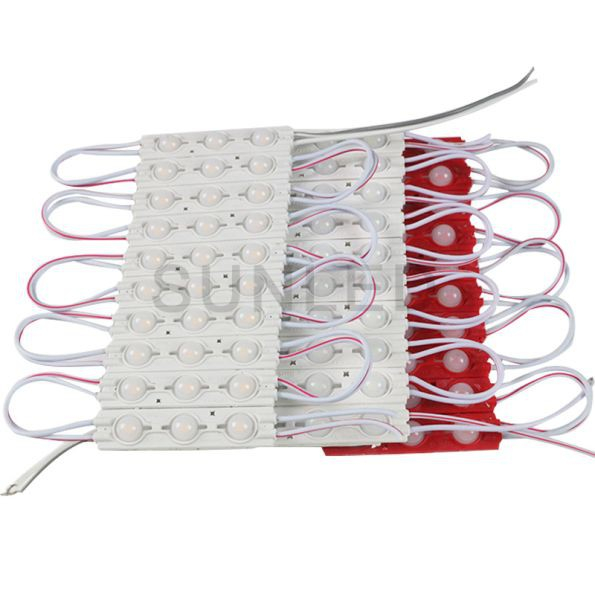
Display Requirements: Determine the size, resolution, brightness requirements and display content of the display screen. Free 10 guides for buying indoor LED displays.
Pixel Pitch: Choose the appropriate pixel pitch based on your application needs and budget.
Led Packaging: Understand the type and brand of LED packaging used in the module and choose a reliable LED packaging.
Color Performance: Pay attention to the module's color saturation, color accuracy and grayscale levels.
Durability and Reliability: Choose modules with good durability and reliability.
Suppliers and After-Sales Service: Choose qualified and reputable suppliers and learn about their after-sales service and support.
Cost-Effectiveness: Consider the balance between price and performance based on budget and needs.
How To Install Your LED Modules
Step 1: Ensure Safety
Before beginning the installation, attach the safety hook to the LED module to prevent it from falling during installation.
Step 2: Connect Flat Ribbon Cable
Connect the required flat ribbon cable to the LED module. If you need to make or repair a flat ribbon cable, refer to this link.
STEP 3: CONNECT POWER CABLE
Attach the appropriate power cable to the LED module, ensuring secure connections.
TEP 4: POSITION THE MODULE
Install the LED module onto the sign, making sure to keep all cables clear of the edges to avoid damage.
STEP 5: IDENTIFY LOCK POINTS
Locate the lock points on each module, which are typically found in the center, approximately 2 inches from the top and 2 inches from the bottom.
STEP 6: SECURE THE MODULE
Using a 3mm hex key or Allen wrench, insert it into each lock point and turn clockwise to secure, once at the top and once at the bottom.
Step 7: Repeat for Each Module
Repeat Steps 4-6 for each additional LED module you are installing.
Step 8: Final Check
Once all modules are securely installed, review all connections and placements to ensure security and proper alignment.
What Affects the Service Life of LED Module?
Extreme Temperature Destroy LED Module Components
LED module as an integrated electronic product, it is mainly composed of IC, power supply, LED beads and so on. All of these electronic components can be affected by temperature. During the use of LED modules, the temperature changes caused by itself, as well as external environmental changes will become the cause of accelerated LED display module loss.
Dust Can Lead to LED Module Short Circuits
Dust is everywhere and can have serious influences on LED display modules. Dust deposition can affect the heat dissipation of electronic components, and leads to severe short circuits. To avoid this situation, the best way is to keep the LED display module working environment clean. But in real life,it’s hard to maintain a sterile, dust-free environment. In this case,we can only clean and maintain the LED display module regularly.
Humidity Has Negative Impacts on LED Module
High humidity in the air will have a great negative impact on the service life of LED modules. Water in the air will cause rust in the electronic components of the LED display module, or even make the components bulge or burst, which will directly cause the LED module scrap.
LED Bead Quality is Crucial
LED beads are one of the relevant components that affect the service life of LED display modules. For the quality of LED beads, there are mainly the following measurement indicators: attenuation characteristics, anti-vapor penetration characteristics, and anti-UV performance. If a large number of LED beads whose performance assessment is not good enough are applied, it definitely will leads to a surge in the failure rate of LED modules.
Quality of LED Module Accessories is Vital
In addition to LED beads, the LED display module has many other accessories. The high frequency of quality problems in any component will result in reducing LED module service life. Therefore, we can not ignore the quality of every part, and reduce the frequency of maintenance or replacement.
Production Process Should be Anti-Static
In the process of production, in order to ensure the quality of electronic components and reduce the failure rate in the future. The factory needs to do anti-static work, such as wearing static rings, anti-static clothes, and choosing a dust-free workshop and production line. This will not plant any hidden dangers in the future use of the product and extend the service life of the LED display module.
Installation of LED Module
If the installation location is in an unstable environment, such as the presence of extreme weather, or the LED display is easily accessible to the public, then we need to choose LED modules with special protection capabilities. During the installation process, the buyer needs to follow the instructions. Any careless installation operation will adversely affect the use of the LED module.
Our Factory
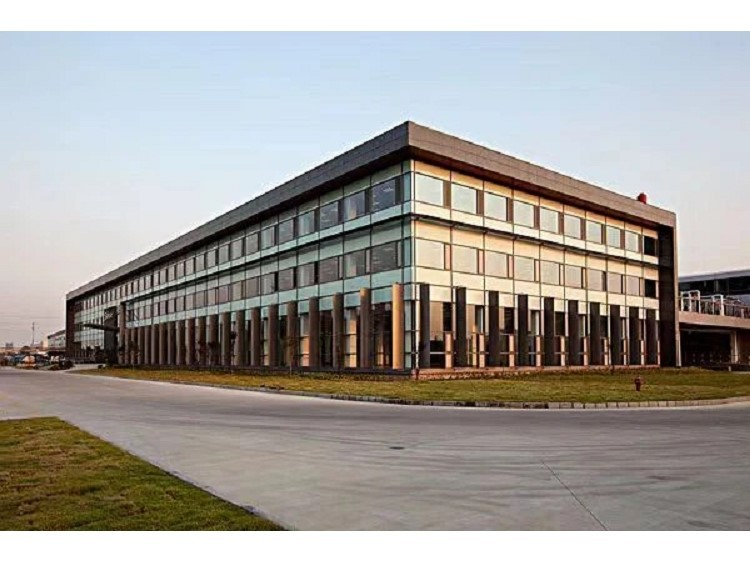
We have an independent factory and are able to provide competitive prices. Currently, there are 2 Sanyo high-speed placement machines, 2 Samsung precision placement machines and a full set of LED product testing equipment. The daily output reaches 20,000, and the order can be delivered in time.

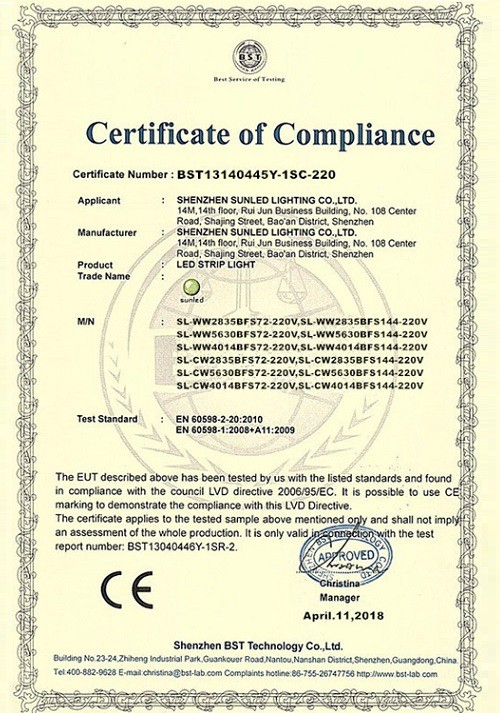
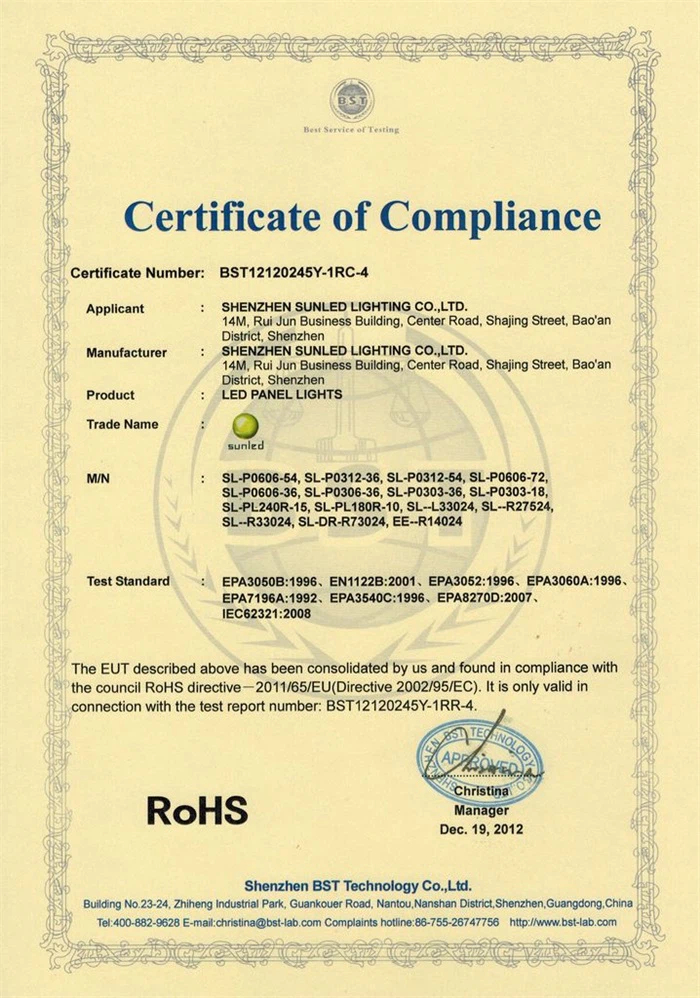
Our Certificates
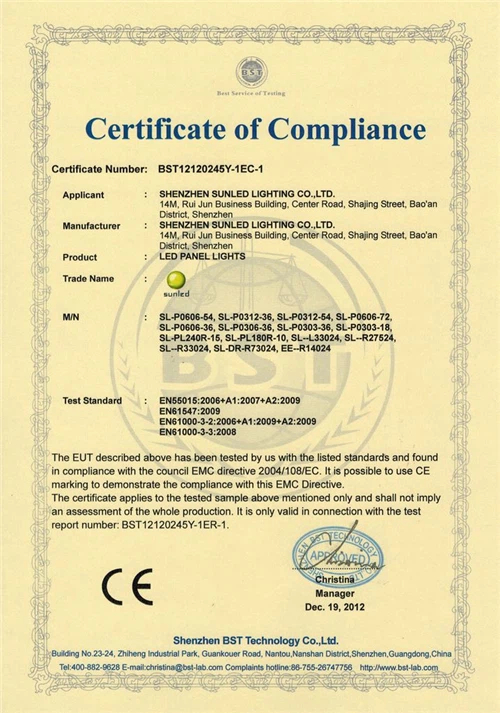
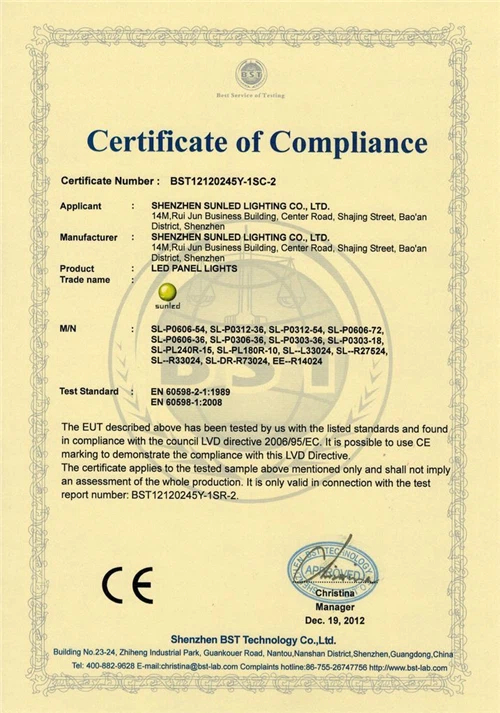
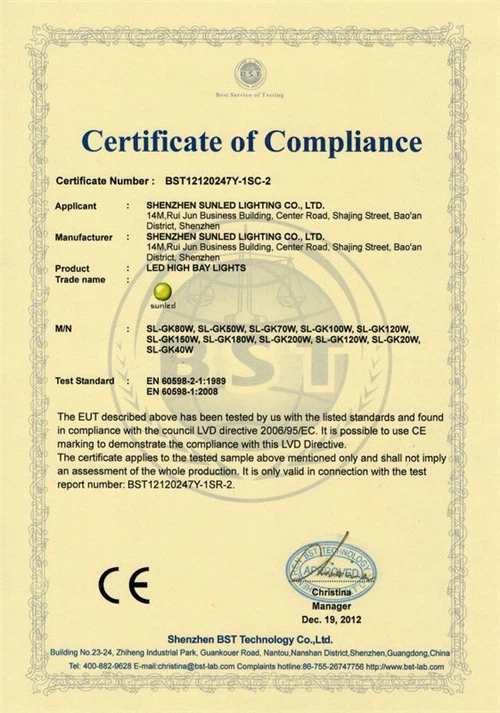
Our products are produced under a strict quality control system, comply with industry standards and have passed CE certification, and the defective rate will be less than 0.2%. The products are exported to more than 80 countries around the world and receive favorable feedback from customers.
Ultimate FAQ Guide to LED Module
As one of the leading led module manufacturers and suppliers in China, we warmly welcome you to wholesale cheap led module in stock here from our factory. All customized products are with high quality and low price. Contact us for more details.
Plant Lamp, Customized LED Strip Light, RGB Magic Dream Color