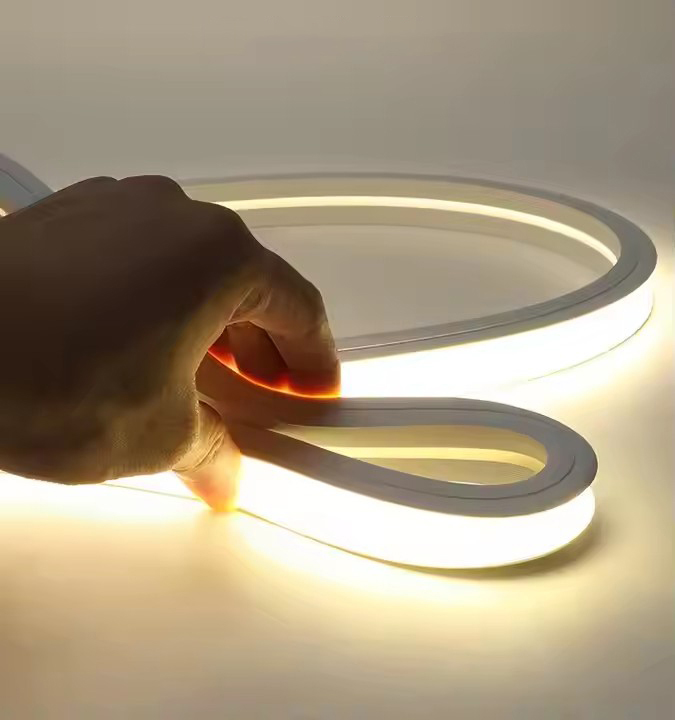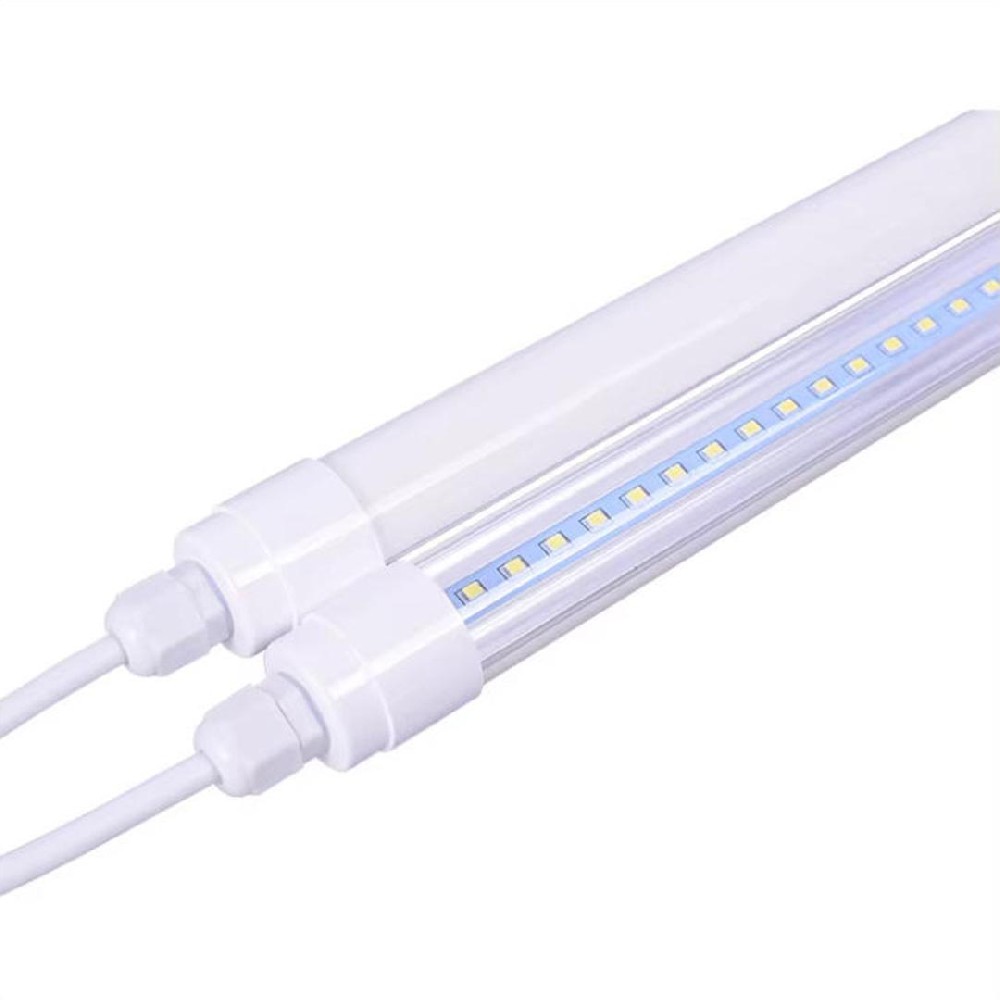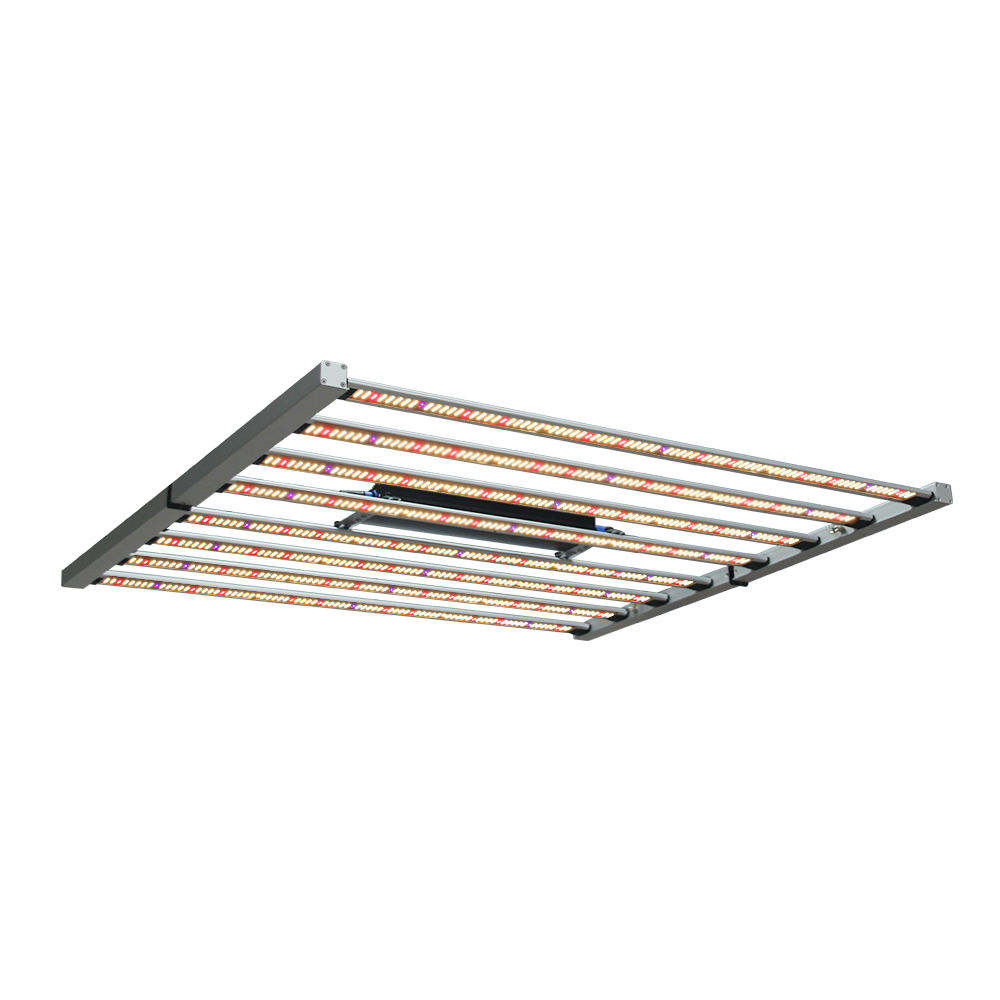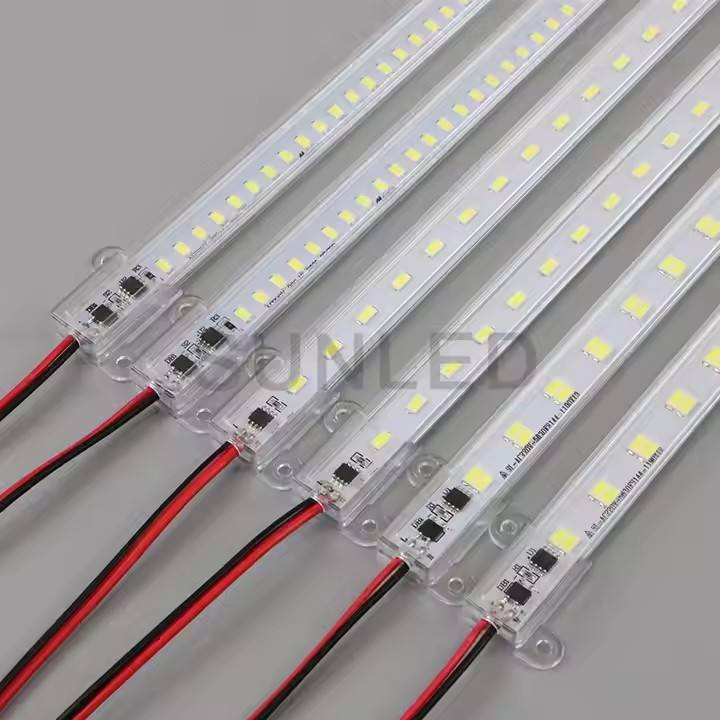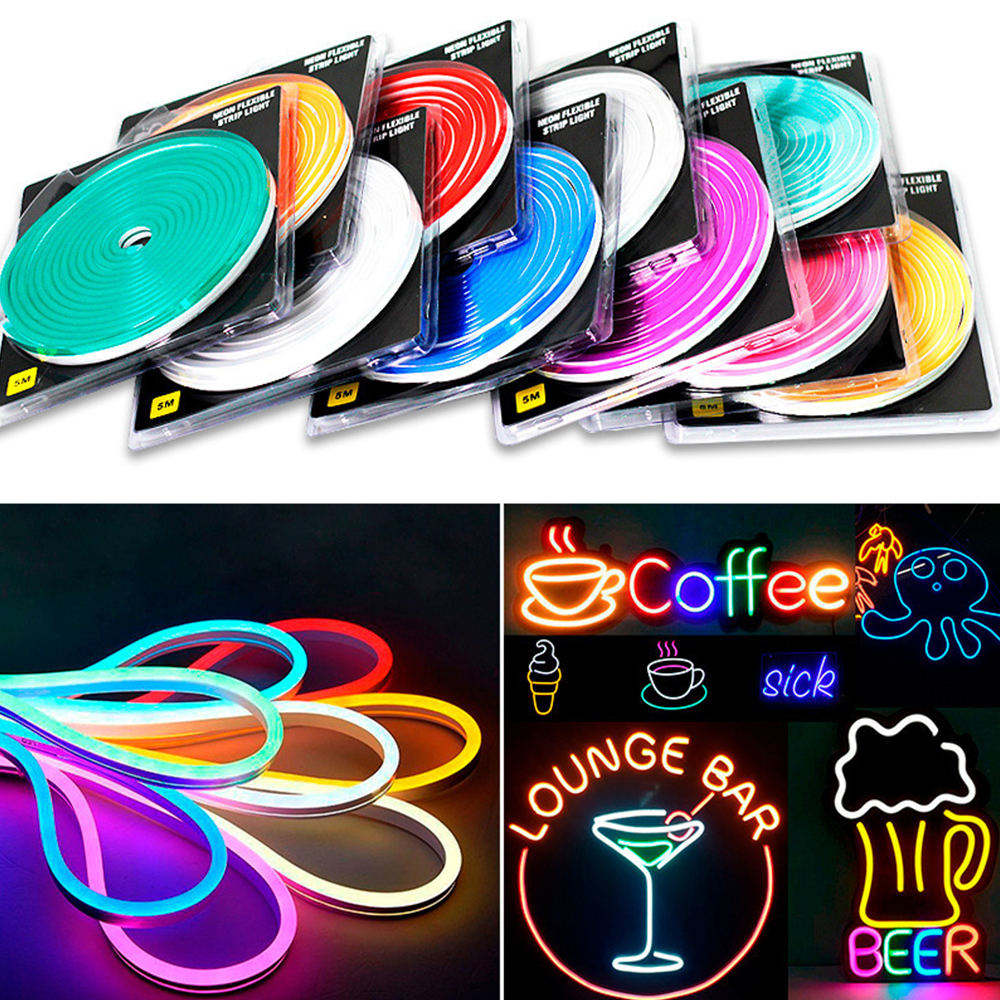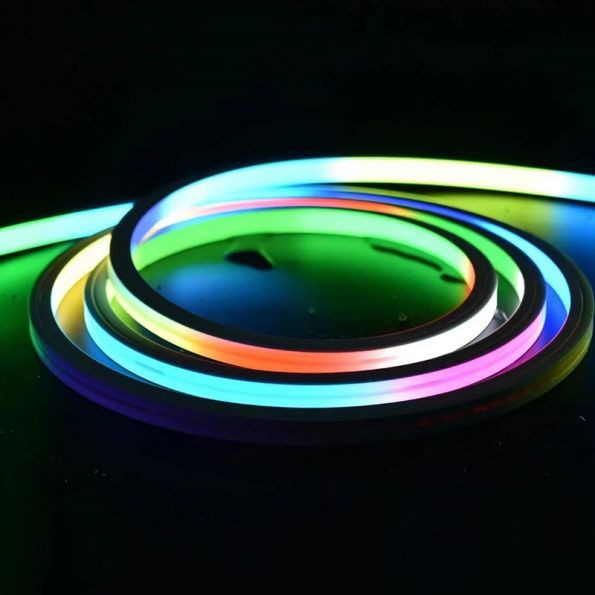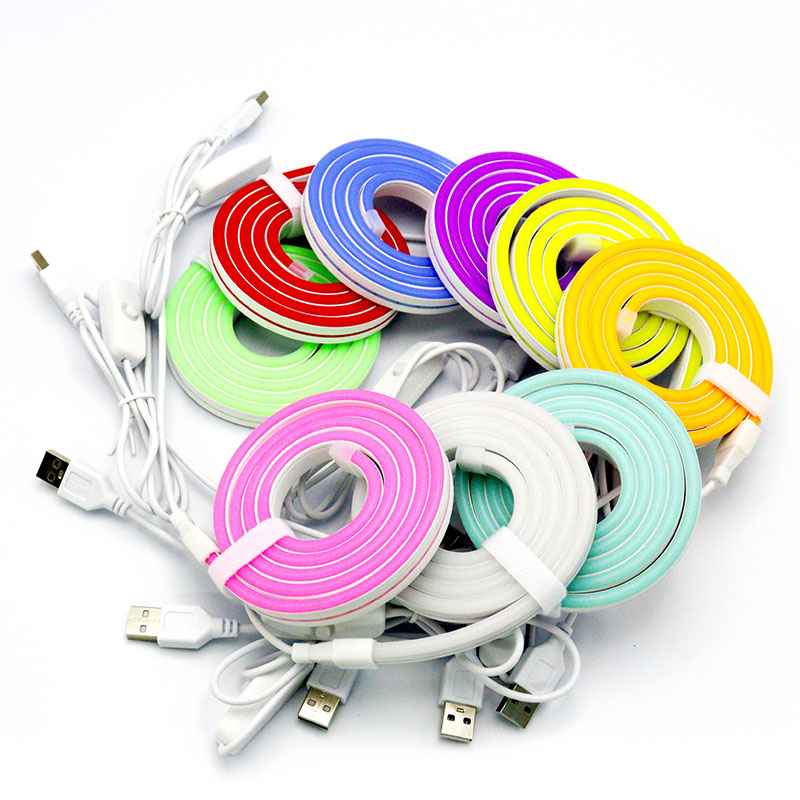

High energy saving: Energy saving and pollution-free energy is environmental protection. DC drive, ultra-low power consumption (single tube 0.03-0.06 watts) electro-optical power conversion is close to 100%, and the same lighting effect saves more than 80% energy than traditional light sources.
Long life: Some people call LED light sources longevity lamps, which means lights that never go out. Solid cold light source, encapsulated in epoxy resin, there are no loose parts in the lamp body, and there are no shortcomings such as filament burning, heat deposition, light decay, etc. The service life can reach 60,000 to 100,000 hours, which is 10 times longer than that of traditional light sources. above.

Multiple changes: LED light source uses the principle of three primary colors of red, green and blue. Under the control of computer technology, the three colors have 256 levels of grayscale and can be mixed at will to produce 256×256×256=16777216 colors to form different light colors. The combinations are varied to achieve colorful dynamic changing effects and various images. You can also choose a variety of colors to replace ordinary tungsten filament bulbs with higher brightness.
Environmentally friendly: better environmental protection benefits, no ultraviolet and infrared rays in the spectrum, no heat, no radiation, small glare, and waste can be recycled, no pollution, no mercury elements, cold light source, safe to touch, is a typical green Lighting source.
High-tech: Compared with the monotonous luminous effect of traditional light sources, LED light sources are low-voltage microelectronic products that successfully integrate computer technology, network communication technology, image processing technology, embedded control technology, etc., so they are also digital information products. The "high-tech" technology of semiconductor optoelectronic devices has the characteristics of online programming, unlimited upgrades, and flexibility.
Disadvantages: Although LED lamps have many advantages, they are still in a very passive situation. The high price restricts their widespread use, making it difficult to enter ordinary people's homes. Secondly, the heat dissipation of lamps is also a major problem, so In order to popularize LED lamps, reducing costs and solving the problem of high heat generation of lamps are more critical issues.