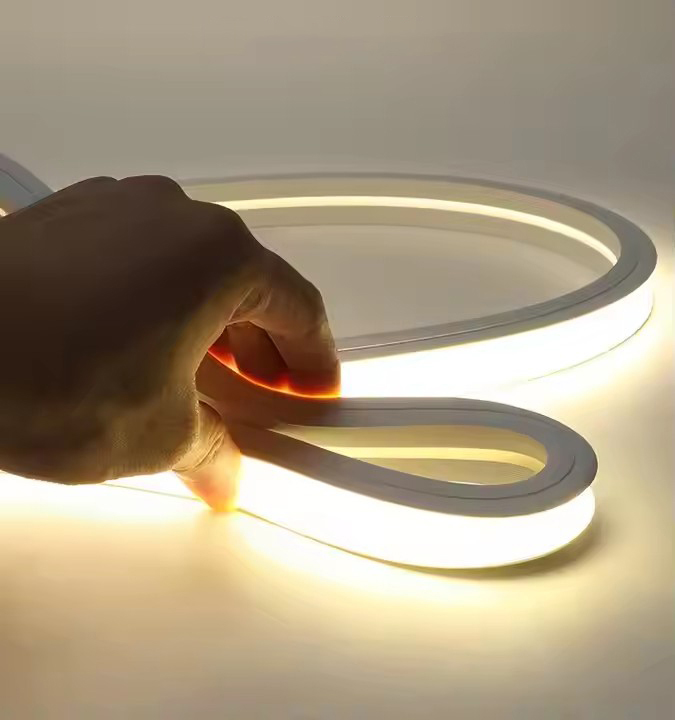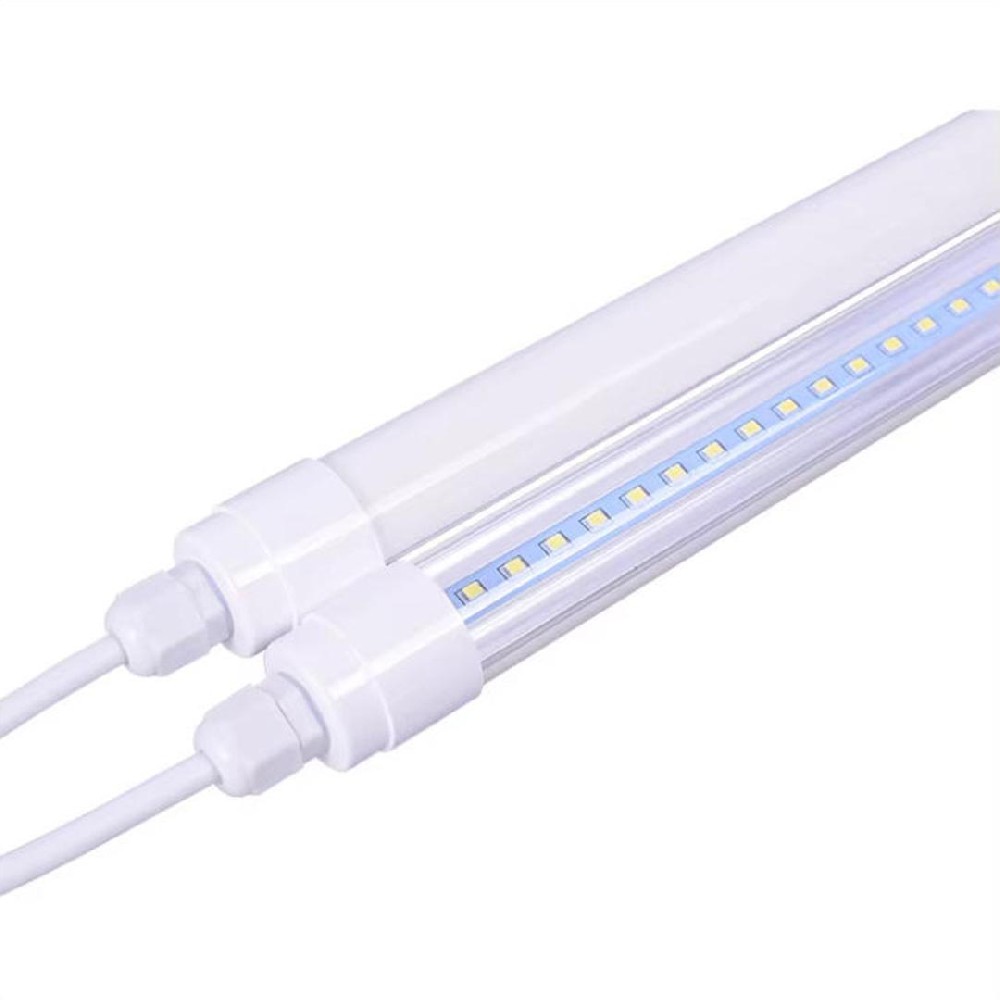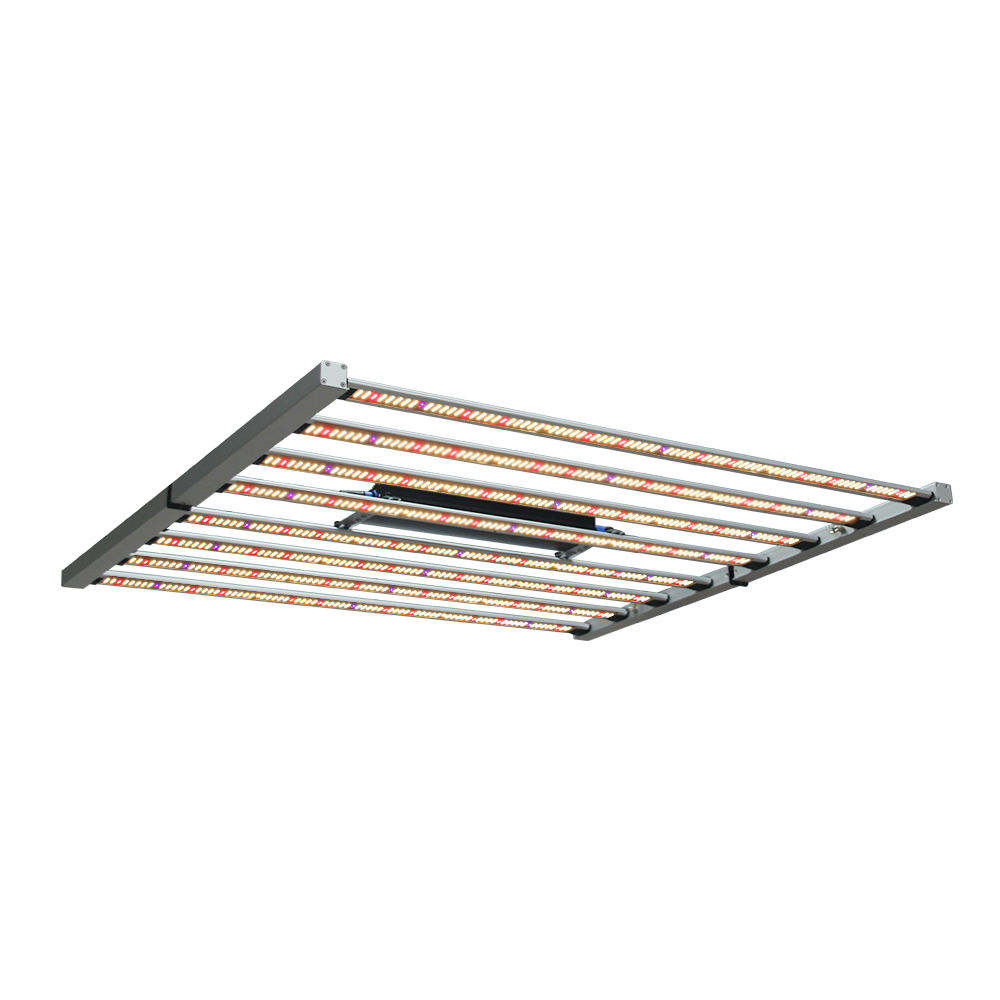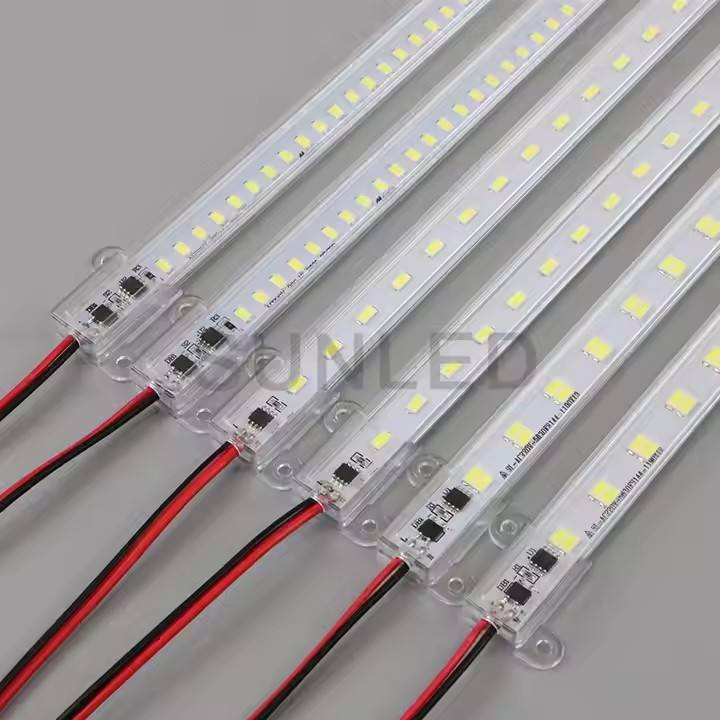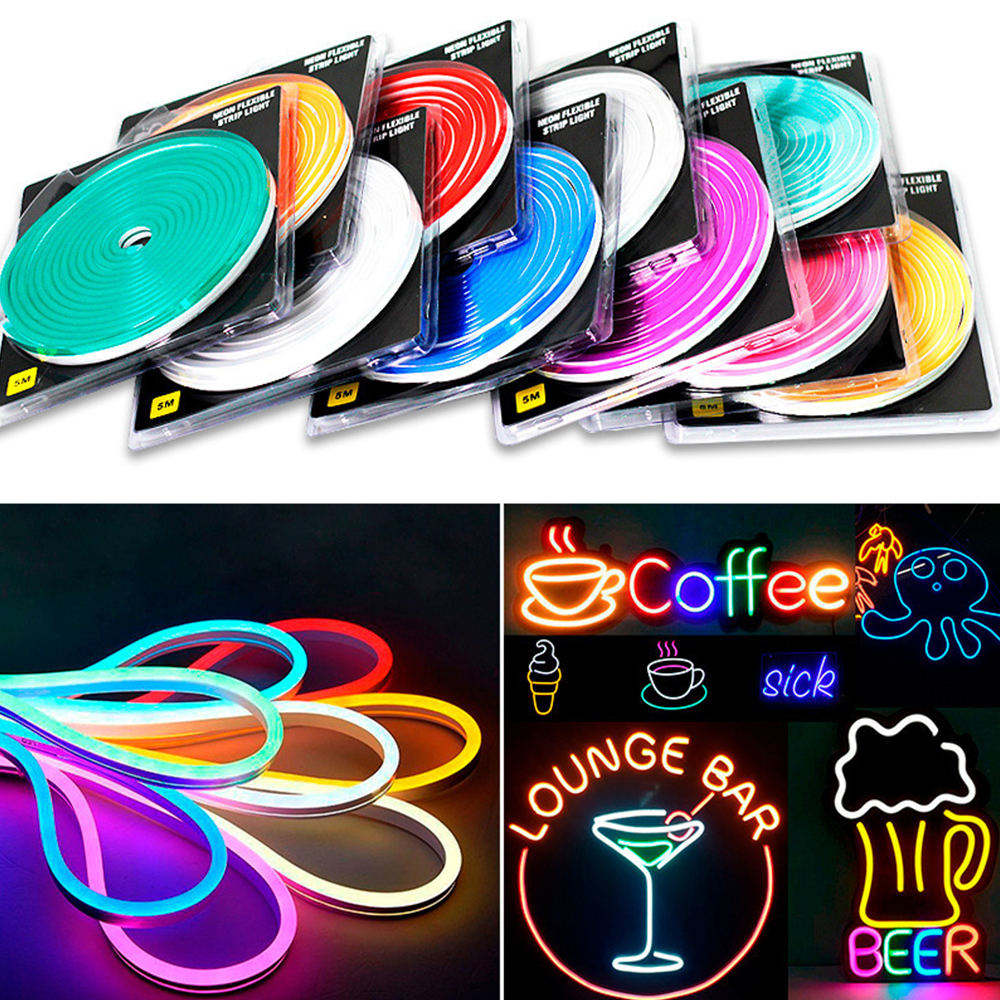
The LED driver power supply is a power converter that converts the power supply to a specific voltage current to drive the LED light -emitting power supply. Usually: the input of LED drive power includes high -voltage frequency AC (that is, city power), low -voltage DC, high voltage DC, low voltage high, high voltage high Frequent communication (such as the output of electronic transformers) and so on.
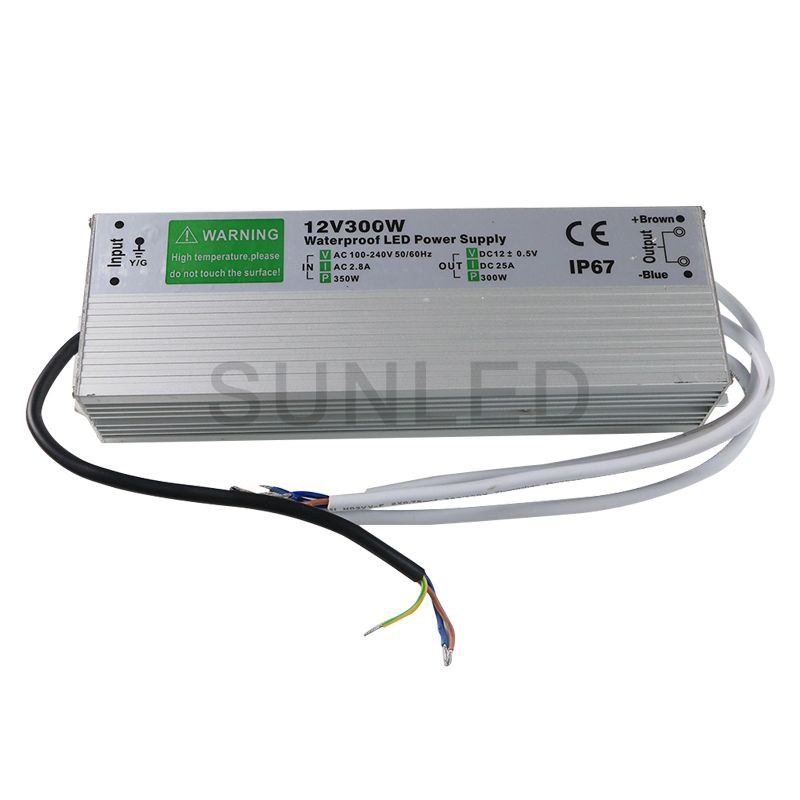
The output of the LED drive power supply is mostly the constant current source that can change the voltage with the changes in the value reduction of the LED forward voltage.
1. High reliability is particularly like the driver power of LED street lights, which is installed at a high altitude. It has a waterproof aluminum shell drive power. If the quality is good, it is not easy to break and reduce the number of maintenance times.
2. High -efficiency LED is an energy -saving product, and the efficiency of driving power is high. It is particularly important for the structure of the power supply in the lamp. Because the luminous efficiency of LED decreases with the rise of the LED temperature, the heat dissipation of LED is very important. The efficiency of the power supply is high, its loss of weight is small, and the heat in the lamp will be small, and the temperature of the lamp is reduced. It is beneficial to delaying the light failure of LED.
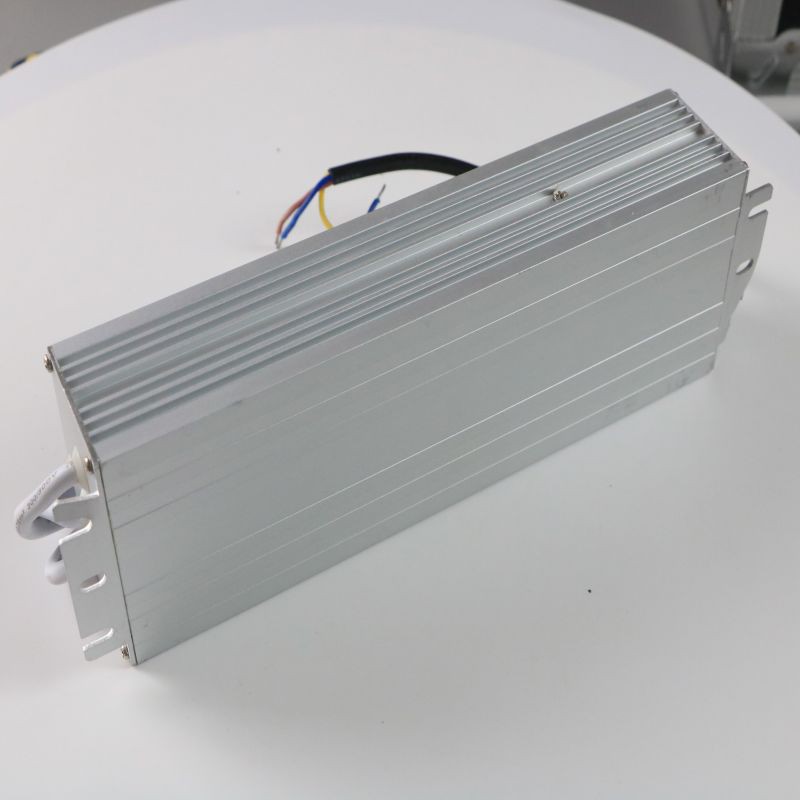
3. High -power factor power factor is the requirements of the grid for loads. Generally, electrical appliances below 70 watts have no mandatory indicators. Although a single power factors with a small power of power have little effect on the power grid, everyone lights up at night. The same type of load is too concentrated, which will cause more serious pollution to the power grid. For the LED driver power of 30 watts ~ 40 watts, it is said that in the near future, there may be certain indicators requirements for power factor.
4. There are two types of driving methods: one is one of the sources of constant voltage voltage for multiple constant current sources, and each constant current source supplys each LED separately. In this way, the combination is flexible, the LED failure all the way, does not affect the work of other LEDs, but the cost will be slightly higher. The other is to directly supply power supply, LED connects or connects parallel. Its advantage is that the cost is lower, but the flexibility is poor, and it is necessary to solve a LED failure, which will affect other LED operations. These two forms coexist for a period of time. The power supply method of multi -way constant currents will be better in terms of cost and performance. Maybe it is the mainstream direction in the future.
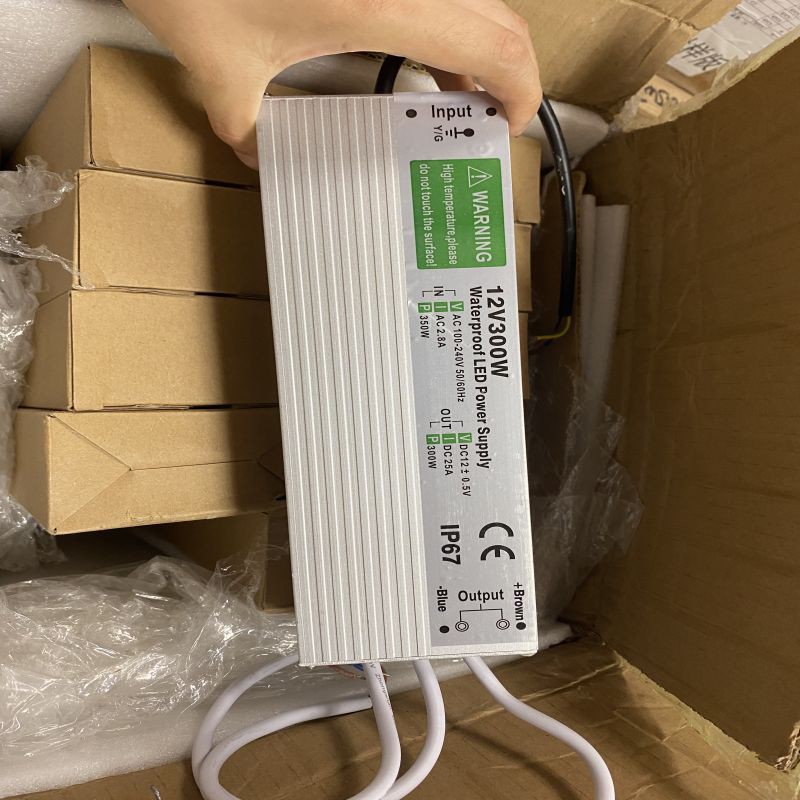
5. The ability to protect the LED anti -waves is relatively poor, especially the anti -reverse voltage capacity. Strengthening protection in this area is also important. Some LED lights are installed outdoors, such as LED street lights. Due to the opening of the power grid load and the induction of lightning strikes, the grid system will invade various waves, and some waves will cause LED damage. Therefore, the LED -driven power supply must have the ability to suppress the surging invasion and protect the LED that is not damaged.
6. In addition to the conventional protection function, the protection function power supply is best to add LED temperature negative feedback to the constant current output to prevent the LED temperature from being too high.