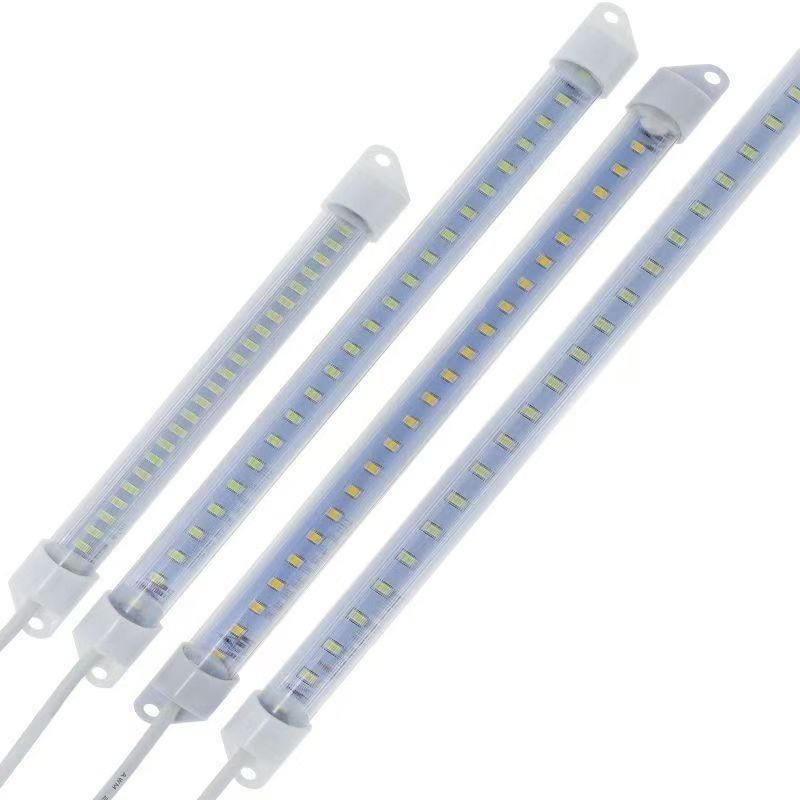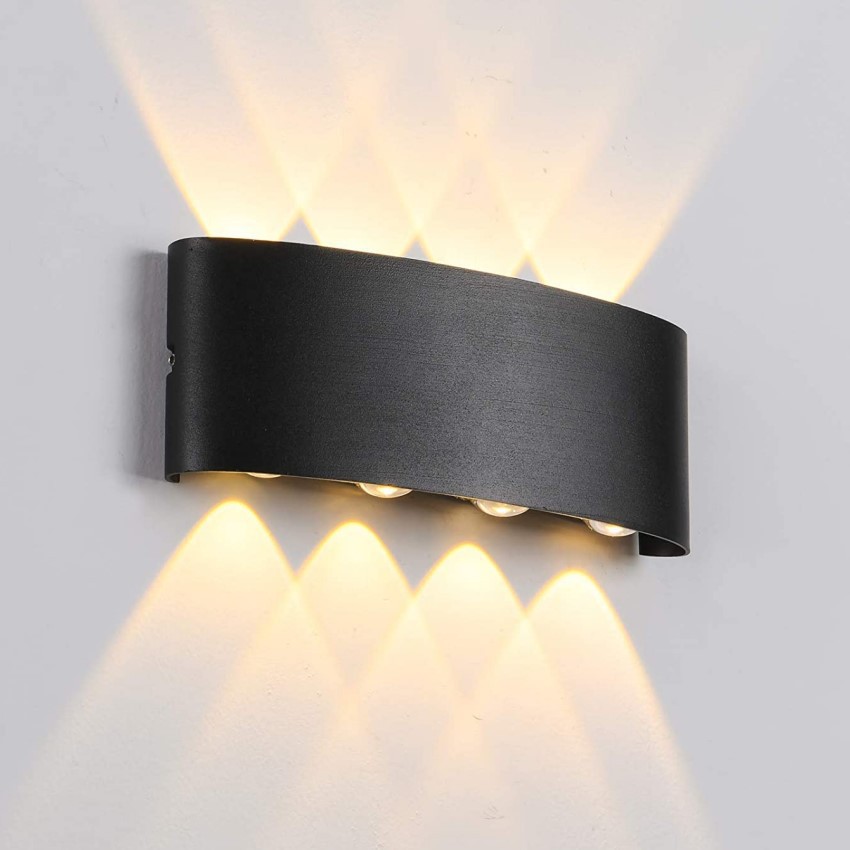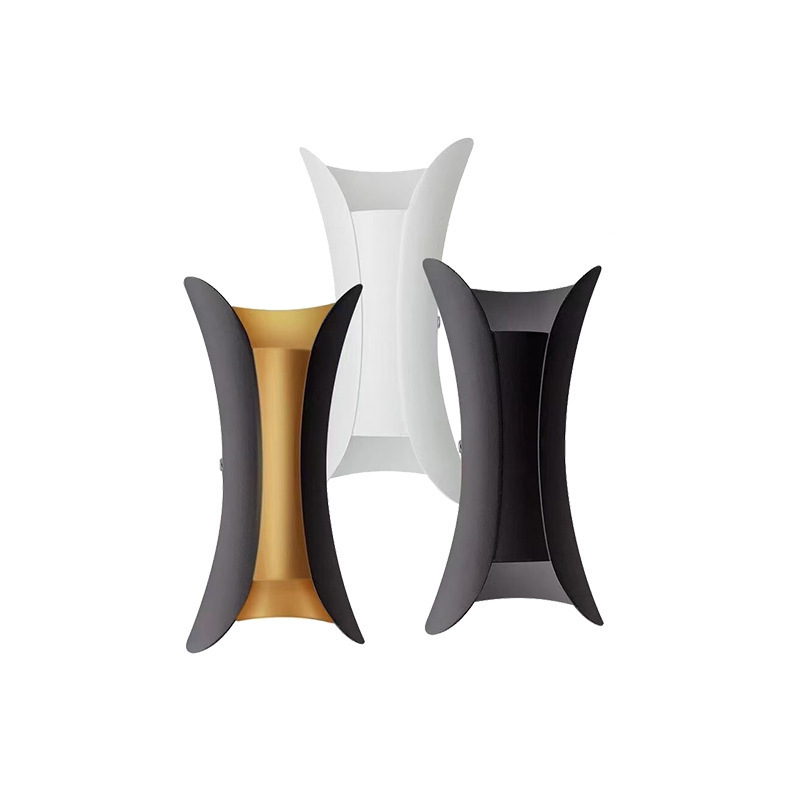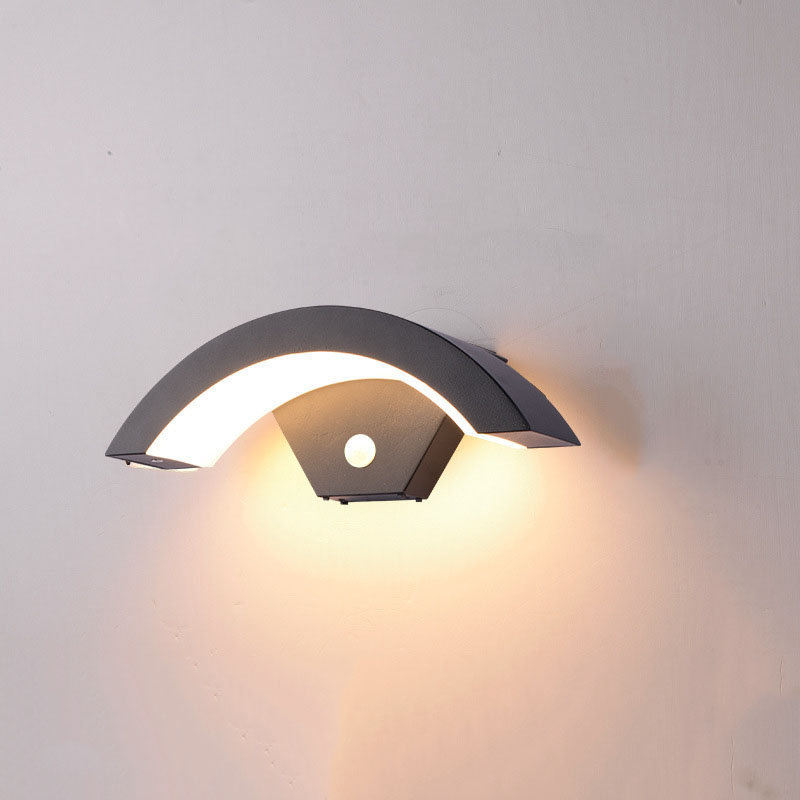

SUNLED Lighting: Your Premier LED Bulb Manufacturer!
Shenzhen SUNLED Lighting Co., Ltd. was established in November 2012. It is an enterprise integrating R&D, production and trade. It mainly produces LED lighting products.
Highly Efficient Production
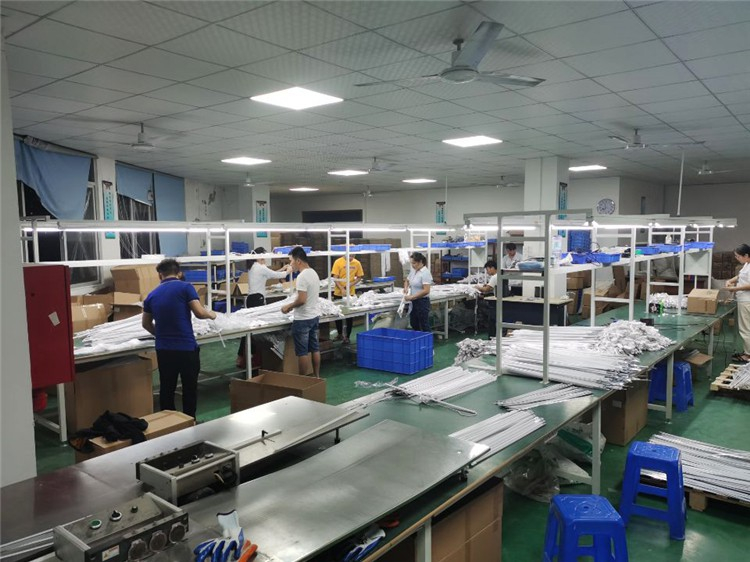
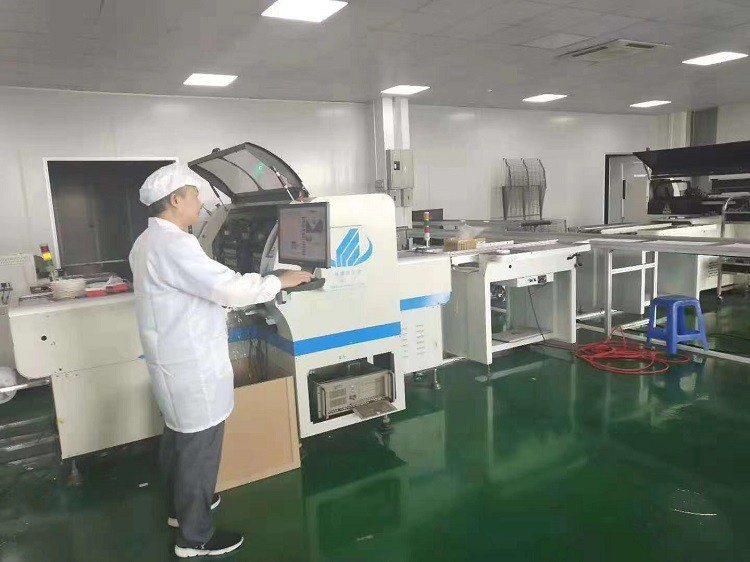
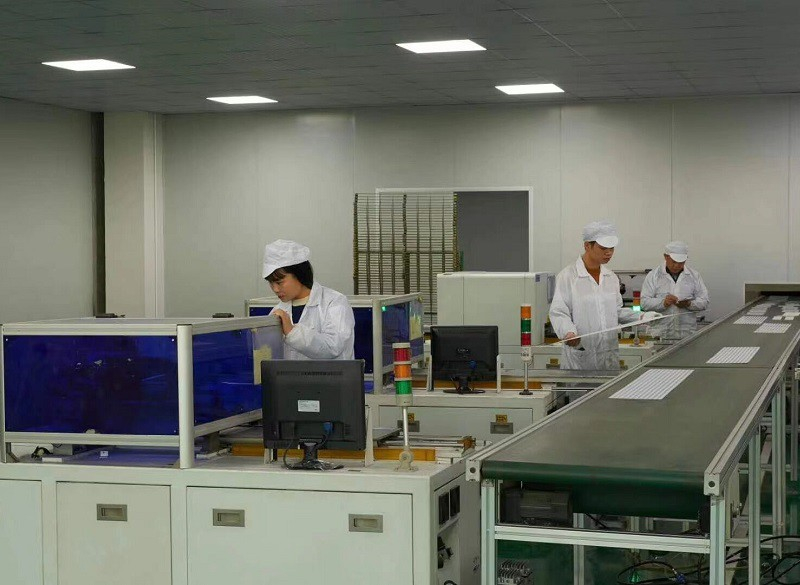
We have independent factories for product production. The company's production department has 30-50 employees, and has 4 complete production lines, 4 placement machines and a complete set of LED testing equipment. The daily output of LED products reaches 20,000 pieces.
Strong R&D Capabilities
We have a R&D team composed of several senior engineers in the LED industry, focusing on the improvement of existing products and the development of new LED products. We can not only provide customers with solutions but also customize LED products according to requirements.
High Quality Guarantee
In terms of raw materials, we mainly use chips imported from Taiwan, and the quality of every product we produce meets customer requirements. Our products are produced under a strict quality control system, the defective rate will be less than 0.2%, and the products are provided with a 2-5 year warranty.
Fast Delivery
It only takes 3-5 days for us to produce samples, and only 1-2 weeks for mass production. We can quickly package and send the finished products to you. We have cooperated with international logistics companies such as DHL, UPS, FedEx and TNT, and can deliver products to all parts of the world on time.
-
![Snowflake Light Outdoor]()
-
![High Quality Led T5 Tube Light 1.2m Led Tube Light]()
-
![T8 Led Tube Light Glass Material Tube Lights Led]()
-
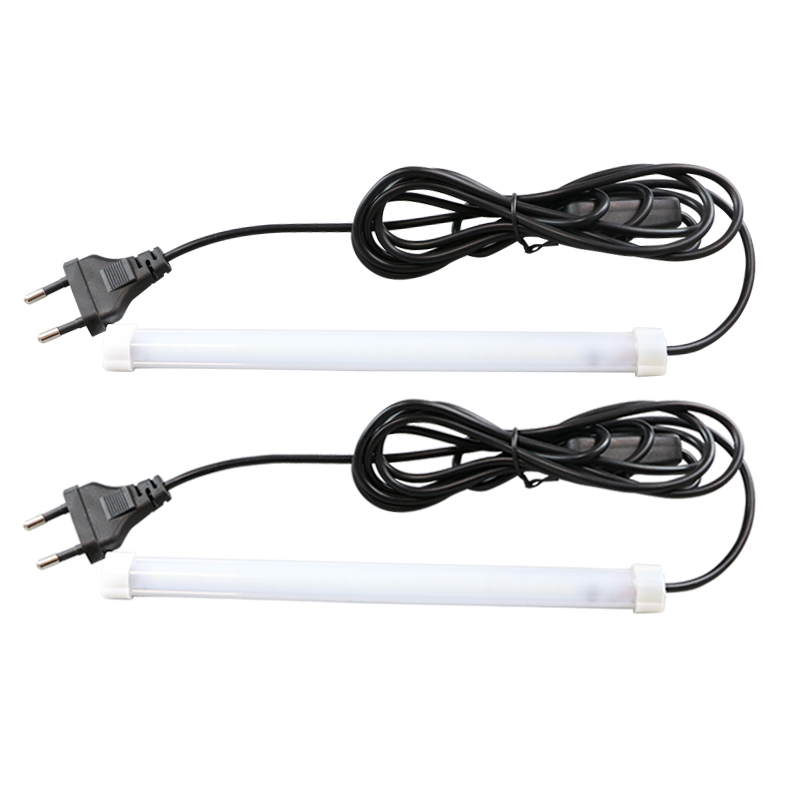
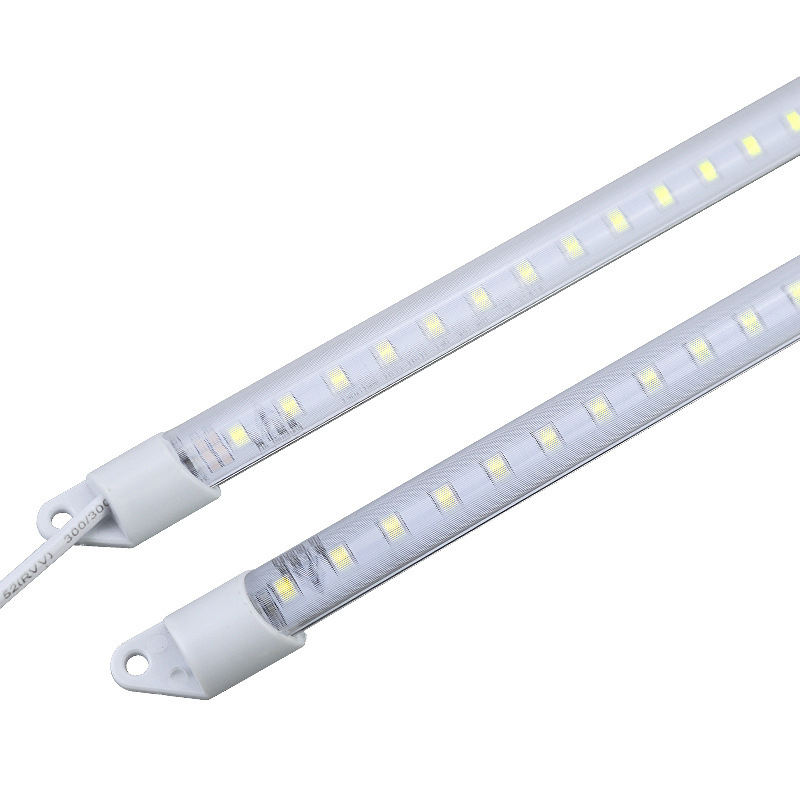
![18W LED Plant Light Bar Smd2835 for Flowers Wreaths And Plants]() 18W LED Plant Light Bar Smd2835 for Flowers Wreaths And Plants1.2m long led plant light barview more
18W LED Plant Light Bar Smd2835 for Flowers Wreaths And Plants1.2m long led plant light barview more
ac220v
plant light -
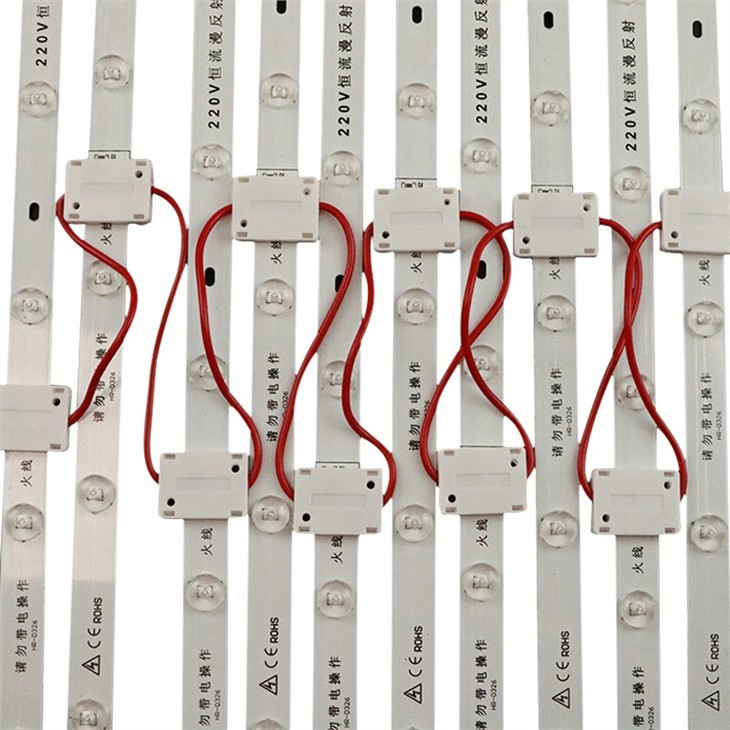
![LED Diffuse Light Bar]()
-
![Candle Bulb Light]()
-
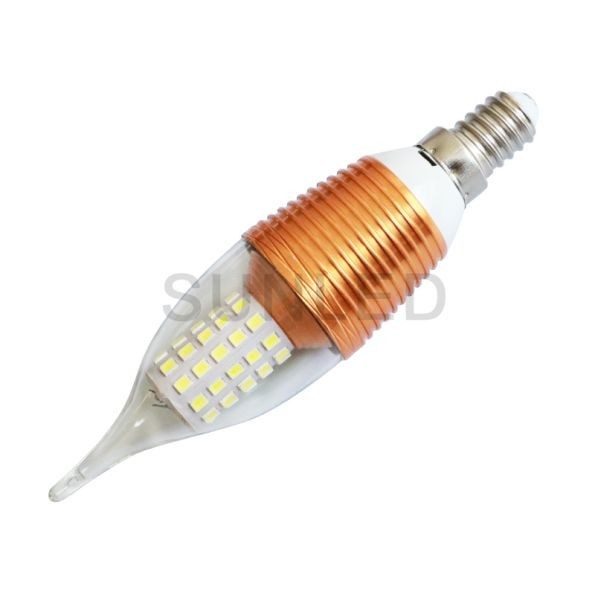
![Tungsten Filament Candle Bulb]() Tungsten Filament Candle BulbTungsten filament candle bulbview more
Tungsten Filament Candle BulbTungsten filament candle bulbview more
Voltage:220v
Power:8W
Lamp base:E14


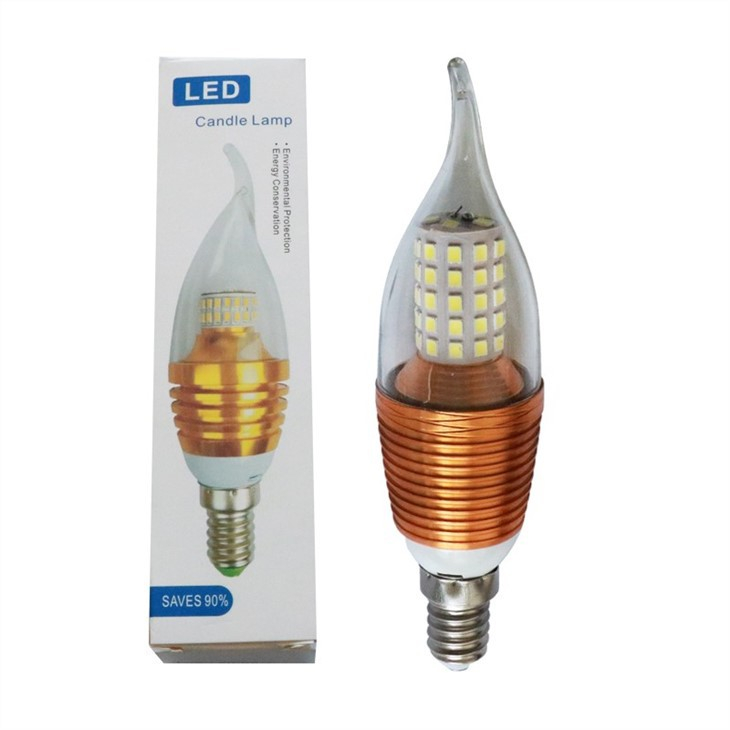
LED light bulbs or lamps utilize light-emitting diodes in order to produce light. LED is a “solid-state” technology, which means that the materials used to generate the light are encased within a solid material. Practically, this translates into a lamp with a rated life much longer than those using non-solid-state technology (such as incandescent, halogen, and fluorescent). Solid-state lighting is also much less susceptible to failure due to shock or vibration. LED lighting products produce light up to 90% more efficiently than incandescent light bulbs. How do they work? An electrical current passes through a microchip, which illuminates the tiny light sources we call LEDs and the result is visible light. To prevent performance issues, the heat LEDs produce is absorbed into a heat sink.
Different Types of LED Light Bulbs
E27 (Edison Screw)
The most common LED light bulb, and the one that you most likely have in your home, is the E27 bulb. Also known as the Edison Screw of ES, this bulb is widely used in the UK and through the Atlantic in the US. It has a screw base measuring 27mm, similar to an incandescent or halogen E27.
LED Smart Bulbs
LEDs are constantly evolving and getting smarter as the days pass. Now, you can install Smart bulbs in your home, office, or store! These fittings are remarkably convenient and versatile, giving you multiple control options, including through your smartphone or voice command! Some Smart LED bulbs can produce millions of colours and traverse through different brightness levels.
E14 (Edison Small Screw)
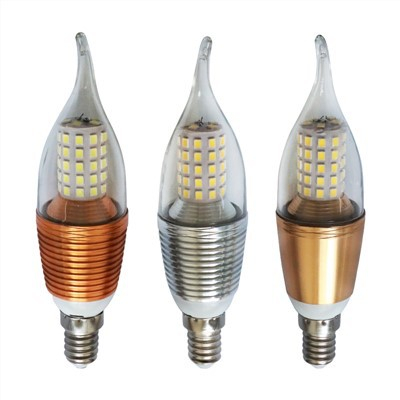
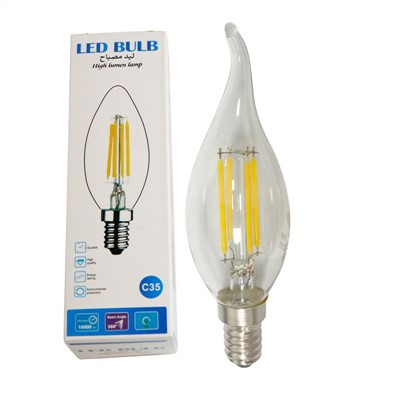
The E14 LED bulb has the same screw base as an E27 light bulb. However, it’s smaller, measuring just 14mm in diameter. It’s suitable for small light fixtures used as decorations, chandeliers, and appliances!
R50
R50 light bulbs, also known as reflector bulb, features a screw base similar to an E14 bulb. The only difference between the two is the flatter top of the bulb to accommodate other light fixtures and applications.
B22 (Bayonet)
Another famous LED light bulb in the West is the B22 bulb or Bayonet fitting. It has a 22mm diameter and is typically seen in lampshades.
B15 (Small Bayonet)
B15 is the smaller version of the B22 light bulb. It only has a 15mm diameter, perfect for smaller lamp holders.
R63
The R63 is a reflector bulb with an E27 screw base and a protruding bulb cap. It’s made to cater to light fixtures that require such a design.
PAR38
The PAR38 LED light bulb contains a massive amount of lumens and is ideal for areas where absolute brightness is necessary. It has a screw base and is primarily found in security, workshops and commercial lighting.
Components of LED Bulb
LED Chips/Diodes
The light emitting diode is the part of the bulb that generates the light, and it’s made up of semiconductors that emit light when a current passes through. A bulb might have one diode or multiple, which is called an LED array. They will all do the same job of giving off light when powered by a current.
LED Drivers
The job of the driver in an LED light bulb is to control the electrical current - stepping it down from AC to DC, and maintaining a consistent level to avoid damaging the lights. LED lighting isn’t like older incandescent bulbs that work on the AC power of your home circuit board. You need it to be changed to DC - which is what the driver does.
Heat Sink
A heat sink is an extremely important part of your LED lighting. Light emitting diodes don’t work well with high temperatures, so the heat produced by the lights needs to be diverted away. LED light bulbs are much more efficient than traditional light bulbs, in that most of the energy is converted into light output.
Bulb Cover
The bulb cover acts as a lens for your LED lighting. It helps to diffuse the LED light output across a wider space - so instead of seeing a tiny chip-sized light, you get a full glowing bulb. Some LED bulbs now have clear covers, to look more like older incandescent light bulbs - this is just a design choice.
Housing
The housing is the middle section of your LED bulbs, and its job is to protect the circuitry inside. It’s usually aluminum-lined, and it contains a metal plate which is the heat sink to draw heat away from the diodes.
Bulb Base
The base is the part of the light bulb that connects to the light fixture. LED bulb bases for standard bulbs are the same as older lights, with a range of sizes and styles available depending on the design of the bulb.
Benefits of LED Bulb
Long Life
Long lifetime stands out as the number one benefit of LED lights. LED bulbs and diodes have an outstanding operational life time expectation of up to 100 hours. This is 11 years of continuous operation, or 22 years of 50 percent operation. If you leave the LED fixture on for eight hours per day, it would take about 20 years before you'd have to replace the LED bulb.
Energy Efficiency
LED lights use about 50 percent less electricity than traditional incandescent, fluorescent and halogen options, resulting in substantial energy cost savings, especially for spaces with lights that are on for extended periods. LEDs also aim light in a specific direction. This directional lighting capability reduces wasted light and energy.
Ecologically Friendly
LED lights are free of toxic chemicals. Most conventional fluorescent lighting bulbs contain a multitude of materials such as mercury that are dangerous for the environment. LED lights contain no toxic materials and are 100 percent recyclable, and will help to reduce your carbon footprint by up to a third.
Durable Quality
Without filaments or glass enclosures, LEDs are breakage resistant and largely immune to vibrations and other impacts. LEDs, on the other hand, tend not to use any glass, instead they are mounted on a circuit board and connected with soldered leads that can be vulnerable to direct impact, but no more so than mobile phones and similar small electronic devices.
Zero UV Emissions
LED illumination produces little infrared light and close to no UV emissions. Because of this, LED lighting is highly suitable not only for goods and materials that are sensitive to heat due to the benefit of little radiated heat emission, but also for illumination of UV--sensitive objects or materials such as in museums, art galleries, archeological sites, etc.
Design Flexibility
LEDs can be combined in any shape to produce highly efficient illumination. Individual LEDs can be dimmed, resulting in a dynamic control of light, color, and distribution. Well-designed LED illumination systems can achieve fantastic lighting effects, not only for the eye, but also for the mood and the mind.
Operational in Extremely Cold or Hot Temperatures
LEDs are ideal for operation under cold and low outdoor temperature settings. For fluorescent lamps, low temperatures may affect operation and present a challenge, but LED illumination operates well also in cold settings, such as for outdoor winter settings, freezer rooms, etc.
Light Dispersement
LED is designed to focus its light and can be directed to a specific location without the use of an external reflector, achieving a higher application efficiency than conventional lighting. Well-designed LED illumination systems are able to deliver light more efficiently to the desired location.
Instant Lighting and Frequent Switching
LED lights brighten up immediately when powered on, which has great advantages for infrastructure projects such as traffic and signal lights. LED lights can also be switched off and on frequently and without affecting the LEDs lifetime or light emission.
Low Voltage
If your business is in a location where flooding may occur, you want to be able to light your facility with devices that require as little voltage as possible. LEDs are perfect for this because they operate on very low voltage. When you use a low-voltage system in areas that may be prone to flooding, you are protecting your staff and others from potentially harmful or fatal shocks.
Applications of LED Bulb
Office and Retail Stores
Office spaces are becoming one of the most common LED lighting applications. In today's business world, owners and managers are placing more emphasis on the overall well-being of their employees by making sure the environment they are working in is a great one. One way in which they are doing this is through lighting. By switching to LED lighting, offices can offer bright light for their employees. This helps them see better and experience less eye fatigue. Additionally, the color of the light can help brighten moods and comfort.
Warehouses and Factories
Warehouses involve a large number of physical operations either performed directly by the staff or using machines such as forklifts. To guarantee safe operations and reduce the rate of accidents and operation downtime, warehouses benefit from bright LED lights to illuminate the workspace. Factories additionally benefit from LED lighting systems because they are properly designed to manage heat well and can operate in any environment, be it hot, cold, or warm.
Healthcare
Lightning applications in hospitals are wide and varied as each space has a unique purpose with a specific lighting requirement. There are different requirements for treatment areas, observation areas, ward areas, waiting and circulation spaces, and operation theatres, each to serve the purpose of the area. Because of these broad and varied lighting applications, healthcare facilities use LED lights to illuminate hospitals depending on the specific design criteria required.
Signals and Indicators
One area that LEDs have really excelled in are when used as signals or indicators. The applications range in size from as small as the indicator light on the "caps lock" key on your keyboard, all the way up to traffic lights and exit signs. In regards to exit signs, LEDs have been proven to be a great solution for them due to their long life and energy efficiency.
Street Lights
A majority of street lights illuminating the dark streets and highways at night are actually LED lights. Municipalities and governments realized that the initial upfront cost for LED lighting is justified by the savings made in the operational costs over the lifespan of the lights. Compared to other lighting sources, LEDs have much lower maintenance costs and a significantly longer life span.
Showrooms
Showroom owners use LED lighting to save costs and provide both general and specific lighting to their spaces. LED lighting helps them highlight products and key features and also provides general lighting for the areas that need to be illuminated. LED lighting is perfect for apparel, automotive, and electronics appliances showrooms.
Parkings and Garages
Parking lots, car dealerships and garages all need high lumen outputs to properly operate and LED lights can easily provide high illumination levels in these spaces to ensure comfortable and safe operation, specifically where mechanics require bright lights for repairing detailed features in vehicles.
Stadiums and Sports Venues
Stadium lighting has a very particular set of standards and regulations to follow for the lighting levels and the installation of lights on the ground. With the advancement of technology, the standards for stadium lighting for professional sports pitches have become much more stringent, driving business owners to more rapidly adopt the use of LED lights to illuminate the arenas.
The Manufacturing Process of LED Bulb
Step #1 Design and Planning
Before any materials can be used, the design and planning for the LED bulbs must take place. This includes things such as determining the size, shape, and power of the bulb, as well as any additional components that may be needed.
Step #2 Raw Materials
Once the design is finalized, the raw materials can then be acquired in order to begin production. The most common materials used are epoxy resin, metal alloys, plastic components, and glass components.
Step #3 Assembly
The raw materials are then assembled together, following the specific design plan that was created earlier in the process. This can involve a variety of methods, including soldering and screwing in components.
Step #4 Testing
Once the assembly is completed, the bulb will undergo a series of tests to ensure that everything is functioning correctly and up to the highest standards. This can include things such as voltage testing, light output testing, current flow testing, and more.
Step #5 Packaging
Once the LED bulb has passed all its tests, it can then be packaged for shipping. The packaging must be designed to protect the bulb from any potential external damage, such as moisture or temperature changes.
How to Choose LED Light Bulbs for Your Home?
LED Bulb Shapes and Sizes
LED bulbs come in four primary categories: A-shape, reflectors, decorative, and specialty. A-shape LEDs are the most common type and are frequently used throughout the home. When you think of a light bulb, you typically picture an A-shape bulb. Reflectors are often used for outdoor lighting; you’ve probably heard them referred to as flood or spotlights. They’re conical in shape and cast a more defined beam. Decorative LEDs are a stunning addition to wall sconces, chandeliers, or other exposed-bulb fixtures. They’re often smaller to fit within fixtures, but also come in a variety of larger globes or vintage style shapes to complement any home décor style.
From Watts to Lumens
If you’ll be using LEDs to replace incandescent or halogen bulbs, it’s important to understand the difference between a watt and a lumen. Watts are a measure of energy consumption. Lumens are a measure of the amount of light produced, where a higher number of lumens indicates a brighter bulb. A bulb’s efficiency is measured in lumens per watt, which describes how much energy it takes to produce one lumen of light. Incandescent bulbs only produce around 15 lumens/watt, while LEDs produce a whopping 75-100 lumens/watt, making them six times more efficient.
Warm and Cool LEDs
LEDs have diverse capabilities, including a customizable tone. Tone refers to the color quality of light, which is measured in Kelvin (K). Lower Kelvin light, between about 1000 and 4000K, is qualified as “warm light” and has an amber quality to it. Higher Kelvin light, which is anything above 7000K has a blue quality. The range between 4000 - 7000 Kelvin is relatively neutral in tone. In rooms where you’d like to relax, a warmer tone helps set a cozy mood. In utility rooms, kitchens, and bathrooms, a cooler, clearer light might be more ideal.
LED Bulb Dimmability and Compatibility
Another aspect of LED customization is dimmability, and compatibility with your dimmer switch. Not all LEDs are compatible with every dimmer switch. The best place to look to ensure your switch and bulbs will work together is in the manufacturer spec sheet or dimmer compatibility sheet included with your bulb or switch. If you have any questions, it’s best to contact the bulb or switch manufacturer directly. They’ll have the most accurate information on your specific products.
LED Retrofitting
An LED retrofit refers to the conversion of an existing fixture to accommodate an LED. This is commonly practiced with LED tube lights, strip or shop light fixtures used in work areas, troffer lights above desks and cubicles, or with outdoor vapor-tight fixtures. Retrofitting your fixtures can save energy and money, while improving lighting quality and the safety of your environment. However, retrofitting is not always possible and can limit your ability to use dimmer switches.
LED Bulb Lifespan
Thanks to its efficient nature, a good quality LED bulb should have a life of up to 50,000 hours. So, you’ll not only be using less power, but you won’t need to change your light bulb as often. Additionally, GE LED bulbs are ENERGY STAR certified, for lower energy bills, reduced emissions, and rebates on select products.
Tips for Optimal Performance and Longevity
Determine Installation Environment
Begin by identifying the installation environment of your LED lights. This step allows you to tailor your maintenance schedule according to the usage context, safeguarding your lights against external factors that might impact their performance.
Ensure Cleanliness
Keep your LED lights clean by using a soft cloth and non-alcoholic cleaning solution to gently wipe their surfaces. Regular cleaning helps maintain clear illumination and optimal performance.
Adjust Lighting and Operating Environment
To maintain optimal LED performance, ensure proper lighting and operating conditions. Avoid exposing the lights to extreme heat, high humidity, or environmental stressors that could affect their operation.
Replace Faulty Components
Regularly inspect and promptly replace any faulty components such as bulbs or wiring. This ensures your lights operate efficiently and safely.
Prevent Mechanical Shock
Handle your LED lights with care to avoid any mechanical shocks or impacts. LEDs are sensitive to rough handling, which can result in severe damage.
Schedule Regular Inspections
Establish a routine inspection schedule to monitor the lifespan of your LED lights and perform necessary maintenance tasks in a timely manner.
Our Factory
We have an independent factory and are able to provide competitive prices. Currently, there are 2 Sanyo high-speed placement machines, 2 Samsung precision placement machines and a full set of LED product testing equipment. The daily output reaches 20,000, and the order can be delivered in time.


Our Certificates
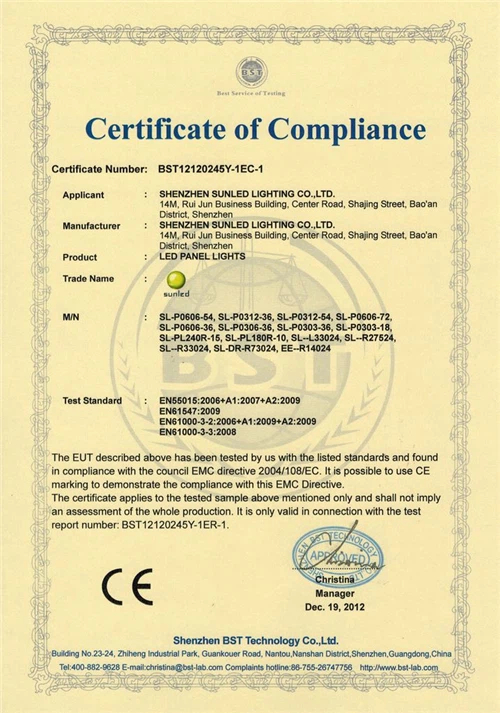
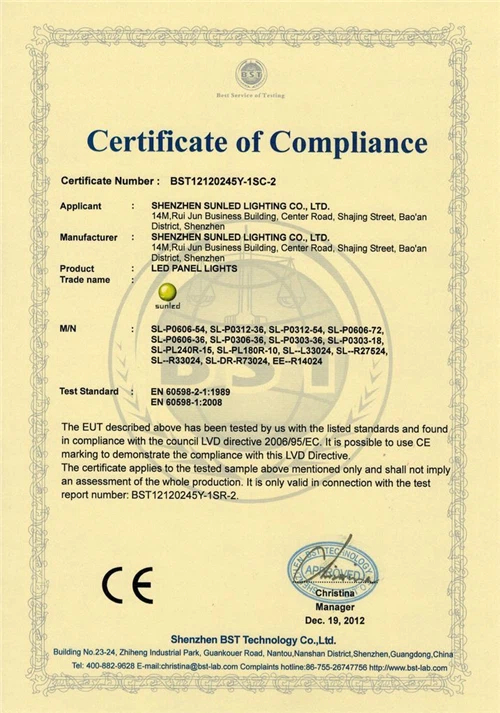
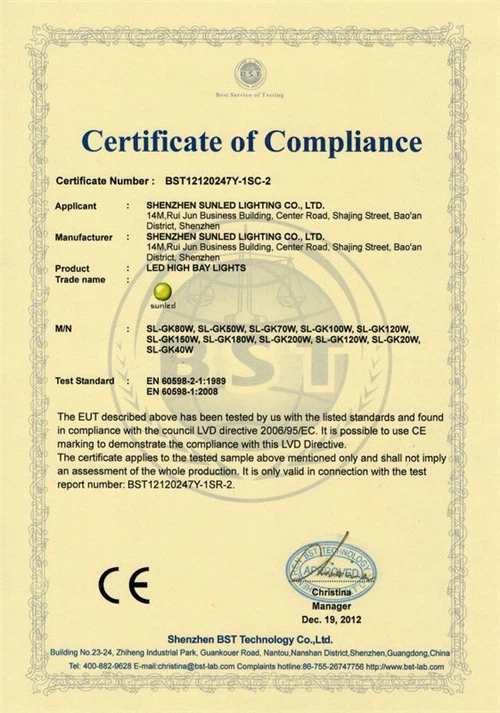
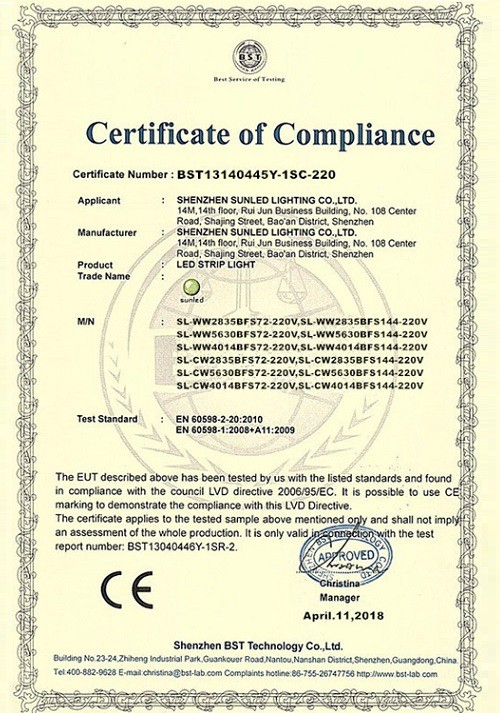
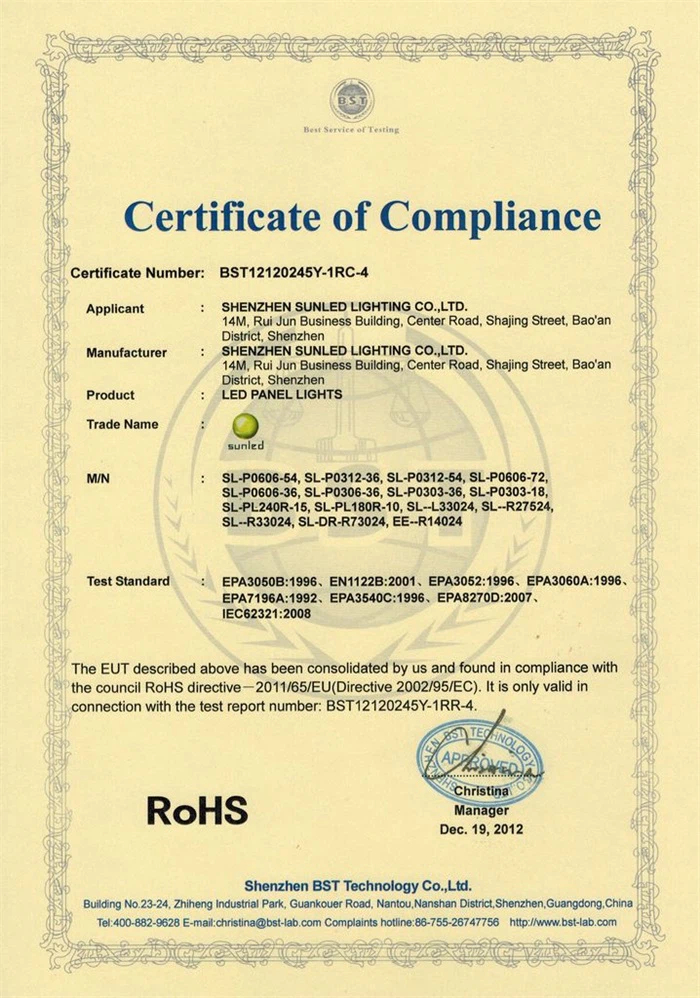
Our products are produced under a strict quality control system, comply with industry standards and have passed CE certification, and the defective rate will be less than 0.2%. The products are exported to more than 80 countries around the world and receive favorable feedback from customers.
Ultimate FAQ Guide to LED Bulb
As one of the leading led bulb manufacturers and suppliers in China, we warmly welcome you to wholesale cheap led bulb in stock here from our factory. All customized products are with high quality and low price. Contact us for more details.