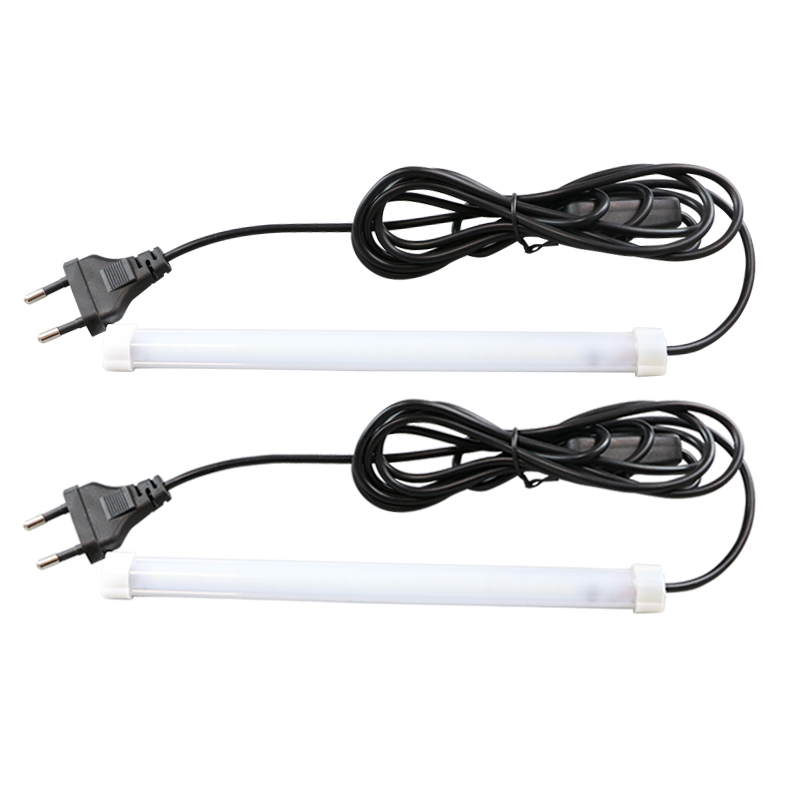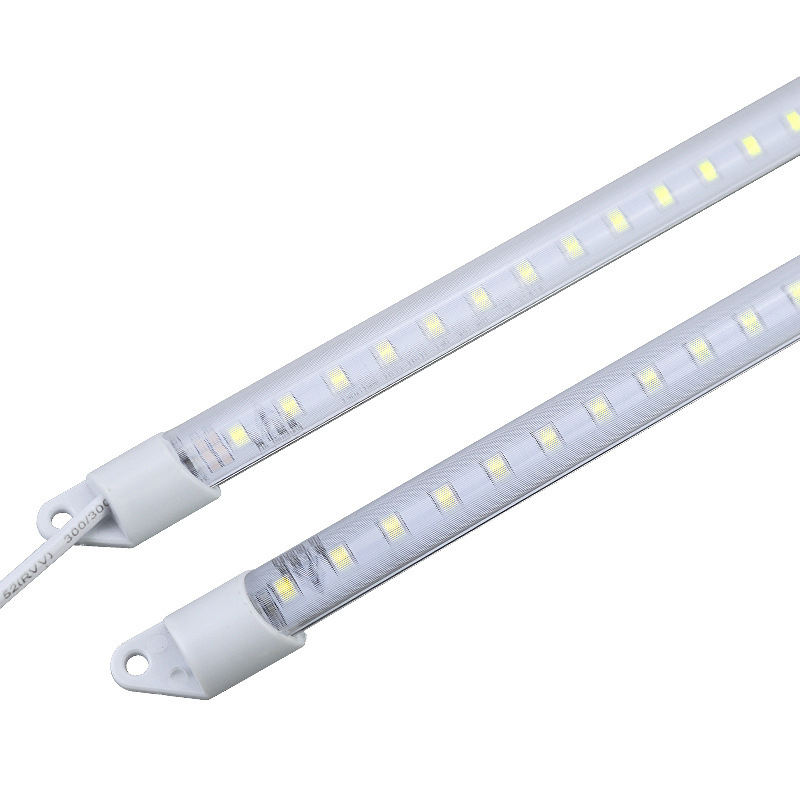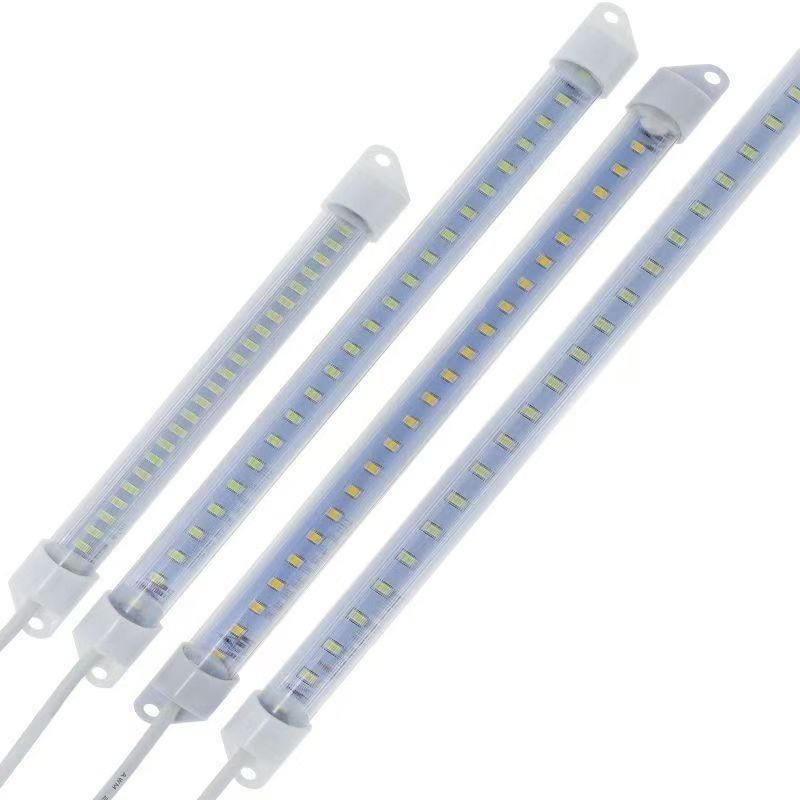

SUNLED Lighting: Your Premier LED Flexible Strip Light Manufacturer!
Shenzhen SUNLED Lighting Co., Ltd. was established in November 2012. It is an enterprise integrating R&D, production and trade. It mainly produces LED lighting products.
Highly Efficient Production
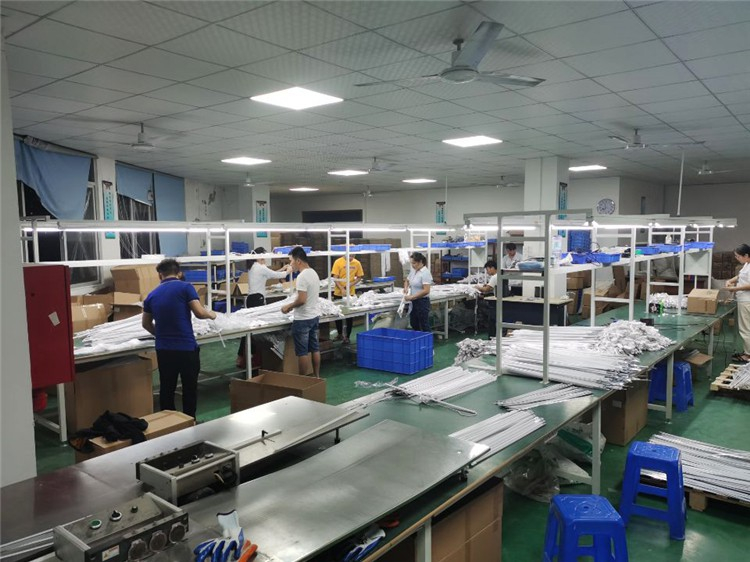
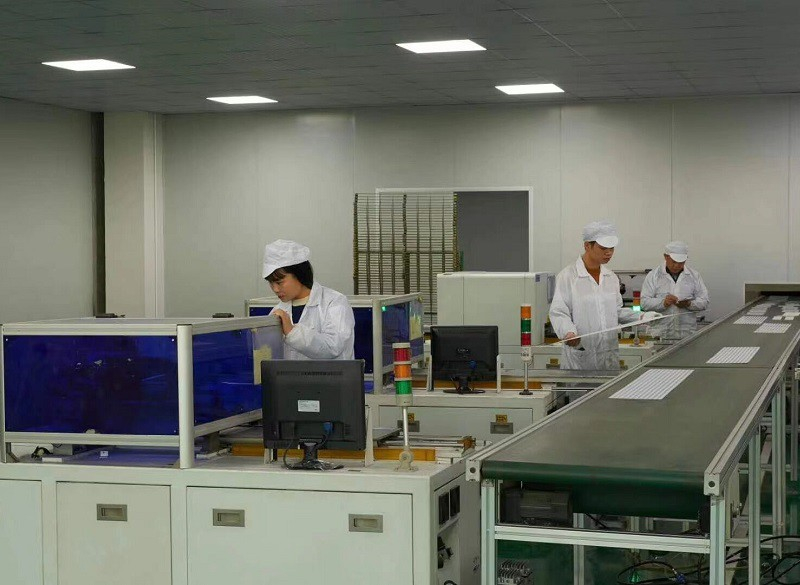
We have independent factories for product production. The company's production department has 30-50 employees, and has 4 complete production lines, 4 placement machines and a complete set of LED testing equipment. The daily output of LED products reaches 20,000 pieces.
Strong R&D Capabilities
We have a R&D team composed of several senior engineers in the LED industry, focusing on the improvement of existing products and the development of new LED products. We can not only provide customers with solutions but also customize LED products according to requirements.
High Quality Guarantee
In terms of raw materials, we mainly use chips imported from Taiwan, and the quality of every product we produce meets customer requirements. Our products are produced under a strict quality control system, the defective rate will be less than 0.2%, and the products are provided with a 2-5 year warranty.
Fast Delivery
It only takes 3-5 days for us to produce samples, and only 1-2 weeks for mass production. We can quickly package and send the finished products to you. We have cooperated with international logistics companies such as DHL, UPS, FedEx and TNT, and can deliver products to all parts of the world on time.
-
![12V LED Strip Lights]() 12V LED Strip LightsVoltage: DC12Vview more
12V LED Strip LightsVoltage: DC12Vview more
Power: 7w/m
LED CHIP: Smd2835
LED qty: 120LEDS/M
Lenght: 5m/ROLL -
![Outdoor LED Strip Lights]() Outdoor LED Strip LightsVoltage: 220Vview more
Outdoor LED Strip LightsVoltage: 220Vview more
Power: 10w/m
LED CHIP: Smd2835
LED qty: 120LEDS/M
IP Rate: IP67
Lenght: 50m,100m in roll -
![5V RGB LED Strip Lights]() 5V RGB LED Strip LightsVoltage: DC5Vview more
5V RGB LED Strip LightsVoltage: DC5Vview more
Power: 7w/m
LED CHIP: Smd2835
LED qty: 120LEDS/M
Lenght: 5m/ROLL -
![12V RGB LED Strip Lights]() 12V RGB LED Strip LightsVoltage: DC12Vview more
12V RGB LED Strip LightsVoltage: DC12Vview more
Power: 7w/m
LED CHIP: Smd2835/5050
LED qty: 120LEDS/M
Lenght: 5m/ROLL
Mobile APP can control, BT and WIFI LED light strip -
![COB LED Strip Light]() COB LED Strip LightInput Voltage: 12Vview more
COB LED Strip LightInput Voltage: 12Vview more
Lenth: 5/50/100m
Power: 7W/M
Color: Red, Green, Blue, Ice Blue -
![S Style Led Strip Light]() S Style Led Strip LightVoltage: DC12Vview more
S Style Led Strip LightVoltage: DC12Vview more
Power: 7w/m
LED CHIP: Smd2835
LED qty: 60LEDS/M
Lenght: 5m/ROLL -
![Rgb Led String Lights Outdoor]()
-
![Remote Control Diy Firework DC5v Led String Lights]()
-
![DC5V Led Light Rgb Light String]()
-
![5050 WIFI SET LED STRIP]()
-
![5050 RGB Kit Led Light Strip]() 5050 RGB Kit Led Light Strip5050 RGB Kit led light stripview more
5050 RGB Kit Led Light Strip5050 RGB Kit led light stripview more
led chip:smd5050
Number of LEDs:60leds/m
Voltage:DC12VV
controller:24 key controller -
![Rgbw+Plant Light Led Strip]() Rgbw+Plant Light Led StripRgbw+Plant Light Led Stripview more
Rgbw+Plant Light Led StripRgbw+Plant Light Led Stripview more
Voltage:DC5V
LED QTY:15pcs 5050RGB+15pcs 2835
Length:0.7M/ can be customized
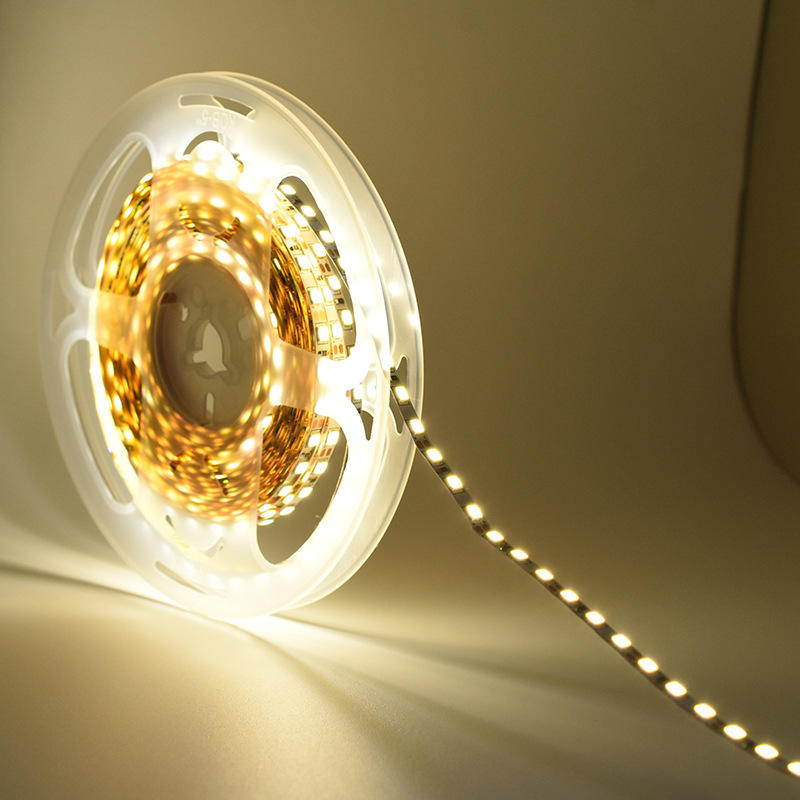
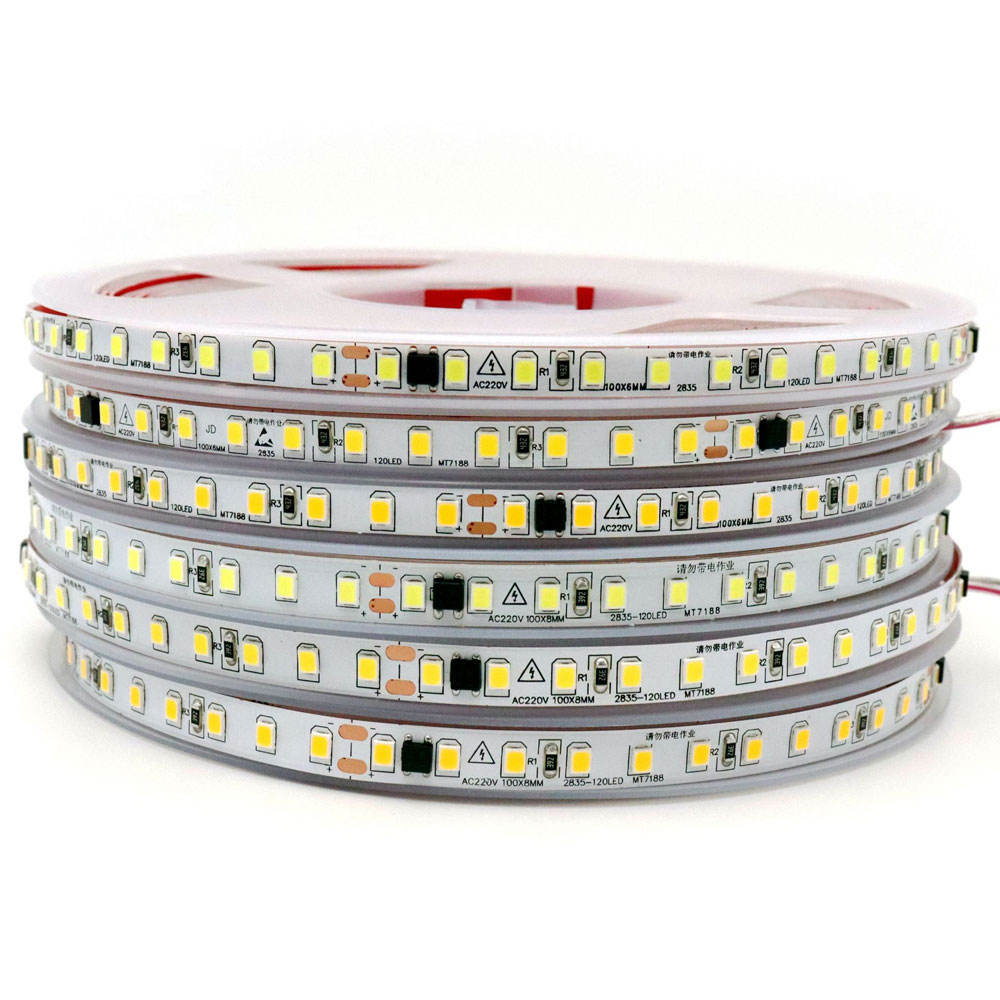
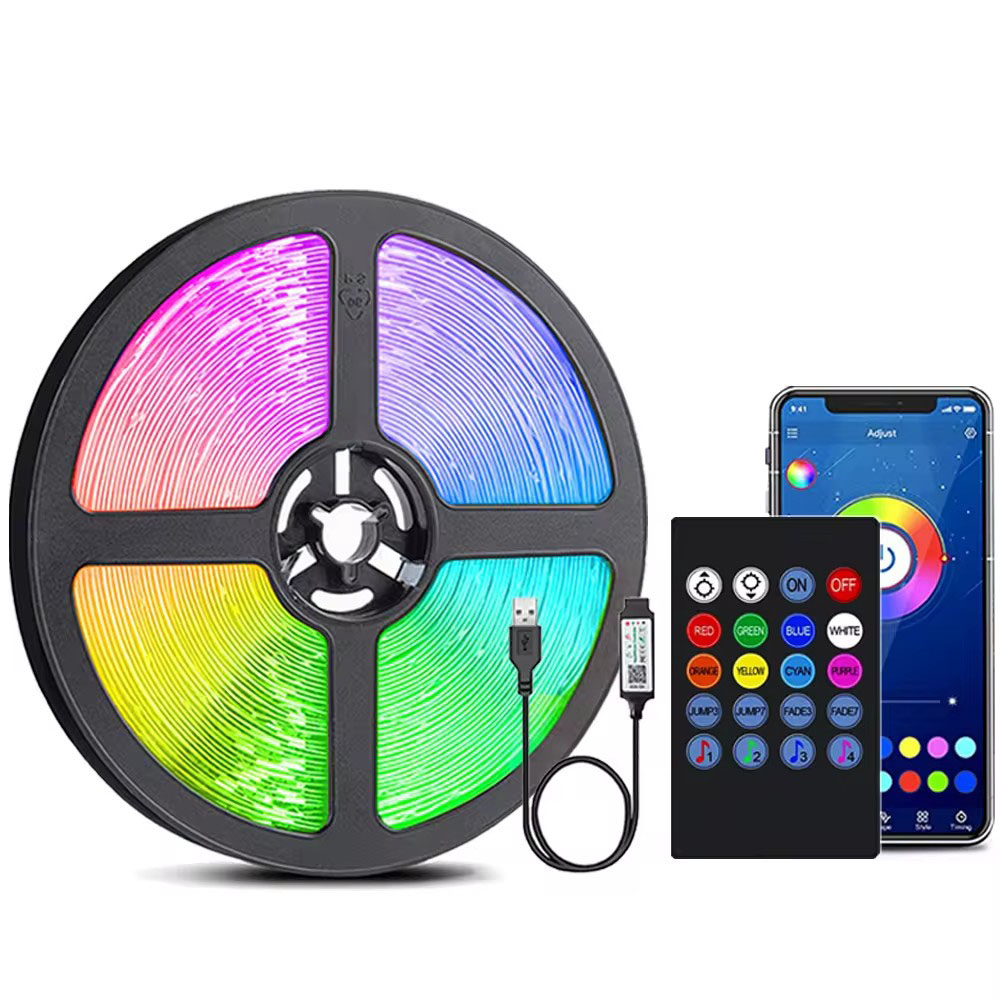
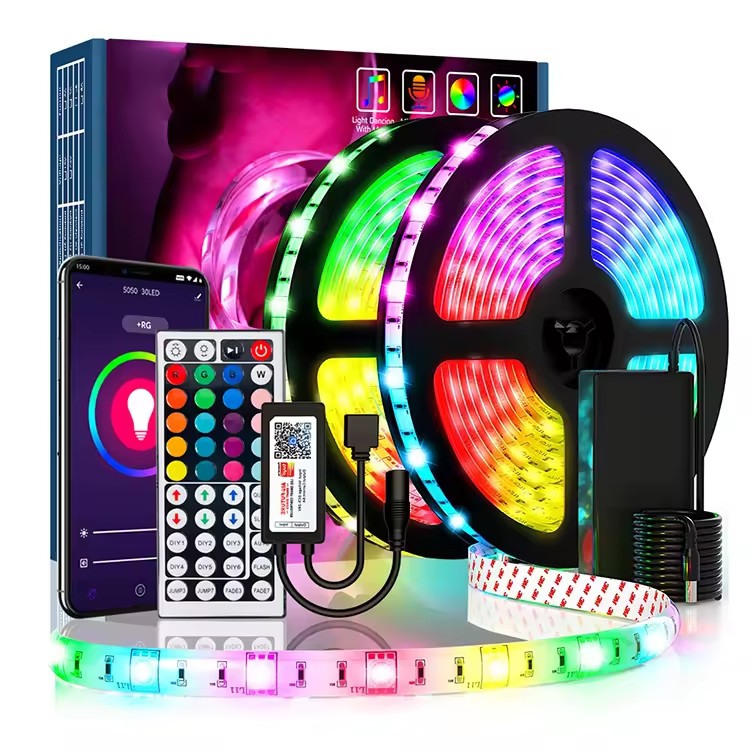
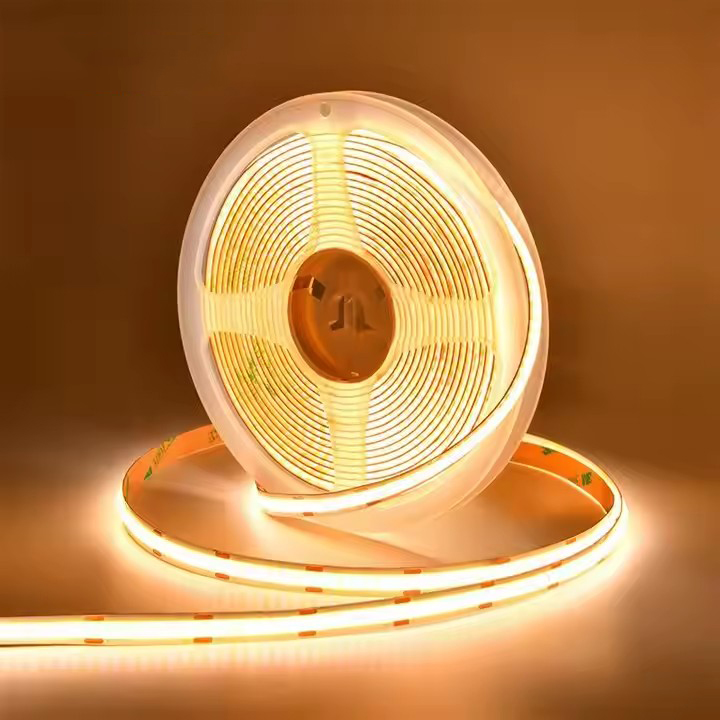
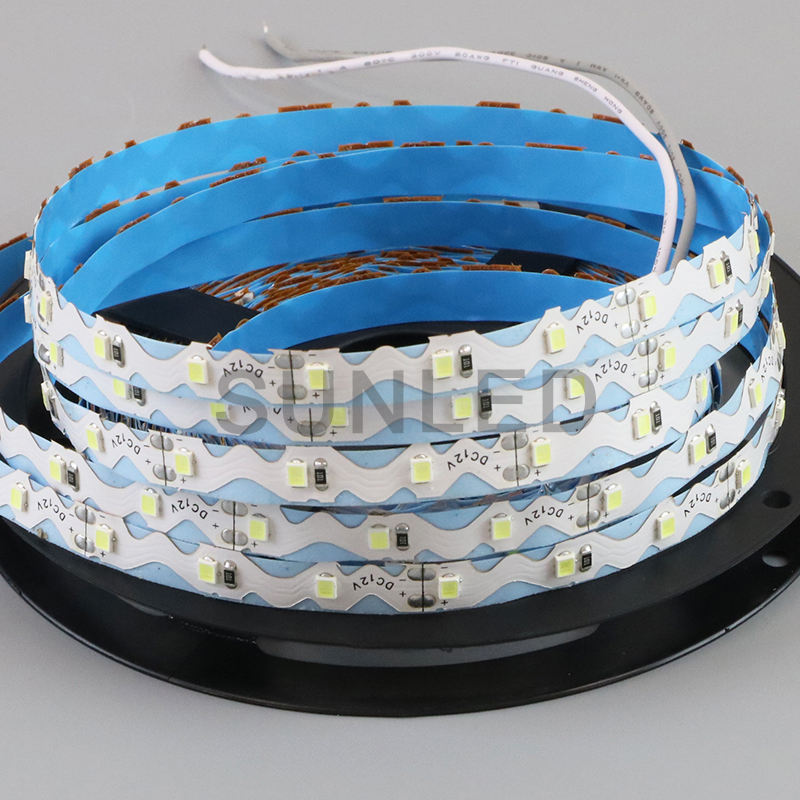


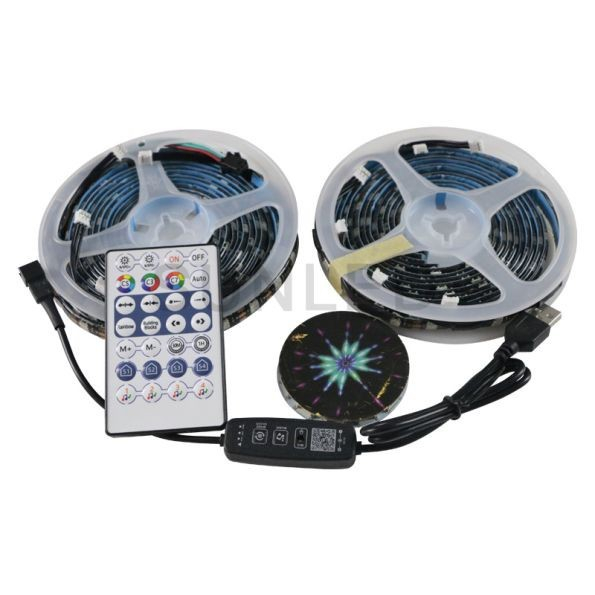
An LED strip, tape, or ribbon light is a flexible circuit board populated by surface-mount light-emitting diodes (SMD LEDs) and other components that usually comes with an adhesive backing. Traditionally, strip lights had been used solely in accent lighting, backlighting, task lighting, and decorative lighting applications, such as cove lighting. LED strip lights originated in the early 2000s. Since then, increased luminous efficacy and higher-power SMDs have allowed them to be used in applications such as high brightness task lighting, fluorescent and halogen lighting fixture replacements, indirect lighting applications, ultraviolet inspection during manufacturing processes, set and costume design, and growing plants.
Different Types of LED Flexible Strip Light
Single-Colour LED Light Strips
Single-colour LED light strips offer a simple yet versatile lighting solution that emits a stable, consistent colour. Available in standard hues such as white, red, green, or blue, each colour serves a unique purpose. White light provides clear illumination perfect for task-oriented spaces like kitchens, schools and offices. Red light generates a warm glow, ideal for relaxed or intimate atmospheres.
RGB LED Light Strips
RGB LED light strips offer an innovative solution in the world of lighting, allowing users to mix red, green, and blue primary colours to achieve a wide array of hues. Controlled by a remote or digital controller, these strips enable the manipulation of colour intensities, allowing the creation of personalized shades for different settings.
RGBW LED Light Strips
RGBW LED light strips are an evolution in lighting technology, enhancing the capabilities of RGB strips by integrating an additional white LED chip. This innovation allows for greater colour accuracy and the creation of more nuanced shades, broadening the available colour palette. They are suitable for a range of settings, from residential to commercial and outdoor environments.
Tunable White LED Light Strips
Tunable white LED light strips represent a major advancement in LED lighting, featuring the ability to modify the colour temperature from warm to cool white. This unique feature enables users to recreate various moods and atmospheres, such as the cosy ambience of a warm sunset or the vibrant brightness of a sunny day.
COB LED Light Strips
COB (Chip on Board) LED light strips are an innovative evolution in LED technology, offering superior lighting uniformity and high light output due to the densely packed LED chips on the same board. This unique configuration results in smoother, more consistent lighting, reducing shadows and providing an aesthetically pleasing effect.
Waterproof LED Light Strips
Waterproof LED light strips, designed to endure damp and water-exposed environments, are encased in a protective nano tech waterproof coating for added durability and water resistance. Their design extends their usage beyond dry, indoor locations to wet or moist areas with an IP rating of IP68.
Flexible vs. Rigid LED Light Strips
Flexible and rigid LED light strips offer different advantages to meet various lighting needs. Flexible LED strips can bend and curve to fit complex or irregular surfaces, ideal for tracing patterns, highlighting contours, or creating dynamic lighting effects on curved walls, columns, or intricate architectural elements. Their flexibility enables custom lighting designs, broadening creative possibilities.
Addressable LED Light Strips
Addressable LED light strips revolutionise customisable lighting by allowing each LED on the strip to be controlled individually. This feature facilitates the creation of complex patterns, gradients, and effects, transforming the LED strip into a dynamic canvas of light. The design flexibility of these strips extends from creating ambient mood lighting with slow colour transitions to crafting vibrant, music-synchronised light displays.
LED Strip Color Options
White
LED strip lights are available in various shades of whites or colors. Generally, white light is the most useful and popular option for indoor lighting applications. In describing the different shades and qualities of white, color temperature (CCT) and color rendering index (CRI) are two metrics that are important to keep in mind. Color temperature is a measure of how "warm" or "cool" the light's color appears. The soft glow of a traditional incandescent bulb has a low color temperature (2700K), while the crisp, bright white of natural daylight has a high color temperature (6500K).
Fixed and Variable Color
Sometimes, you might need a punchy, saturated color effect. For these situations, colored LED strips can offer great accent and theatrical lighting effects. Colors across the entire visible spectrum are available - violet, blue, green, amber, red - and even ultraviolet or infrared. There are two primary types of colored LED strip: fixed single color, and color changing. A fixed color LED strip emits just one color, and the operating principle is just like the white LED strips we discussed above. A color-changing LED strip consists of multiple color channels on a single LED strip. The most basic type will include red, green and blue channels (RGB), allowing you to dynamically mix the various color components on the fly to achieve virtually any color.
Components of LED Flexible Strip Light
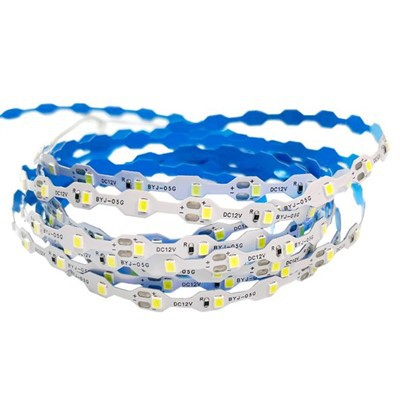
LED Emitters
Surface mounted diodes (SMD) refers to the LED chips that are soldered onto a circuit board in sequential order. SMD LEDs are given a four-digit number, such as 5050. This means that this particular SMD LED chip measures 5.0mm x 5.0mm. By relying on strips of different lights, LED strips offer greater flexibility than alternative lamps. Each individual LED chip effects the overall light colour and quality emitted by the strip. The brightness of an LED strip is usually described in lumens per metre and is determined by factors such as LED emitter output and efficiency, LED density and the power draw per metre of strip.
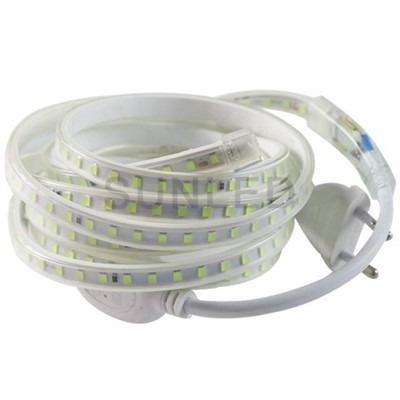
Circuit Board
The LED chips and other components are embedded into a circuit board which provides structure for the strip but is also flexible enough to be mounted on curved or uneven surfaces without issue. The circuit board helps to take power from the LED power supply and distribute it throughout the strip. As LED strips are long and technical products, it's important that every single section is serviced by the power supply equally, and that your connections are complete without causing a short circuit or cutting off the strip in the wrong place.
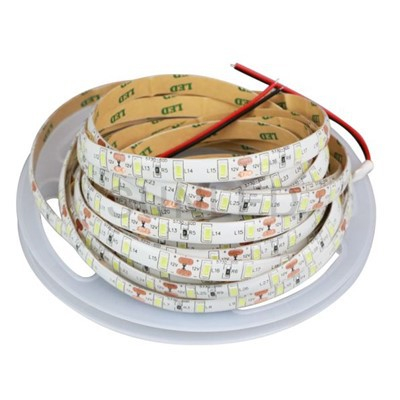
Cut Points and Connectors
It's all well and good having a high-quality LED strip with advanced features, but your design requirements may determine a strip needs to be a specific length which isn't the one or five metres usually provided. This is where cut points and connectors come in. Cut points are the parts of the circuit board that you can safely cut through to create a custom length of LED strip. Connection points like this are the only places to cut when you're trimming your LED strip to size, as you won't be breaking the circuit and your LEDs will continue to work.
Benefits of LED Flexible Strip Light
Energy-Efficient
All kinds of LED lights are much more energy-efficient than traditional incandescent bulbs, making them a great way to reduce your carbon footprint and save money. Depending on the types of LEDs you end up choosing, your home could become 60-70% more energy-efficient, slashing your electricity bills and helping you to make a positive difference to the environment.
Long-Lasting
Typically, LED lights will last for an average of 50,000 hours, meaning you could have the same installation for a decade or more without having to change a single bulb. While LEDs do cost more than many other traditional lighting solutions, in the long run, they require much less maintenance, making them more cost-effective over time.
Easy To Install
LED strip lights are incredibly easy to install, making them the ideal choice for homeowners looking to make low-effort renovations to their space. Most strips are equipped with self-adhesive backing, which means they can be effortlessly stuck onto almost any surface without any need for special tools. What’s more, strips with Plug & Play technology can all be controlled from a central remote, helping you to streamline your entire display with just a few clicks.
Versatile
Plug in LED strip lights are some of the most versatile lighting solutions on the market. They’re highly customisable and can be quickly cut to size with scissors or attached together with connectors, making them suitable for all kinds of installations, big and small. Classic LED strips and neon flex varieties can fit into awkward spaces thanks to their flexible design, while other models are kitted out with waterproof coatings for bathroom or outdoor use.
Less Likely to Overheat
LED bulbs are very efficient in the way they produce light, which means they’re less likely to produce heat when compared with incandescent bulbs. Therefore, not only are they one of the safest lighting solutions to use around children and pets but are also less likely to cause fires or damage to fixtures and wires in all kinds of displays.
Color Options
Not only is the light that comes out of an LED light strip more vibrant, but it also comes in a shocking number of colors. Each color is clear and easy to see, and there is every imaginable color you might need. Take a look at that link to see some of the many colors and notice how sharp the colors are.
Environmental Friendliness
You don’t have to change burnt-out bulbs with LED strip lights. They generate no waste except at the end of years of continuous use when you have to replace them. Compare this to previous types of lighting, and you are putting way less in the landfill. Their long lifespan makes this ability to reuse and reduce trash a great choice for going green.
Programmable and Custom
Some types of LED strip lights are able to be programmed. This enables you to set up moving, flashing, or alternating lighting patterns and colors. This gives you a lot more freedom of choice when deciding on what kind of lighting you want around your house, property, or campsite. This is also the trait that makes them great for using with music.
Led Flexible Strip Used As Path Lighting
LED flexible strip lighting is a great choice for those who need to light up their outdoor area! Led strip lights work well as path lights because they can produce various colors and illuminate the ground below them. LED strips also offer a safe alternative to candles because you don’t have to worry about the LED tape light catching anything on fire.
Led Flexible Strip Used As Signage Lighting
LED flexible strips are perfect for use as signage lighting because they are extremely bright and offer a wide range of colors. In addition, LED strip lights are very affordable and can be installed quickly and easily. If you’re looking for a cost-effective way to light up your signage, then LED flexible strips are the perfect option!
Led Flexible Strip Used As Accent Lighting
LED flexible strip is perfect for accent lighting, as it can be installed in a variety of ways to create an effect that will enhance the look of any space. For example, LED tape light can be wrapped around a column to create a soft ambient glow, or it can be used to highlight architectural details or artwork.
Led Flexible Strip Used As Task Lighting
LED strip lights are perfect for use as task lighting. You can place them under your desk to provide light while you’re working, or use them to light up a specific area in your home. LED strips are also a great way to add some extra light to a room without having to install additional fixtures. You can stick led tapelights on the baseboard or you can use corner braces to install led light under cabinets and shelves.
Led Flexible Strip Used As Recreational Lighting
LED flexible strips are perfect for creating a fun and festive atmosphere for any special occasion. You can use LED tapelights to light up your Christmas tree, to set the mood for a party or to add some extra sparkle to your New Year’s celebration. LED flexible strips are also ideal for use as outdoor lighting. You can install them under your deck or patio to create a warm and inviting space for gatherings with friends and family.
Led Flexible Strip Used As Under-Cabinet Lighting
LED flexible strip lights are perfect for use as under-cabinet lighting because they are extremely bright and versatile. Not only do they come in a wide variety of colors, but you can also cut them to the desired length to fit your specific needs. By installing LED tape lights under your cabinets, you can achieve an elegant and professional look in your kitchen while also providing task lighting for cooking and food preparation.
Led Flexible Strip Used As Back Lighting
LED flexible strip is perfect for back lighting because it offers a wide variety of colors and brightness levels. You can use LED tapelights as a backlight for your TV, computer monitor or any other type of electronic device. LED tapes also make for an excellent backlight when you’re photographing food. In addition, LED flexible strip sources can be used to highlight certain areas in your home or office.
Manufacturing Process of LED Flexible Strip Light
Step 1: SMD LED Production
The first step in the manufacturing process is the production of SMD LEDs. These are small, surface-mounted devices that emit light when voltage is applied to them. The SMD LEDs are then mounted onto an aluminum substrate and encased in a transparent epoxy resin to protect them from damage during transportation.
Step 2: Solder Paste Printing
The next step in the manufacturing process involves printing solder paste onto both sides of the PCB boards using a computer-controlled printer (screen printer). The solder paste helps to provide electrical connections between components on the PCBs and wires.
Step 3: Component Placement (SMT)
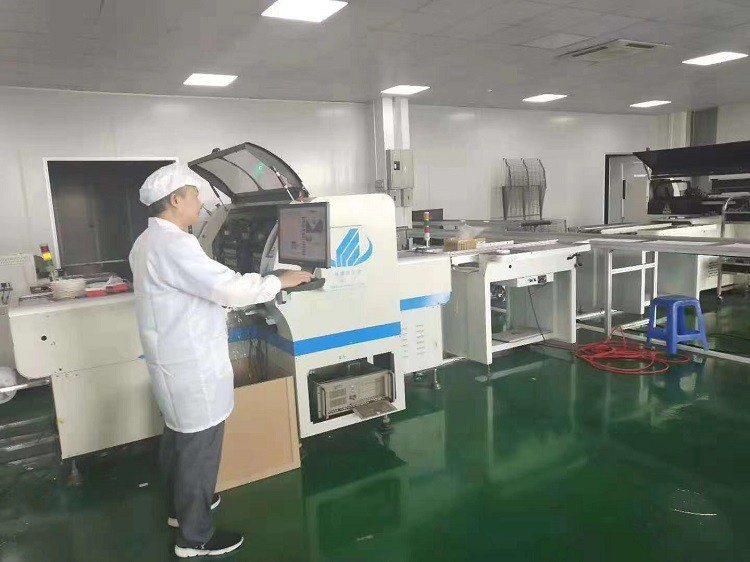
The SMDs are then placed on the respective pads on each side of the PCBs using automated machines known as pick-and-place machines. These machines do not require human assistance and can place hundreds of components per minute, giving manufacturers an efficient way of producing large numbers of LED strip lights without sacrificing quality or precision.
Step 4: Reflow Soldering
The next step involves reflow soldering all of the components together by applying heat until they melt into each other and form solid connections between PCB and LED.
Step 5: Soldering
The LEDs in an LED strip are soldered onto a PCB (Printed Circuit Board). This is done with special machines that heat up the surface of the board and then apply solder to it.
Step 6: Aging and Waterproofing
This step is important as it makes sure that your LED strip lights will last for a long time. It also ensures that they are waterproof, however, not all strips go through this step so make sure yours do!
Step 7: Tape Pasting and Packaging
Your LED strip lights will be packaged in boxes or wrapped in plastic depending on how they are being shipped out to customers or retailers.
How to Install LED Flexible Strip Light?
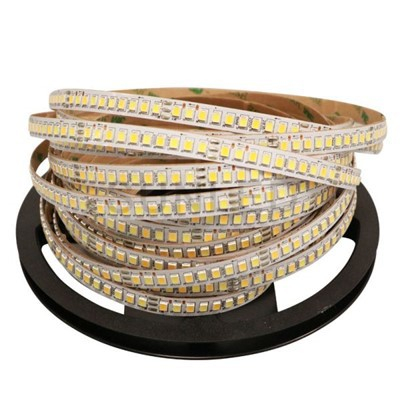
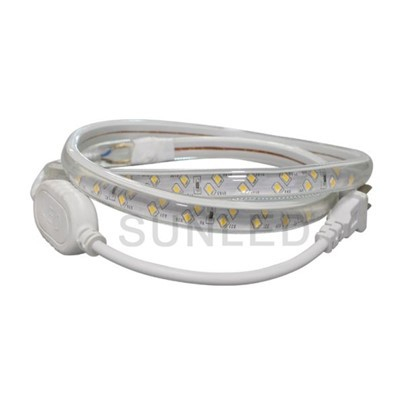
Step 1: Choose the Surface
First, choose the location in which you will be installing your light strips. For subtle kitchen brilliance, try adding them under countertops, surrounding an island, or above cabinets. If you’d like to amp up bedroom ambience, install your strip lights behind the bedframe or under your bed. When choosing, consider if an outlet is nearby to power your strip lights. If you’ve decided to install your strip lights on a wall or ceiling, you may want to consider using wireless LED strip lights for a cleaner look.
Step 2: Measure the Surface
Once you’ve chosen the area where you’d like to install your LED strip lights, measure it. Your lights are adjustable, so you can custom fit them to different lengths. Write down your measurements so you can refer to them when you complete the next step.
Step 3: Adjust Your Strip Lights
If the length of your installation area is longer than the light strip, you may need to purchase a strip extension. Connect the extensions by removing the plastic covers from each end and plugging one strip into the other. Please do not bend or connect the strip lights at a 90-degree angle, as you might around the corners of a television or bookcase. Instead, make a small loop with the light strip to change direction, or use a flexible connector. If the surface area is shorter than your strip light, trim the strip along the marked lines to an appropriate length. Cut only along the marked areas to avoid permanently damaging the light strip.
Step 4: Clean and Dry the Surface
Now that you’ve fit your light strips, it’s time to prepare the surface. Wipe the area down with a wet cloth to remove any oils or debris from the surface. It’s important to note that the strip light adhesive is very strong and could damage surfaces or walls if removed. If you’d like to move the strip light after installation or reinstall it in a different spot, we recommend applying a double-sided adhesive instead.
Step 5: Place Your Strip Lights
Once the surface is ready, installation is simple! First, peel the backing from the strip light adhesive. Then, press and hold it to the surface for at least 10 seconds, or until the light firmly adheres to its surface. Then, repeat the press-and-hold process every six inches across the entire length.
What Factors to Consider When Choosing LED Flexible Strip Light?
Lumens and Brightness
The brightness of LED strips is measured in lumens. It plays a crucial role in lighting up a space. Kitchens and workstations need brighter light because it is more lumens. However, dimmer lights are better for creating a cozy or romantic atmosphere. The number of LEDs on the strip can also affect brightness, so it’s something to think about. We need to balance the brightness to make sure the space looks good and works well. It will be more appealing and functional if it’s too bright and dark.
IP Rating (Water and Dust Resistance)
The IP rating is important, especially for indoor or humid LED strips. If the LED strip has an IP rating of IP65 or higher, it can handle water and dust. This makes it durable and able to perform well in harsh conditions. LED strips with a higher IP rating would be suitable for a pool, patio, or kitchen. Choosing the proper IP rating protects your investment and keeps the lighting reliable.
CRI (Color Rendering Index)
The Color Rendering Index (CRI) measures how colors look under a light compared to sunlight. A higher CRI value(close to 100) means colors look more real. This is important in art studios, stores, and photography studios. Choosing LED strips with a high CRI makes colors look vibrant and realistic. This improves the space’s visual appeal and functionality.
Calculating Power Needs
To make LED strip lights work well and last long, it’s important to know their power needs. To understand the strip, see the wattage per foot or meter. The manufacturer often specifies this. To find the total wattage requirement, multiply this value by the length of the strip you will use. It’s a good idea to add 20% extra in case of unexpected delays. This helps keep things running smoothly. This exercise helps your LEDs work correctly and prevents accidents from mismatched power.
Choosing the Proper Power Supply
You can pick the proper power supply once you know how much power you need. Ensure the power supply matches the voltage and current of your LED strip. Ensure the power supply consistently provides 12 volts if your strip needs it. The current rating should align with the LED strip’s demands and be expressed in amperes. Pick a power supply with a slightly higher current rating to avoid overloading. Some LED strips have recommended power supply units, easing this selection process. To have a smooth installation, it’s important to match the power supply with the LED strip.
Our Factory
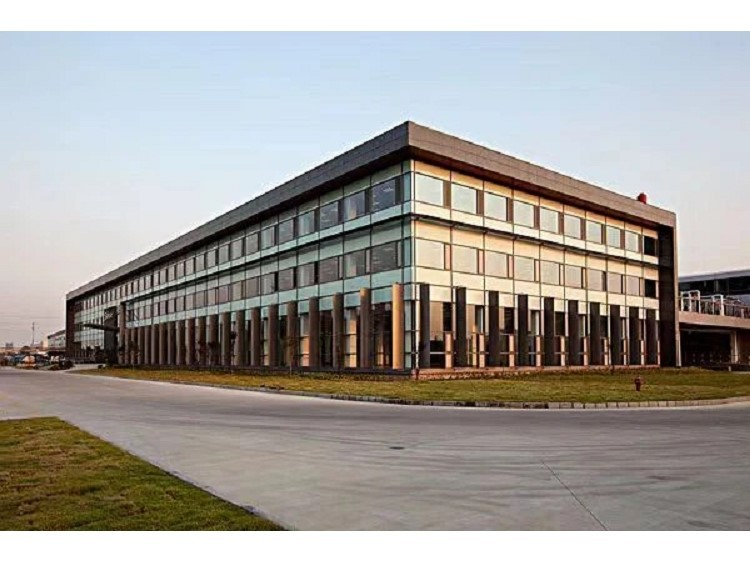
We have an independent factory and are able to provide competitive prices. Currently, there are 2 Sanyo high-speed placement machines, 2 Samsung precision placement machines and a full set of LED product testing equipment. The daily output reaches 20,000, and the order can be delivered in time.

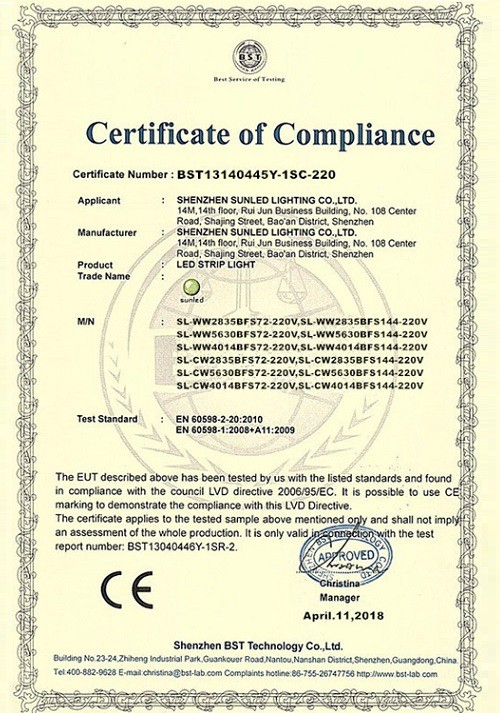
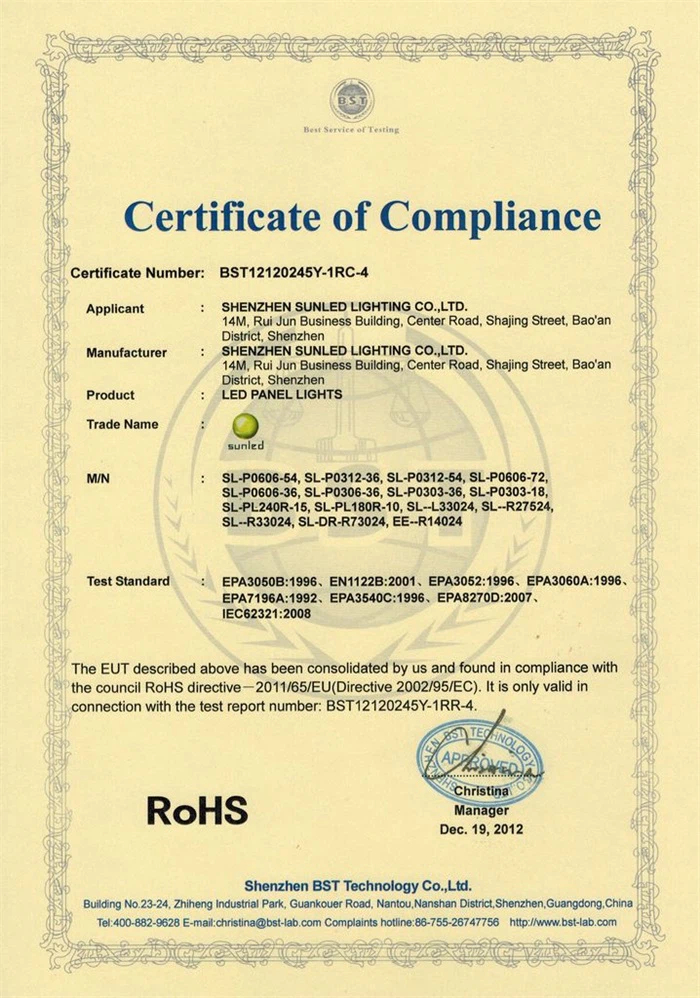
Our Certificates
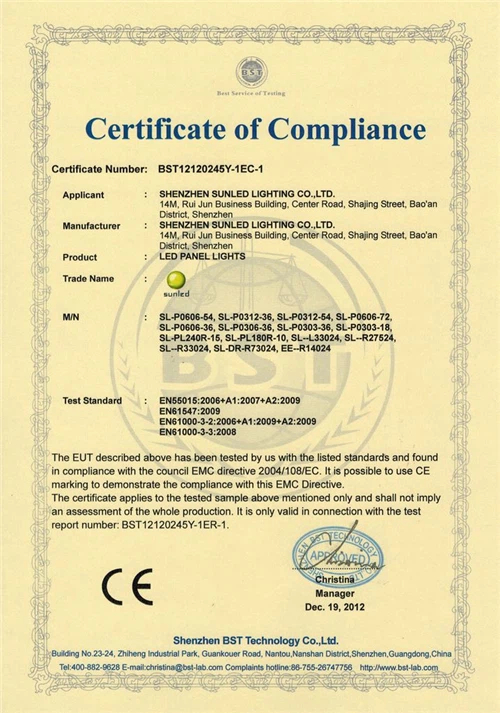
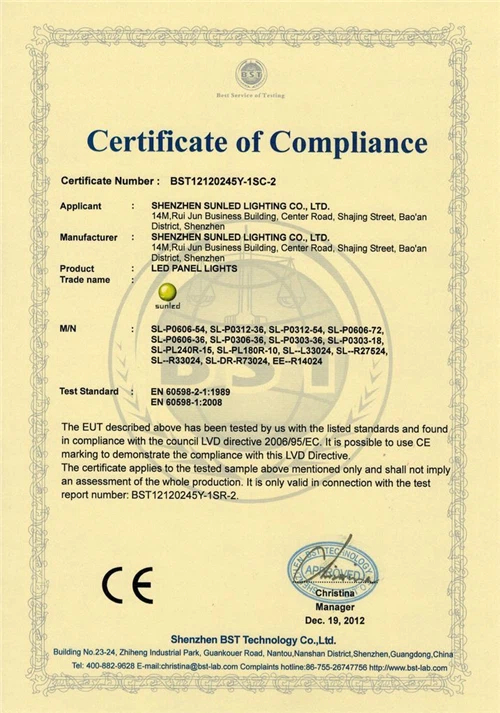
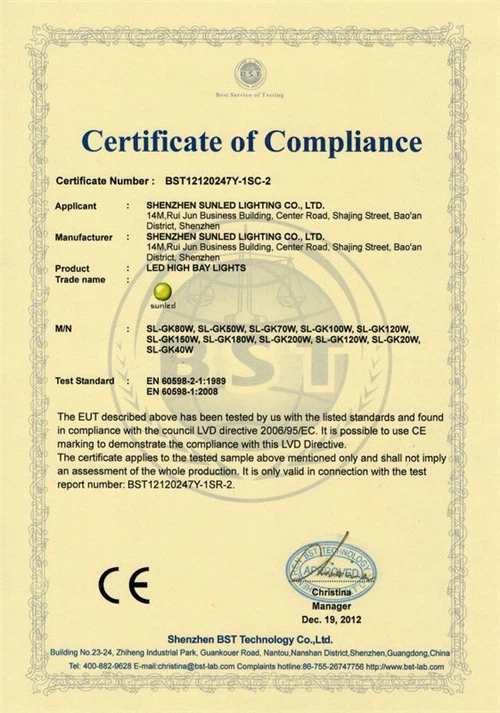
Our products are produced under a strict quality control system, comply with industry standards and have passed CE certification, and the defective rate will be less than 0.2%. The products are exported to more than 80 countries around the world and receive favorable feedback from customers.
Ultimate FAQ Guide to LED Flexible Strip Light
As one of the leading led flexible strip light manufacturers and suppliers in China, we warmly welcome you to wholesale cheap led flexible lstrip light in stock here from our factory. All customized products are with high quality and low price. Contact us for more details.
12V LED strip, RGBW LED Strip, 3mm 4mm 2835 ultra thin light box light bar