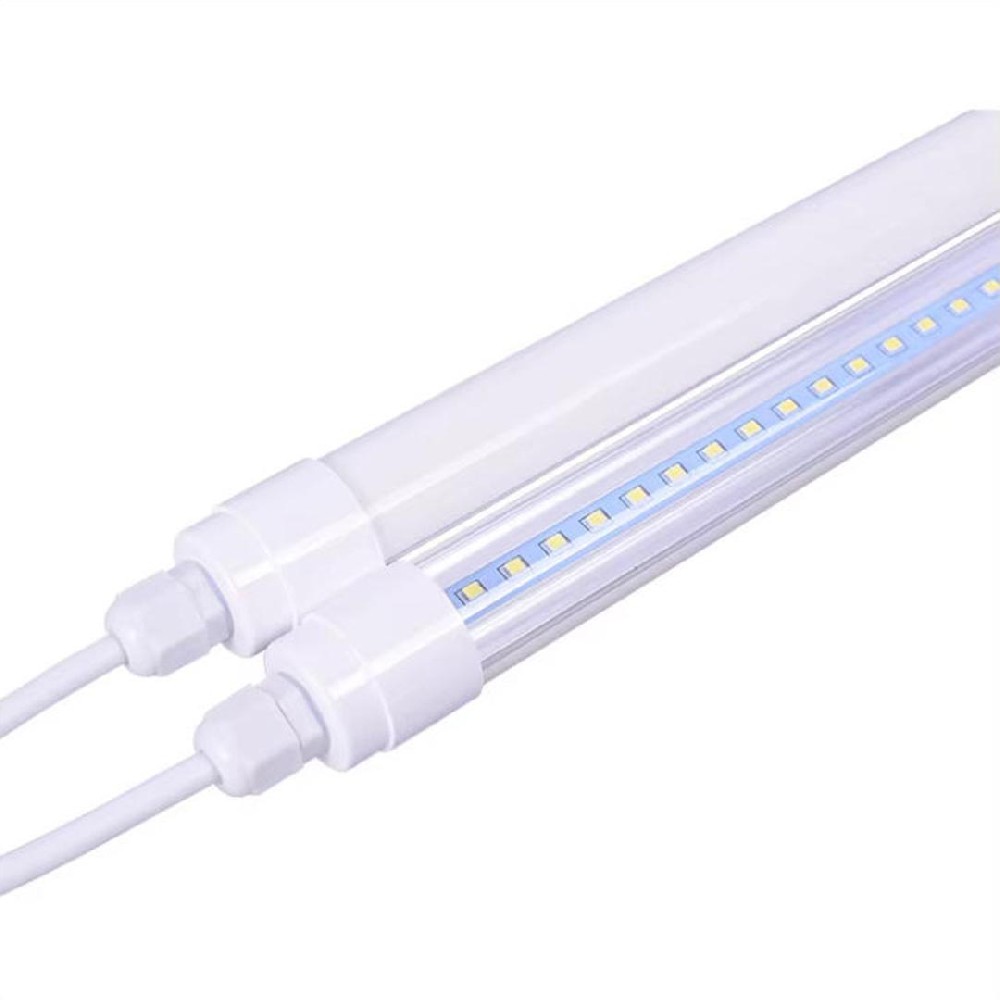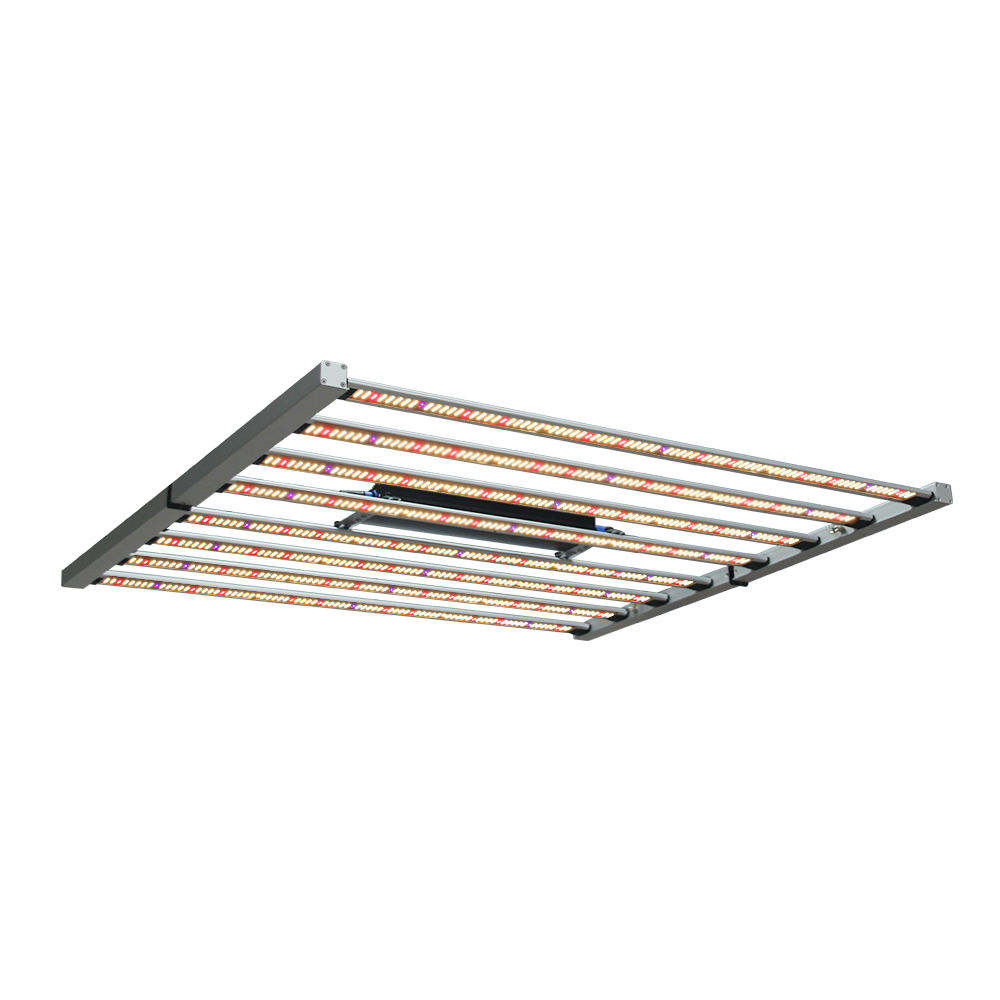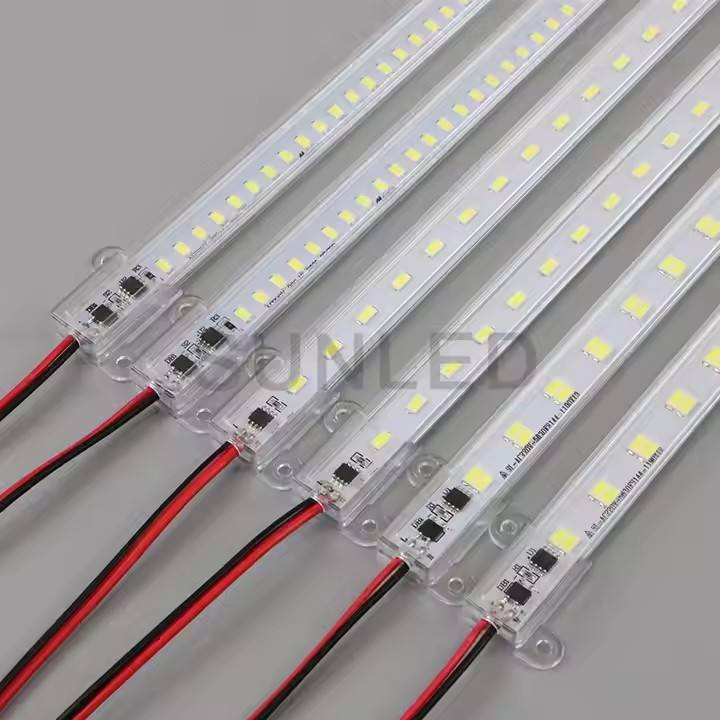

Plant lights, also known as grow lights, are artificial light sources designed to stimulate plant growth by emitting electromagnetic spectrum suitable for photosynthesis.
The main functions of plant lights include:
1. Promote plant growth. Plant lights provide necessary light for plants to help them perform photosynthesis, thereby growing and developing.
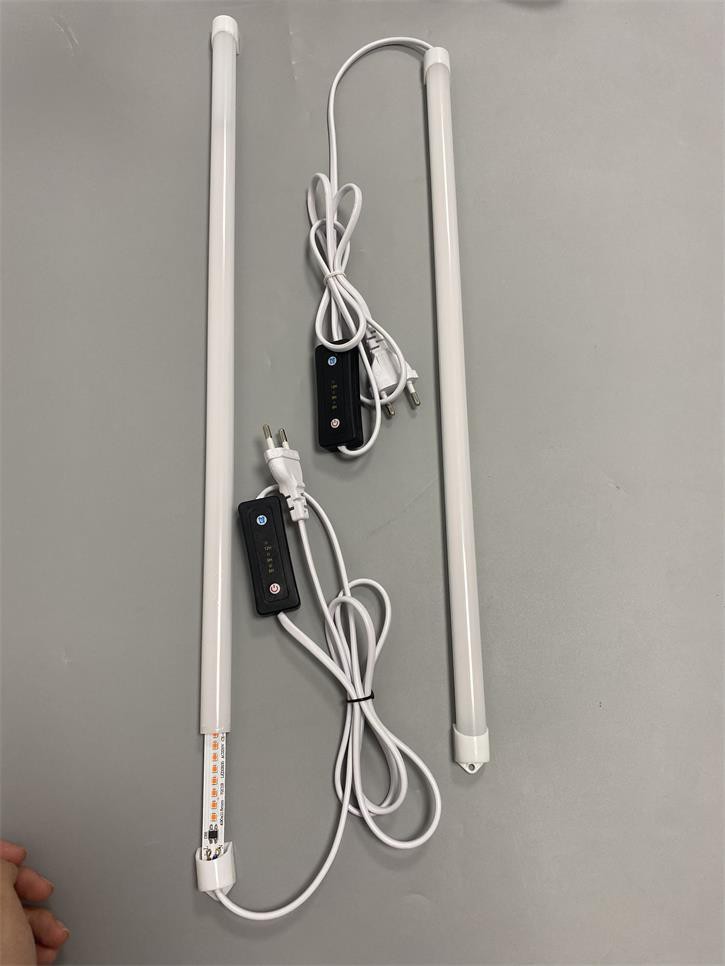
2. Extend the flowering period of plants. Plant lights can adjust the photoperiod and affect the control of flowering period, allowing plants to bloom normally under unnatural conditions.
3. Shorten the growth cycle. By controlling the photoperiod and light quality, plant lights can help accelerate the growth process of plants and shorten the time from sowing to harvesting.
4. Improve output and quality. Plant lights can concentrate light of specific wavelengths to illuminate crops evenly, which can not only increase the growth rate of crops, but also improve the quality and yield of crops.
5. Environmental protection and energy saving. Modern plant lights such as LED plant lights have the advantages of low heat load and low system heat generation, which can improve production efficiency and reduce energy consumption.
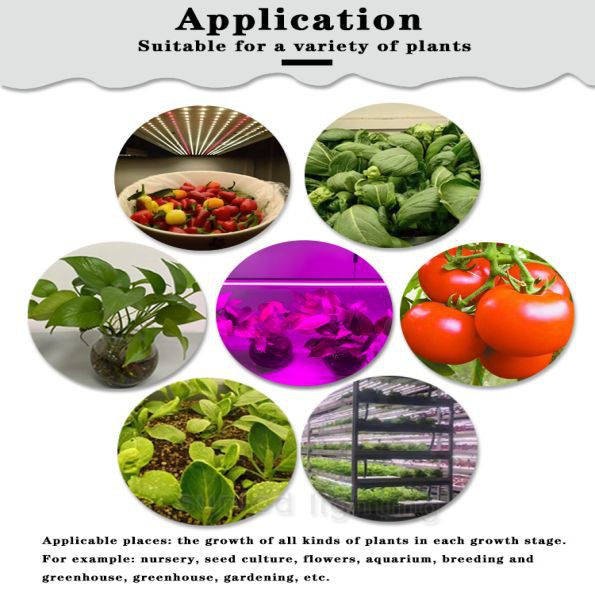
6. Plant lights are widely used in agricultural planting, greenhouses, soilless cultivation, indoor planting and other occasions, especially in areas or seasons with insufficient natural light, such as winter. By precisely controlling light quality and spectrum, plant lights not only provide necessary light for plants, but also regulate the growth rhythm and flowering time of plants, promoting the modernization and efficiency of agricultural production.